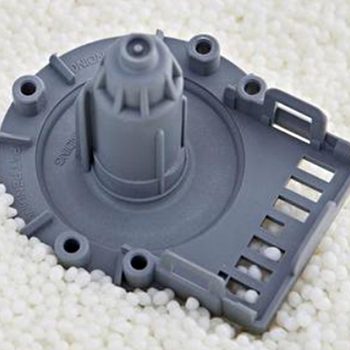
 Injection molding
Plastic housings and structural parts
Molded in one shot with consistent dimensions and low unit cost
Manufacturing
Rapid tooling and low-volume injection molding for functional testing, pilot runs and pre-launch batches, including insert molding and overmolding.
Your drawings are kept strictly confidential
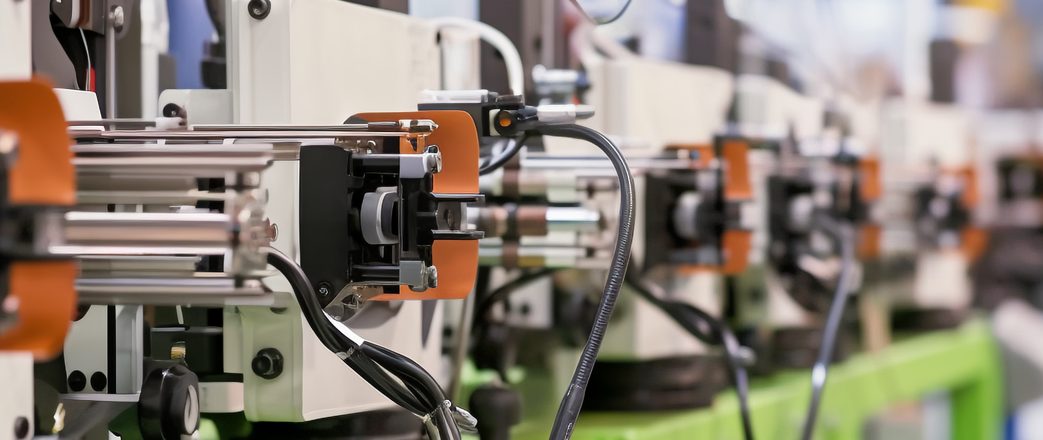
We match tooling and process to your part and quantity, from a handful of samples to small production runs.
Injection molding
Molded in one shot with consistent dimensions and low unit cost
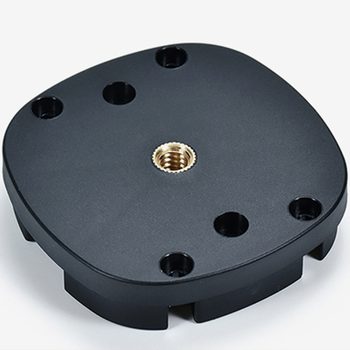
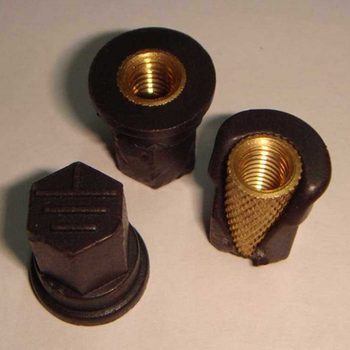 Insert molding
Brass nuts and metal parts go into the mold, so no post-assembly is needed
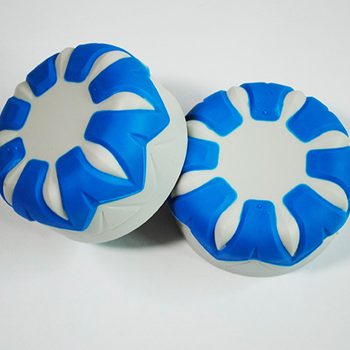 Overmolding
A TPU / TPE layer over a rigid part for grip, damping or a second color
 Pilot runs
Small batches after first-article approval to validate assembly and market response
Invest in a mold once and every part after that is consistent in size and finish.
Parts from the same mold match in dimensions and appearance, ideal for repeated assembly and testing.
Once tooling is spread across the run, unit price drops with quantity, beating 3D printing and CNC at volume.
The same resin grades as mass production, so test results reflect the final product.
Snap fits, ribs and bosses are molded in one go, and inserts or overmolding cut assembly steps.
A first batch after design freeze for certification, channel samples and market testing.
Parts that need production materials to check strength, heat resistance and fit.
Handles, buttons and housings with threaded holes that need inserts or overmolding.
Common resin grades. Contact our engineers for specific brands, colors or flame ratings.
Injection molding forces molten plastic into a mold cavity, where it cools into a part. It is the most common way to mass-produce plastic parts. Prototype molding usually uses aluminum or soft steel tools, which cost less and are faster to make than production molds, so you can build a batch before committing to production tooling.
For a few cosmetic or fit-check parts, 3D printing or CNC is usually faster and cheaper. Once you need dozens of parts or more, production materials, or production-grade consistency, prototype molding is the better fit. Before tooling we run a manufacturability review covering draft angles, wall thickness and undercuts to reduce mold changes.