News
Company updates, industry insights and manufacturing know-how
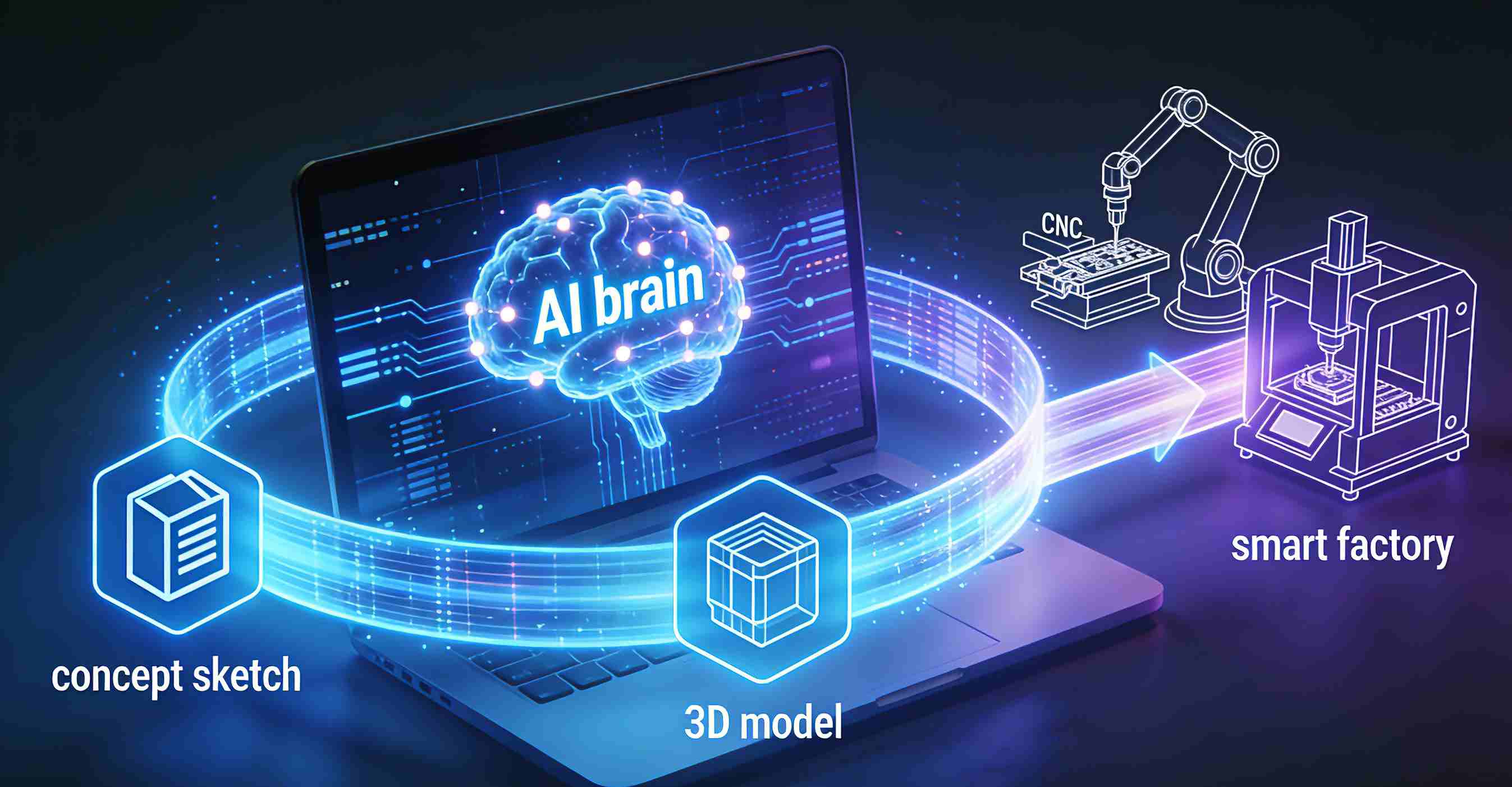 How to Convert AI-Generated 3D Models into STEP Files for CNC Machining
Convert an AI mesh to STEP by checking units, geometry, editable features, datums and tolerances, and the engineering still needed before CNC machining.
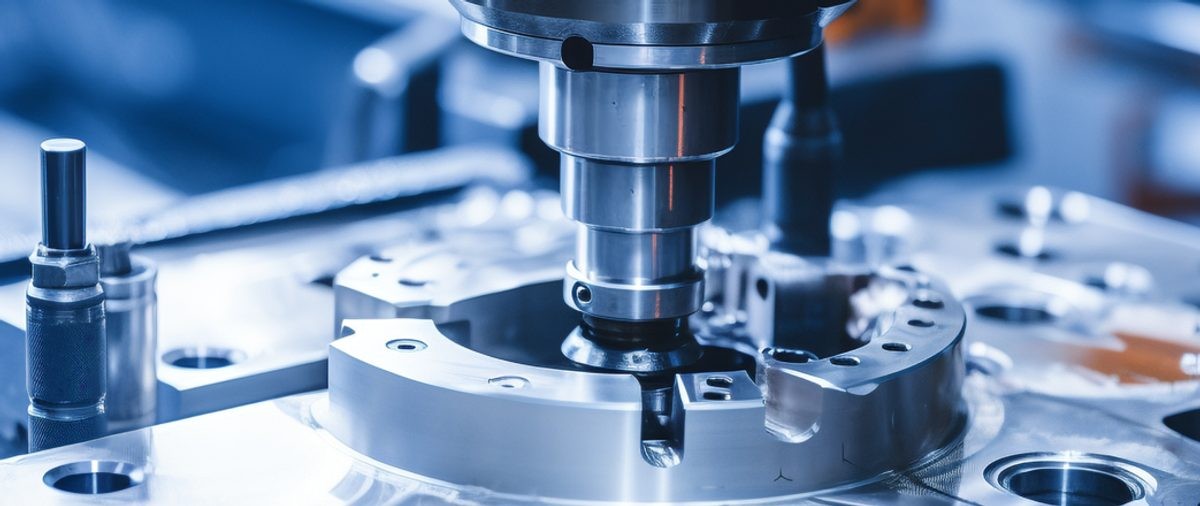 Aluminum vs Stainless Steel for CNC Parts: Strength, Weight, and Cost
Compare aluminum and stainless steel CNC parts by load, mass, environment, geometry, finish, machinability, tolerances and cost for the actual function.
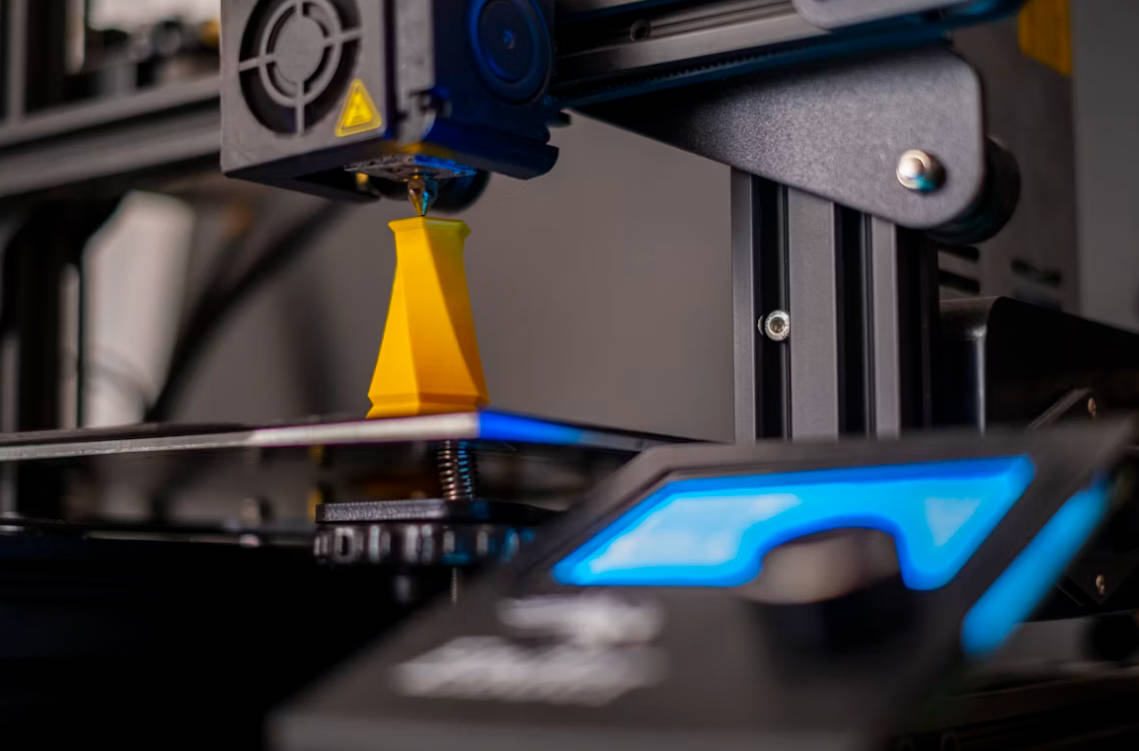 AI 3D Modeling for Product Designers: Complete Workflow Guide
Follow an AI 3D modeling workflow from design intent and reference images through geometry cleanup, CAD review, prototypes, and a manufacturing handoff.
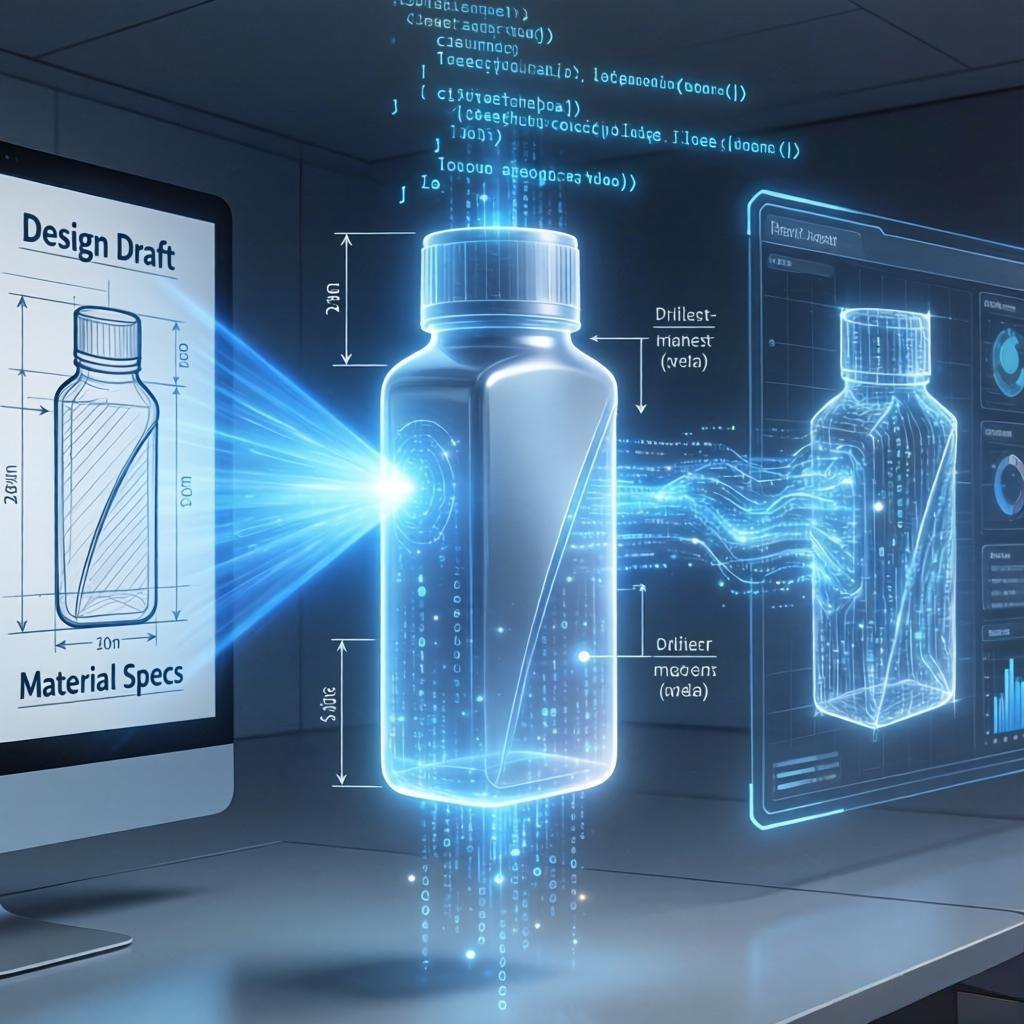 AI Product Development Workflow: From Idea Generation to Manufacturing in 2026
Use AI product development to generate concepts, test requirements, validate CAD, review prototypes, manage decisions, and prepare a supplier handoff.
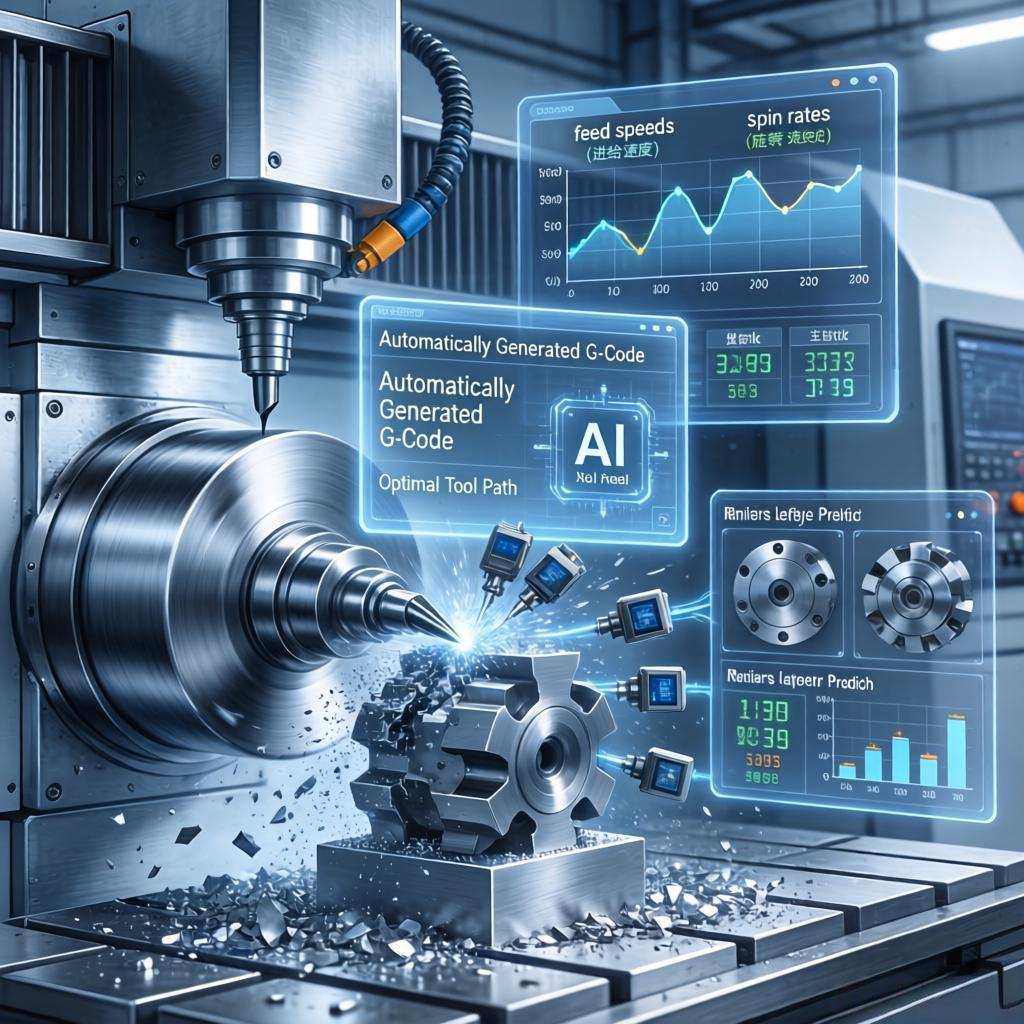 AI-Powered Design for Manufacturing (DFM) Analysis: How Artificial Intelligence Improves Product Design
Use AI-powered DFM analysis to flag risks earlier, prioritize geometry issues, compare revisions, assign expert decisions, and plan process validation.
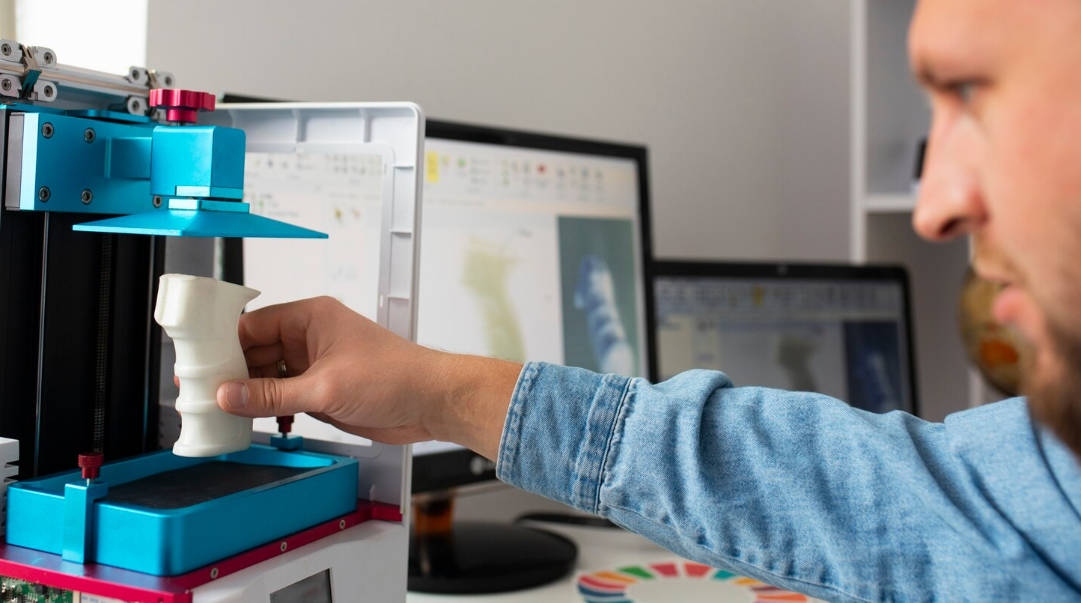 3D Printing vs CNC Machining for Rapid Prototyping: Which One Should You Choose?
Choose 3D printing, CNC machining, or a hybrid route by prototype goals, materials, geometry, quantity, lead time, cost, accuracy, finish, and inspection needs.
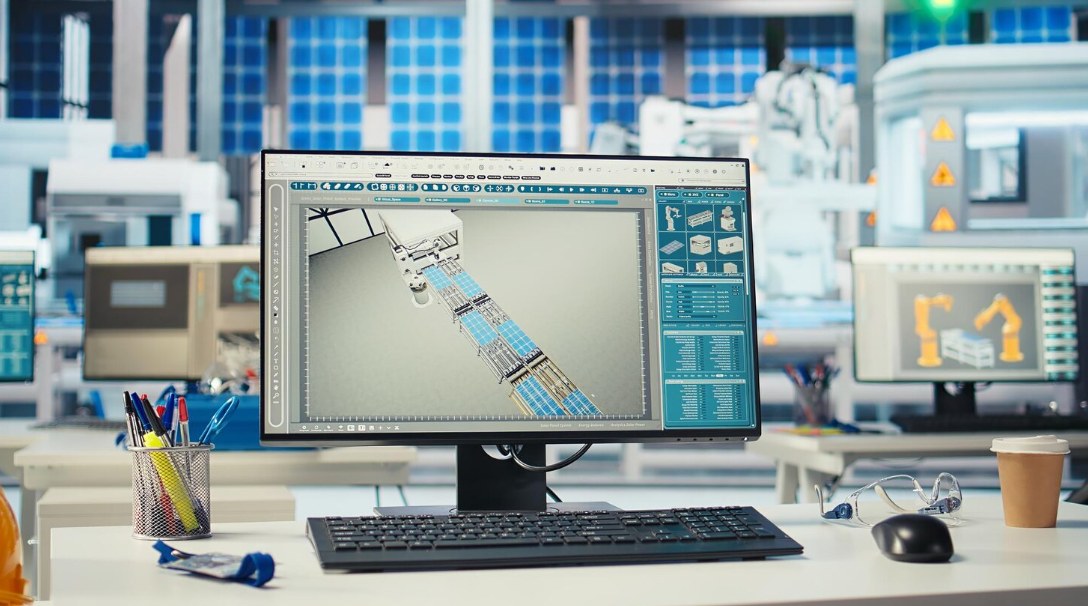 Can an AI CAD Generator Create Models for Manufacturing? What Engineers Need to Know
AI CAD generators may produce meshes, solids or parametric files, but manufacturing release needs validated geometry, drawings, process review and sign-off.
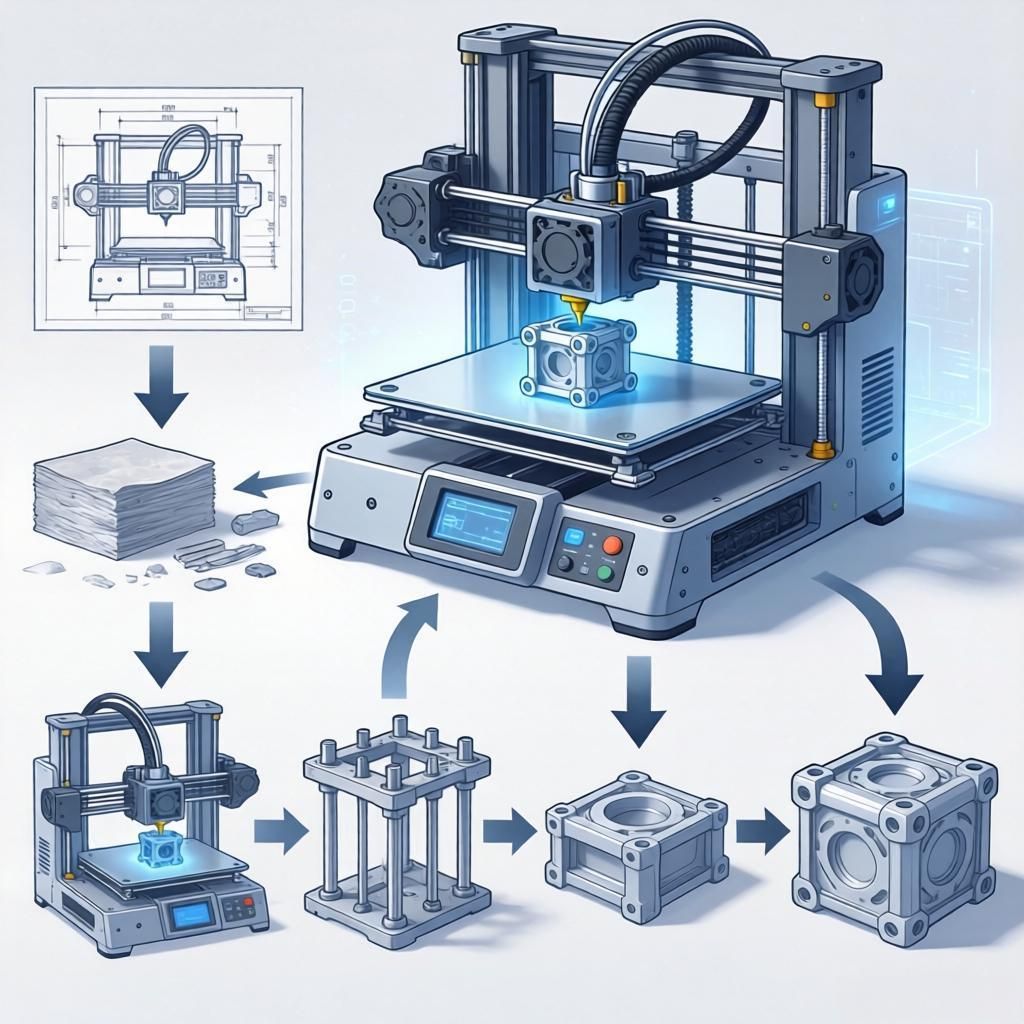 How AI Product Design Reduces Product Development Time From Months to Weeks
AI product design can shorten development by clarifying requirements, comparing concepts and starting reviews earlier while engineers own release.
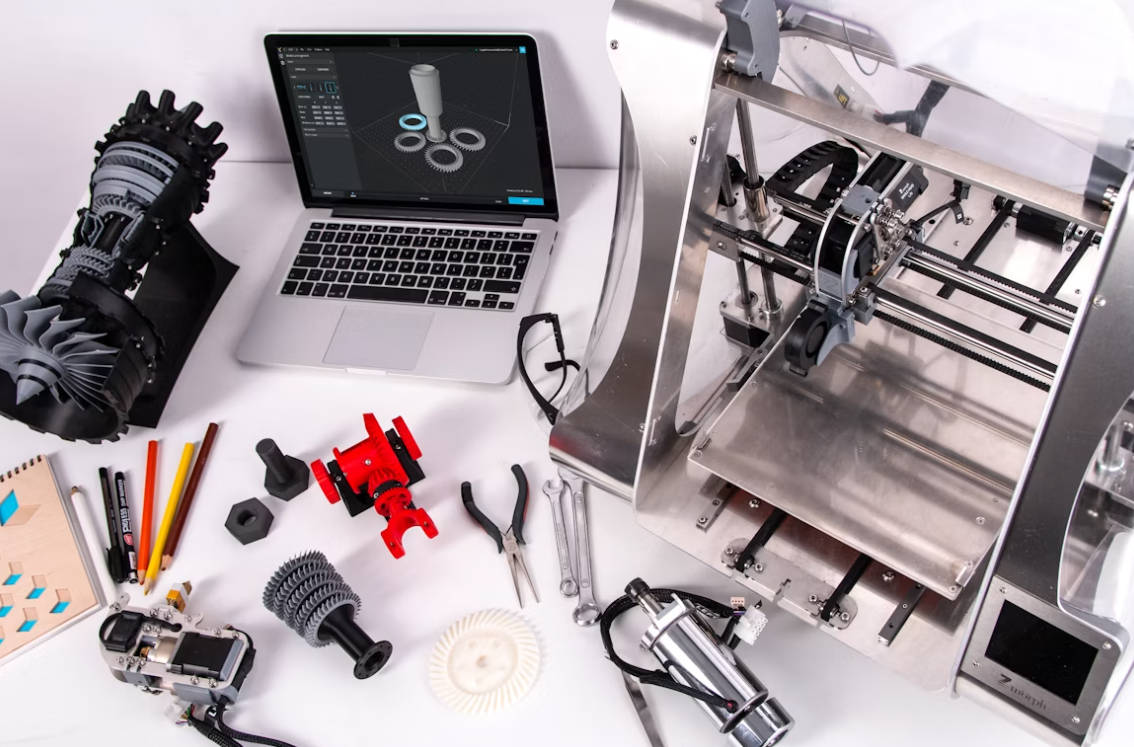 AI 3D Model Generator: How to Convert Images Into Manufacturing-Ready Models
An AI 3D model generator can infer visible form from images, but manufacturing requires scale, hidden geometry, interfaces, materials and process validation.