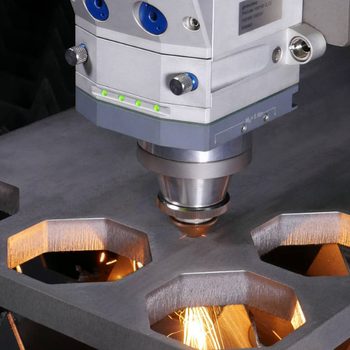
 Laser cutting
Profiles and holes
Fiber laser blanking with clean edges, thin to medium-thick sheet
Manufacturing
Laser cutting, CNC bending, welding and assembly under one roof. Enclosures, brackets and panels, from prototypes to small batches.
Your drawings are kept strictly confidential
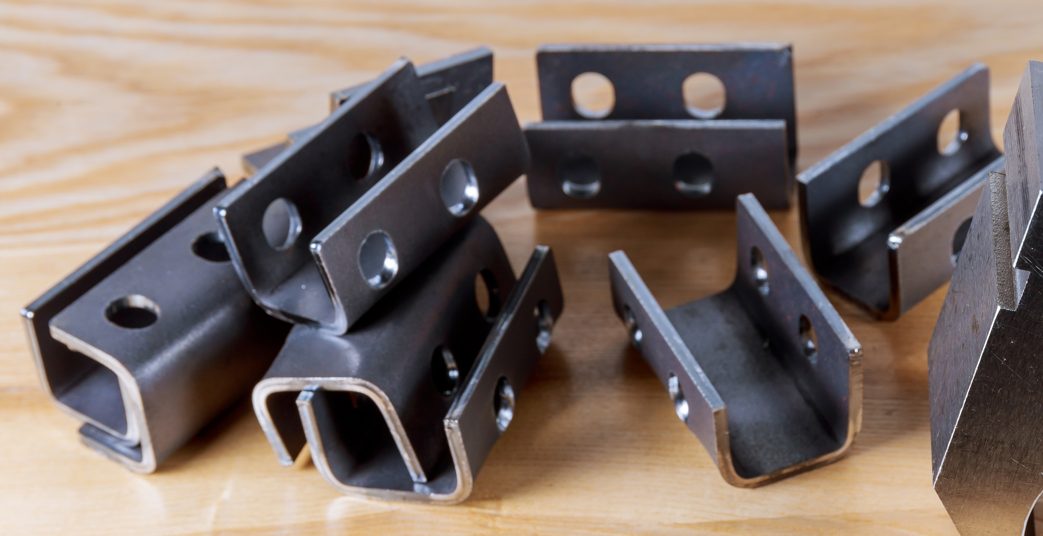
From blank to formed and assembled part, combined to suit your design. One drawing, one complete part.
Laser cutting
Fiber laser blanking with clean edges, thin to medium-thick sheet
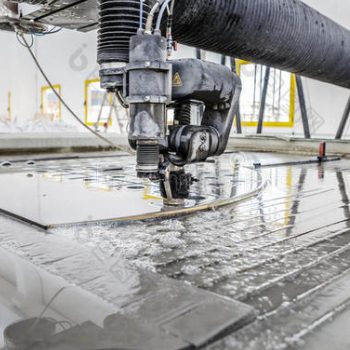 Waterjet cutting
Cold cutting with no heat-affected zone, ideal for distortion-sensitive parts
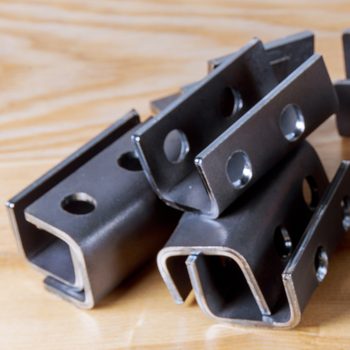 CNC bending
Precise bends from the flat pattern, combined into complex forms
TIG and spot welding, press-in nuts and studs, assembled into complete parts
No tooling needed, short lead times and a good balance of strength and weight.
Parts are cut and bent straight from sheet, so there is no mold cost or wait, and design changes go into the very next batch.
Flanges and ribs add stiffness, so thinner sheet can still give the strength you need.
Bending, welding and hardware insertion combine into enclosures, cabinets and other multi-face parts.
Powder coating, anodizing, plating and silk screening for both cosmetic and structural parts.
Equipment housings, control cabinets and power supply cases built from several panels.
Mounting brackets, connectors and stiffening plates that need strength without extra weight.
Control panels, covers and new product prototypes that can move straight into small batches.
Common metal sheets. Contact our engineers for other materials or thicknesses.
Sheet metal fabrication turns metal sheet (usually under 6mm, though thicker is possible) into parts by cutting, bending, welding and hardware insertion. Wall thickness stays uniform, which suits enclosures, boxes and brackets made of flat faces.
Compared with CNC machining, nothing is cut from a solid block, so material use is high and cost is low, especially for large parts with uniform walls. Compared with injection molding, there is no mold, so prototypes and small batches are more flexible. Following design rules such as bend radius and hole-to-bend distance makes parts easier and cheaper to make.