How On-Demand 3D Printing is Transforming Modern Manufacturing
What Makes On-Demand 3D Printing Different from Traditional Manufacturing?
Traditional manufacturing has long relied on mass production lines, fixed tooling, and big stockpiles to gain cost savings. Yet, this setup frequently causes excess output, storage expenses, and restricted design options. On the other hand, on-demand 3D printing signals a change to nimble production that stresses adaptability and quick response. 3D printing, or additive manufacturing, builds three-dimensional items by layering materials one after another under computer guidance. This method cuts down waste. It lets makers create just what is required at the right time.
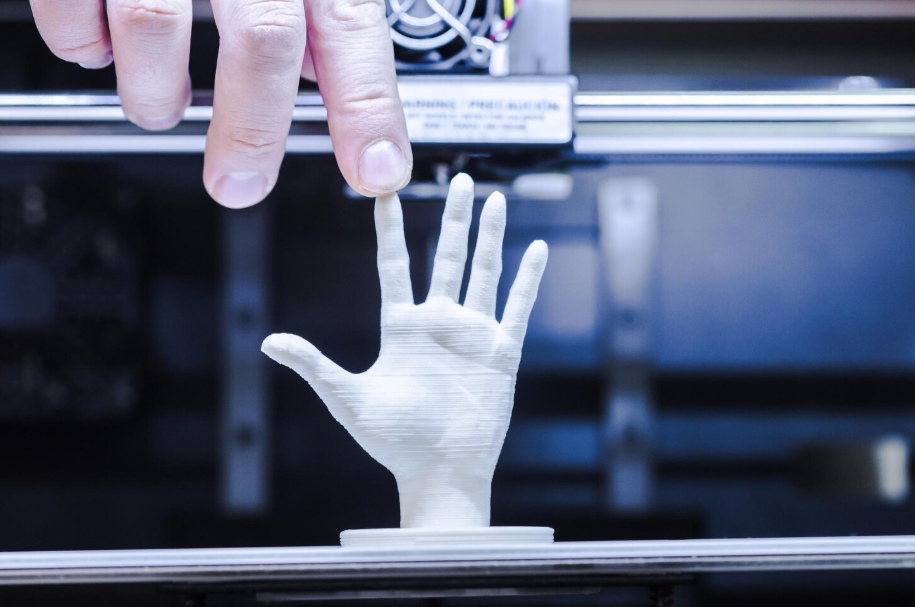
Unlike old ways that demand molds or machining tools, additive manufacturing can easily adjust to design shifts or market changes. 3D printing serves many fields, such as prototyping, product creation, personalization, fast production, and healthcare, too. This built-in range helps firms run slimmer setups. At the same time, it meets specific client demands in an effective manner.
The Shift Toward Decentralized Production Models
The growth of 3D printing tech has sped up the turn to spread-out manufacturing setups. Businesses no longer depend only on central plants. Instead, they can make parts nearby or right on location. With 3D printing tech, product prototypes come out fast for checking designs, testing functions, and studying markets. Such nearby making lowers transport costs. It also cuts delivery waits.
Plus, spread-out production boosts supply chain toughness. It does this by lessening reliance on worldwide shipping paths. Makers can share digital files instead of actual items. This allows quick copying in any spot globally. There are no shipping lags or border issues.
Small-Batch Production in the Age of 3D Printing
Why is 3D Printing Ideal for Small-Batch Manufacturing?
Small-batch making often deals with steep setup fees in old processes. These come from tooling costs and minimum order amounts. Additive manufacturing removes these hurdles completely. It supports highly tailored items. Makers can produce special goods to fit the client's needs exactly. This works with surface finishing without molds. As a result, it greatly lowers personalization expenses. Such features suit narrow markets well. There, demand might not support full big runs.
Moreover, wait times drop sharply—from weeks down to days. This happens because no mold building or tricky assembly lines are needed. From idea to prototype to rollout, additive manufacturing aids companies of every scale. They can make more output. They also reach markets more quickly. The skill to create small amounts cheaply helps new startups and long-time makers alike. Both can innovate swiftly.
Enhancing Product Design Flexibility Through Additive Manufacturing
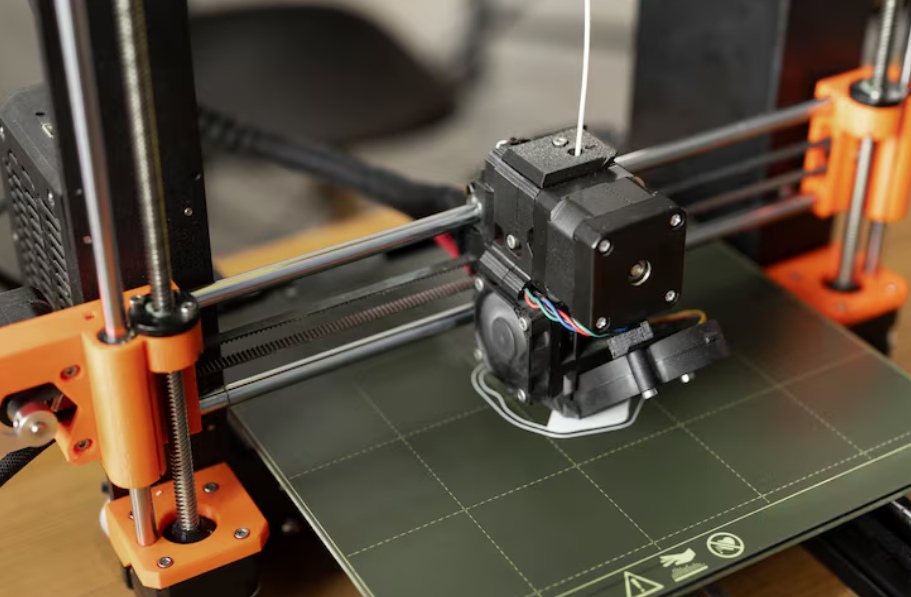
Additive manufacturing grants designers remarkable freedom in forming items. It avoids limits from cutting-based methods. Tricky inner shapes or light grid designs can form with ease. It can build various materials like plastic, metal, ceramics, and more into detailed forms from digital plans. Quick repeat cycles let groups improve designs. They base changes on real tests or client feedback quickly.
Digital design files make tweaks smooth. Just change the CAD model and print the piece again. This repeat ability sparks fresh ideas. It also shortens the time to market for fresh breakthroughs.
Streamlining Supply Chains with Additive Manufacturing
How Does On-Demand 3D Printing Simplify Global Supply Chains?
Old supply chains lean hard on far-off suppliers and wide logistics webs. These are open to interruptions. On-demand 3D printing tech eases these dangers. It does so by allowing local making from digital plans. Parts can form right on site. This cuts the need for far-off shipping. Firms skip huge storage spaces now. Digital stocks take over physical ones. So, parts print only as needed.
This change boosts workflow speed. It also lessens stoppages from supply shortages or transport holds. Further, it backs just-in-time planning. Those cut waste over the whole production flow.
The Environmental Benefits of Localized Production
Local additive manufacturing brings plain green gains. Making parts near where they get used drops carbon output from hauling a lot. Also, additive ways make much less leftover bits than old cutting techniques like milling or slicing. Momaking's industrial-grade 3D printing machines not only offer great high precision, a very large build size, and broad material options but also show steady and dependable work. These gains add right to green business ways. They focus on resource saving and waste cutting.
Integrating 3D Printing into Existing Production Systems
What Challenges Do Companies Face When Adopting 3D Printing Technology?
Even with its perks, adding additive manufacturing to set workflows brings a few hurdles. Upfront costs for gear buying and staff training can add up a lot. Also, keeping a steady quality between printed pieces and machine-made ones needs precise tuning. Making sure 3D-printed goods hit safety and quality marks is key.
One more issue is linking fresh additive setups with current enterprise resource planning (ERP) systems. This ensures smooth order following and stock handling. Smart planning guarantees easy teamwork between old and new tech in mixed production spots.
Building a Hybrid Production Model for Greater Flexibility
An even mix of old processes with additive skills brings top output across different batch sizes. Makers can use standard ways for big runs. Meanwhile, they save 3D printing tech for low-amount or detailed parts that need tailoring. Pairing CNC machining and 3D printing helps build parts with complex inner builds. This mixed plan keeps steady quality checks. It holds cost savings through process tweaks.
Momaking’s Contribution to On-Demand Manufacturing Innovation
Momaking’s Advanced 3D Printing Solutions
At Momaking, we deliver full smart production aids built for exactness-focused fields. These seek bendability and growth in their work. Upload drawings, get a quote in 3 seconds, supported by our network of over 400+ industrial-grade 3D printers. Our site gives the quickest 24-hour delivery using forward steps like SLA, SLS, MJF, and SLM. This ensures top speed-to-market skills.
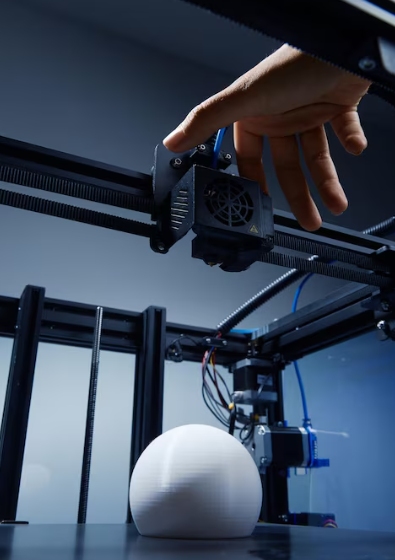
Our industrial-grade printers are made for trust in tough settings. The industrial-grade 3D Printing Machine stands out with a big printing size, high precision, and quick pace. It backs many materials—from engineering resins to metals like stainless steel or titanium. We aid varied areas including aerospace, automotive manufacturing, consumer electronics, and medical devices.
How Momaking Empowers Businesses Through Additive Manufacturing Tools
We give power to firms of all scales by offering direct access to pro-level additive gear. No need for outside help ties. Our AI-driven quote system brings clear price truth in moments. It keeps tight secret rules during file sends. By giving energy-saving machines that handle reusable material use, we push green ways along with work boosts.
Our aim is straightforward: help clients create quicker through bendable small-batch making. We ensure steady quality results at each step—from prototype checks to final part building.
Future Outlook: The Growing Influence of On-Demand 3D Printing in Industry Applications
Emerging Trends Shaping the Next Phase of Additive Manufacturing Adoption
The coming ten years will see a fast rise in auto systems tied to artificial intelligence. These will tune print settings on their own for better output speeds. Material knowledge steps forward will widen options further. They use blends and nature-based polymers to boost strength traits. At the same time, they lessen green harm. The future of 3D printing is being shaped by groundbreaking innovations in materials science, which are expanding the boundaries of what can be created.
Group setups linking designers, engineers, and builders worldwide will reshape how goods grow from idea stages to end forms. This brings a time where digital making matches green breakthroughs everywhere.
FAQ
Q: What Industries Benefit Most from On-Demand 3D Printing?
A: On-demand 3D printing benefits industries like healthcare automotive aerospace consumer goods and education by enabling rapid prototyping small-batch runs and localized part replacement.
Q: How Does 3D Printing Reduce Supply Chain Risks?
A: By producing components locally from digital files companies minimize dependency on global suppliers reduce shipping delays and maintain production continuity during disruptions.
Q: Is On-Demand 3D Printing Costly for Small Businesses?
A: While initial setup costs exist small businesses save money over time through reduced tooling expenses faster turnaround times and lower inventory requirements—making it a practical long-term investment strategy for agile manufacturing operations.