AI-driven manufacturing equipment boosts efficiency. It turns machine data into quick production decisions. Connected systems do not just rely on fixed settings or periodic manual checks. Instead, they monitor energy use, temperature, pressure, vibration, speed, and material flow. This happens while production is running. Manufacturers can spot inefficient conditions earlier. They can cut down on scrap and stop avoidable downtime. This drops the total cost per unit.
The main benefit usually comes from several small gains. You get fewer idle minutes and less overheating. Material use becomes more stable. You catch defects earlier and time your maintenance better. These upgrades happen across thousands of cycles. Over time, they greatly reduce energy use, waste, and production costs.
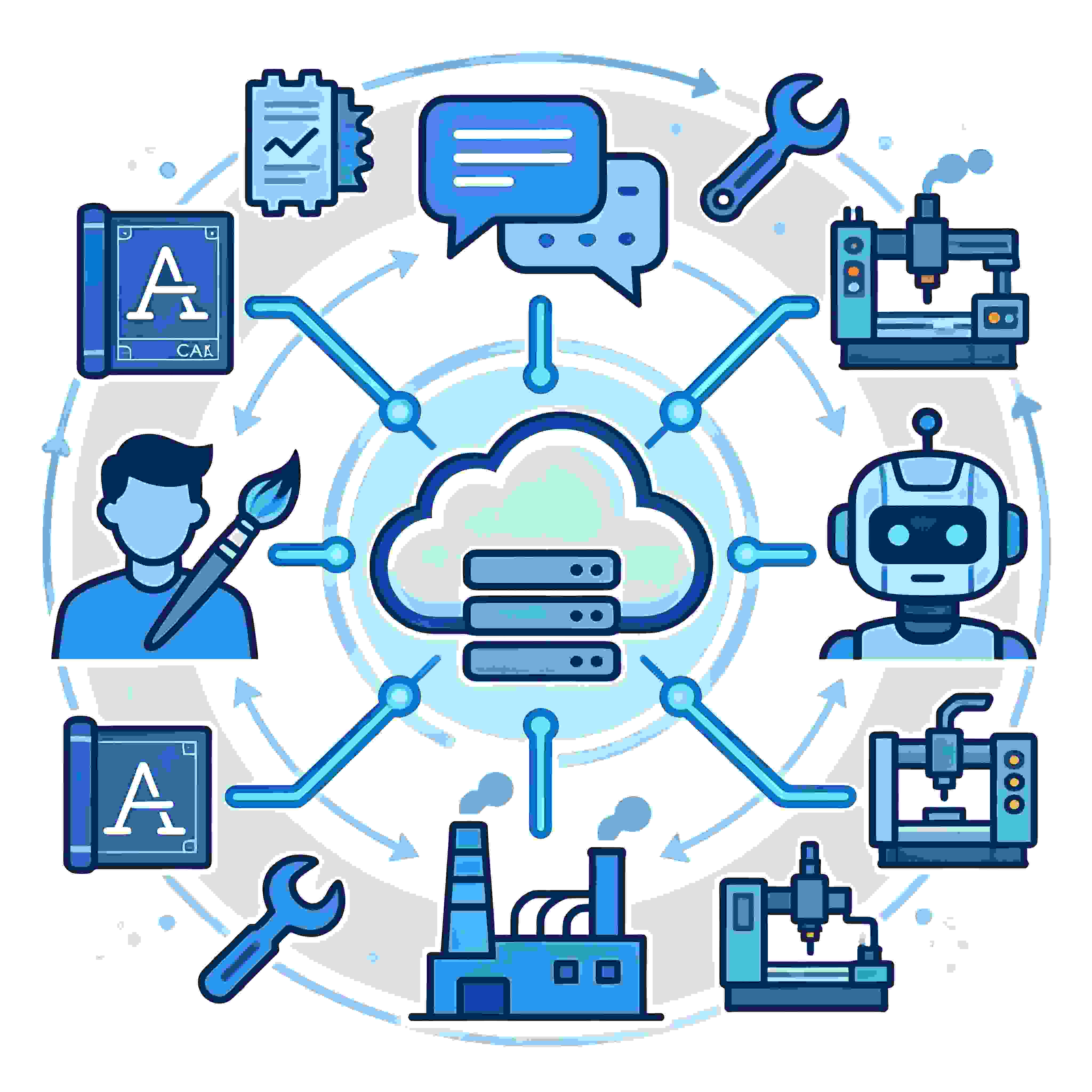
What Makes AI-Driven Manufacturing Equipment More Efficient?
How AI Connects Data, Machines, and Production Decisions
AI-driven equipment relies on sensors, machine records, and software models. These tools compare current conditions with past performance and quality targets. A process might start drifting off track. If that happens, the system can suggest or make direct changes. It adjusts speed, pressure, temperature, or material flow.
AI can also spot hidden patterns. These trends are hard to see by hand. For example, a slight rise in vibration might seem harmless. However, it could happen alongside longer cycle times and temperature shifts. Together, these signs often point to tool wear or a coming failure.
Why Traditional Equipment Often Uses More Energy and Materials
Traditional equipment often sticks to fixed settings. It does this even when production conditions shift. Manual inspections usually happen at set intervals. Because of this, a line might run poorly for hours. Workers only notice the problem later.
Small shifts become very costly at a large scale. You might see a minor cutting error or an unstable mixing ratio. Sometimes, a machine heats up unnecessarily during idle time. These issues cause excess power use and rejected parts. They also lead to extra rework and delayed deliveries.
How Does AI-Driven Manufacturing Equipment Reduce Energy Use?
Real-Time Energy Monitoring and Process Optimization
AI can track energy consumption at the machine, line, or facility level. This clear view highlights inefficient cycles and idle running. It also spots unneeded heating or cooling and peak-load spikes.
Once you see the source of the waste, you can adjust the process. You do this without dropping output quality. A machine might go into standby sooner. Heating can match actual demand. Also, a cycle might run faster while keeping dimensional accuracy within the required limits.
Smarter Machine Scheduling and Load Balancing
AI can group energy-heavy tasks into smart operating windows. It balances workloads across available machines. This balanced approach reduces the strain on one asset. It also makes sure another machine does not just sit idle.
Coordinated scheduling limits repeated startups and stoppages. These actions often burn more energy than steady operation. The final result is smoother production. You also get a much more predictable power demand.
Can Predictive Control Lower Power Consumption?
Yes, it can. Predictive control mixes past and real-time data. It adjusts machine behavior before a minor inefficiency gets worse. Stable cycles cut down on wasted power and emergency stops. They also reduce wear on motors, tools, and thermal systems.
Where Does AI Help Cut Waste Across Manufacturing Processes?
Material Waste Reduction Through Precision Control
AI boosts precision in cutting, mixing, molding, assembly, and packaging. Tighter control stops the overuse of raw materials. It lowers part-to-part differences and keeps defects within acceptable limits. Even a tiny material saving per part adds up quickly. It becomes highly valuable in high-volume production.
Quality Inspection and Early Defect Detection
AI-driven inspection spots defects while production is still running. You do not have to wait until a batch is fully done. Early detection stops bad products from wasting more labor and energy. It also saves packaging and downstream processing time.
Fast feedback helps operators fix root causes right away. This is much better than sorting through huge piles of finished scrap later.
Process Variability and Scrap Prevention
Variation comes from many places. It might stem from tool condition, vibration, humidity, material differences, or operator timing. AI compares all these factors. It finds links that a manual review will likely miss.
Keeping production stable cuts down on rework and thrown-away items. Less scrap leads to better profit margins. It also lowers the energy and materials needed to replace bad parts.
Why Does AI-Driven Manufacturing Equipment Lower Production Costs?
Reduced Downtime Through Predictive Maintenance
Predictive maintenance looks at vibration, temperature, cycle counts, and performance shifts. It uses this data to guess when equipment needs care. Teams can then schedule maintenance before a breakdown halts production.
Stopping failures prevents expensive emergency repairs and idle labor. It helps you avoid missed deadlines and rushed replacement orders. This approach also makes spare-parts planning much easier.
Labor Efficiency and Better Use of Operational Resources
AI works best when it handles repetitive monitoring and data tasks. Employees can then focus on fixing tough problems and improving processes. They can oversee quality and make higher-value choices. This setup improves resource use. It does not just treat AI as a simple labor replacement.
Better Throughput, Yield, and Inventory Control
Steady production leads to more predictable output and yield. Better forecasting and clear line visibility help quite a bit. They cut down on excess inventory, rushed buying, and planning mistakes.
Sometimes, good output is easier to predict. When this happens, manufacturers can plan materials, labor, and delivery times more accurately. This accuracy lowers the total production cost per unit.
What Cost Areas Are Often Overlooked?
Common hidden costs include micro-stoppages and extra utility use. You might also see calibration drift, scrap handling, rework, and unplanned maintenance. AI-driven manufacturing equipment makes these losses easier to measure and fix. Many savings come from dozens of small upgrades across the whole production cycle.
How Is Momaking Supporting Smarter and More Efficient Manufacturing?
What Is Momaking and What Do We Offer?
At Momaking, we provide an AI-powered industrial design agent. We also offer a one-stop manufacturing platform. This platform connects creative development, structural design, and manufacturability analysis. It also handles quotation, prototyping, and production services.
Our workflow closes the gap between design software and manufacturing. Users can move quickly from a basic idea to a visual design. They can then build the internal structure and a manufacturable 3D model. They do this without constantly switching tools. We also connect digital designs to 3D printing, CNC machining, and rapid prototyping. We support small-batch flexible production as well.
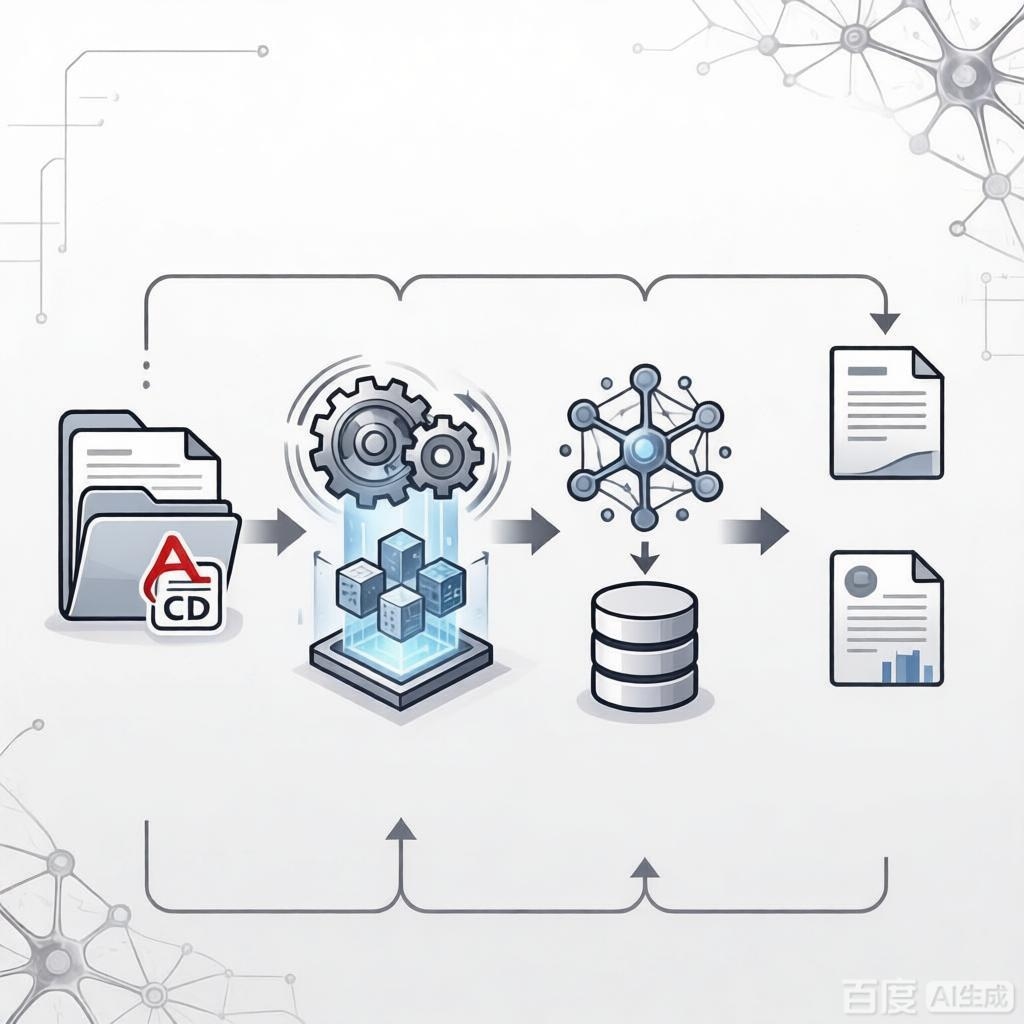
How Our Products Fit Into Modern Production Workflows
We support projects where consistency, precision, and manufacturing readiness truly matter. Our AI tools help with appearance design, rendering, and internal structural layout. They also assist with DFM analysis. You can then export high-precision STL or STEP models for physical production.
We also offer online quotation, order placement, and production tracking. We handle quality inspection, including a 100% pre-shipment inspection. We link design choices with manufacturing needs early on. This helps customers cut down on trial-and-error cycles. They avoid impractical structures and reach physical prototypes much faster.
Why Buyers Should Evaluate Equipment Beyond Purchase Price
At Momaking, we urge buyers to look past the initial purchase price. True long-term value depends on uptime and energy performance. It also relies on maintenance needs, yield stability, process fit, and adaptability.
A low upfront price can quickly become expensive. This happens if the equipment causes unstable output, frequent downtime, or heavy scrap. Buyers should closely compare technical compatibility, service support, scalability, and lifecycle cost. Our role is to support a clear path from design to manufacturing. This way, you can look at cost, quality, and production feasibility all at once.
FAQ
Q: What is AI-driven manufacturing equipment?
A: It refers to machines or production systems that use sensors, data, and smart algorithms. These tools work together to optimize performance. These systems can boost energy efficiency and spot defects earlier. They also reduce downtime and lower overall production costs.
Q: How does AI-driven manufacturing equipment reduce waste?
A: It improves process precision and finds defects earlier. It also spots conditions that lead to scrap or rework. Real-time monitoring and automated tweaks help manufacturers use materials better. This keeps the final output very consistent.
Q: Is AI-driven manufacturing equipment expensive to implement?
A: Costs depend on the equipment, production complexity, and integration needs. You should compare the initial investment with long-term savings. These savings come from lower energy use, reduced waste, and fewer breakdowns. You also gain more stable yields and better production efficiency.