The Transformation of CNC Machining in the Age of Automation
What Is Driving the Shift Toward Automated CNC Machining?
The manufacturing field is facing a major change as automation tools alter old machining methods. The key force pushing this change is the rising need for exactness and speed. Sectors like aerospace, automotive, and electronics need parts with narrow limits. Only modern control setups can reach those. CNC machining is a computer-driven and adjustable production method. It includes different cutting tools. It also covers other tasks like milling, drilling, and grinding. This digital method provides steady results and correctness. Manual ways simply cannot equal that.
Worker shortages also speed up the use of automation. Skilled machinists are tougher to hire now. So, factories turn more to automatic CNC devices. They keep a steady output going all day and night. Adding robots and AI cuts down on manual labor even more. Machines handle tough jobs on their own. At the same time, they hold to strong quality levels.
How Smart Manufacturing Technologies Are Reshaping CNC Operations
Smart production tools are changing how CNC setups work. Internet of Things (IoT) sensors now allow instant checks on machine function, heat, shaking, and tool damage. These sensors send details to forecast repair systems. Those systems spot problems early. This stops at work. Fact-based choices come from linked production setups. They let factories adjust flows as needed.
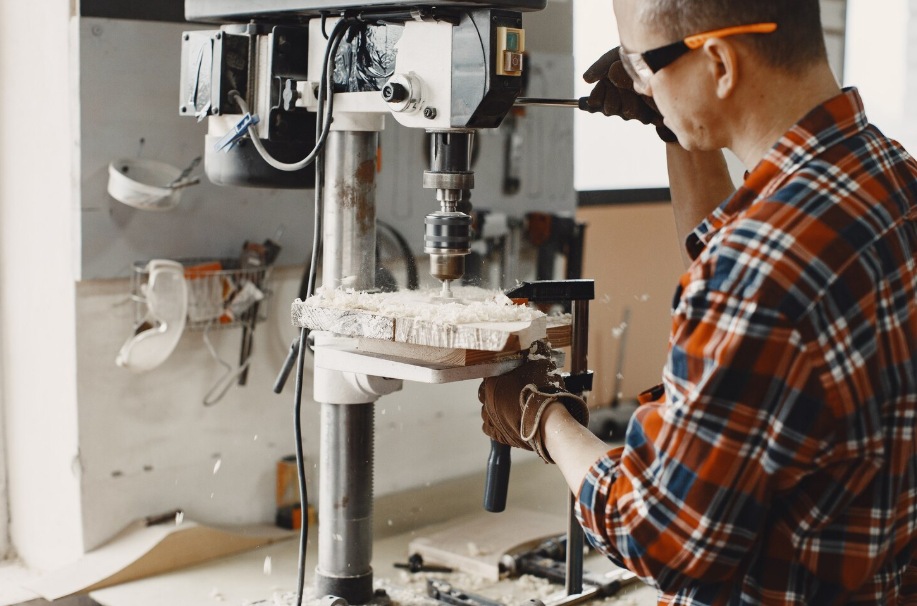
Automatic tool switchers boost adaptability. They allow quick shifts between various machining jobs without people stepping in. This cuts down on wait times. It raises output. CNC machining carefully guides the tool's motion via computer codes. It sets the tool route and cut settings just right. Such exactness supports smart production's aim. That aim blends quickness with correctness.
The Integration of Digitalization in CNC Machining
The Impact of Data Analytics on Production Efficiency
Digital tools have added fresh smarts to CNC machining tasks. Gathering machine info allows for ongoing tweaks for better work. It tracks things like spindle turns, feed speeds, and power use habits. Forecast tools use this data to predict gear breakdowns ahead of time. This keeps work flowing without breaks.
Better tracking is another plus from digital shifts. Factories record each step in the machining flow. So, they can check if things meet quality rules and legal needs. Numerical control tech boosts production speed, cuts accuracy, and improves item steadiness. It fits today's calls for exact making and tricky handling.
How Cloud-Based Systems Enhance CNC Workflow Management
Cloud setups are changing how flows are handled. They gather all work data in one spot. Groups can pull up machining details from anywhere. This aids teamwork across units or worldwide sites. Built-in tools for working together keep projects on track without issues.
Cloud setups also ease software fixes and tune-ups for CNC gear. This makes sure every machine runs with the newest setups. It cuts down on match problems. Plus, it holds even quality across making lines.
Human–Machine Collaboration: A New Manufacturing Paradigm
Why Human Expertise Still Matters in Automated CNC Environments
Even with higher automation, human skills stay vital in today's CNC spots. Trained workers can read tough data sets past what programs can do. This is key for handling surprise situations or adjusting settings for special stuff.
People watching over things brings flexibility in odd cases. Think of power dips or uneven materials. Training now focuses on digital know-how and setup handling. Workers can watch automatic flows well. They do not need to do repeat hand jobs.
How Automation Enhances Worker Safety and Productivity
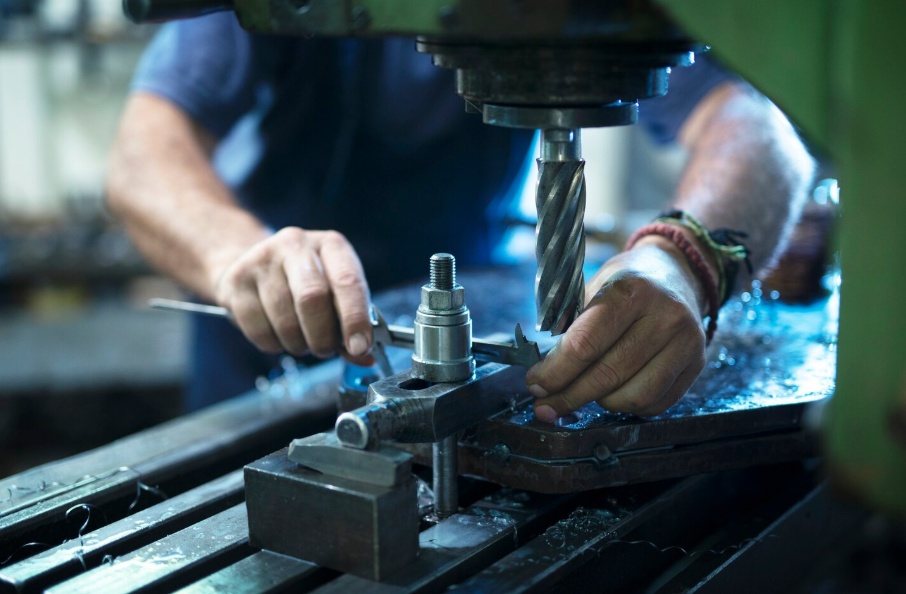
Automation greatly lifts job safety. It hands risky or repetitive tasks to robots. Staff can turn to better jobs like coding or layout tweaks. They skip physical jobs that risk harm.
Body-friendly gains come from less handwork near the big gear. Auto load systems end strain hurts. They keep output at top levels over long work times.
The Evolution of CNC Machine Capabilities Through Smart Manufacturing
How Connectivity Improves Machine-to-Machine Communication (M2M)
Machine-to-machine (M2M) links form the base of smart plants. There, tied CNC parts share work data without hitches. This linking lets matched flows happen. One machine's result turns right into another's start. No hand linking needed.
Plan tweaks gain from M2M links. Systems auto-assign tools based on now capacity checks. Stuff movement gets smoother. Power use gets better across many parts. Smart feedback rings boost flow steadiness.
Adaptive Manufacturing: Can Machines Learn from Each Production Cycle?
Man-made brainpower adds self-adjustment learning to new CNC centers. AI codes check past runs to better future tool routes, speeds, and feed levels for stronger output. In time, these adjusted control setups cut waste. They hold tight limits needed in top-making fields.
Every run turns into a learning chance. Machines fix their own slips spotted in prior tries. This builds a nonstop better loop. It runs on data views, not hand-tune-ups.
Momaking’s Approach to Smart CNC Machining Solutions
How Momaking Is Contributing to the Future of Automated Manufacturing
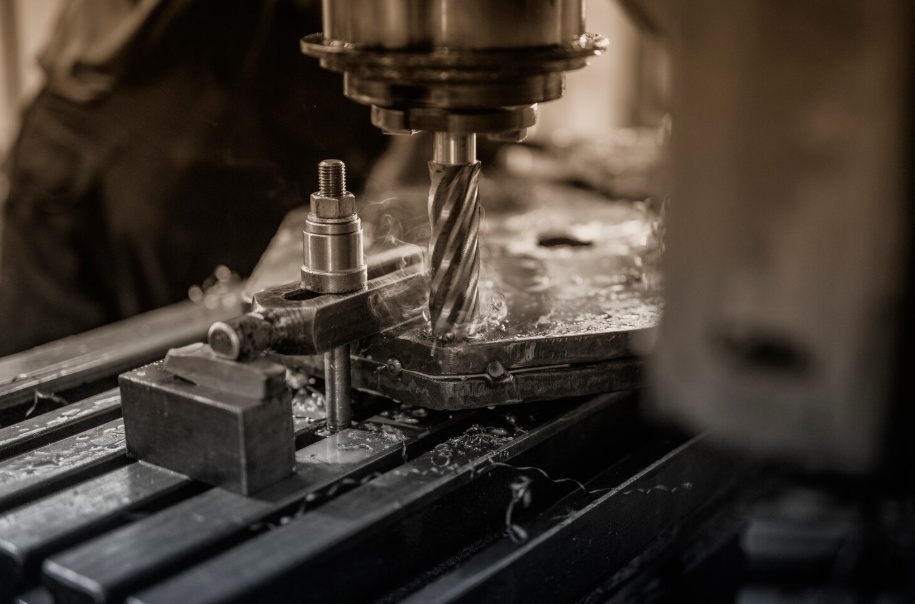
At Momaking, we take up new ideas at each part of our smart production path. CNC Machining Services give quick model making, and group runs with an order of 1 piece. We send it in just 2 days. We mix smart automation into our CNC systems. This brings top output. We keep high quality for each part made.
Our top software fixes allow smooth handling of many machines in a linked setup. It is built for growth and bendability. Green ways stay at our core. We aim for power-saving gear plans. They lower the run costs and cut eco harm.
Key Features of Momaking’s CNC Product Lineup
Intelligent Control Systems for Precision Manufacturing
We built smart control bases that give now checks mixed with auto tune features for steady work across varied stuff like aluminum mixes or tech plastics. CNC machine tools smartly adjust spindle speed and feed rate to fit material needs. Meanwhile, multiple axes team up. Our easy user screens make coding simple. Even tricky shapes need at-once multi-axis jobs.
Modular Design Supporting Scalable Automation
Our build-as-you-go style backs growing automation. It fits small model making and big factory lines. Bendy setups allow easy tying with robot arms, movers, or check units based on job wants. This ensures change as buyer needs grow over time.
FAQ
Q: What are the main benefits of automating a CNC machining process?
A: Automated CNC machining increases productivity by minimizing manual setup time, improving accuracy, reducing scrap rates, and allowing continuous operation even outside regular working hours.
Q: Is smart manufacturing suitable for small machine shops?
A: Yes, smaller operations can adopt modular automation solutions that scale gradually—starting with simple sensor integration or automated tool changers before expanding into full IoT systems.
Q: How does predictive maintenance improve CNC machine reliability?
A: Predictive maintenance uses real-time data from sensors to detect wear patterns or anomalies early, enabling timely interventions that prevent costly breakdowns and extend equipment lifespan.