2026 Manufacturing Standards and the Shift Toward Advanced Materials
What Are the Key Changes in 2026 Manufacturing Standards?
The 2026 manufacturing standards signal a major shift. They stress sustainability, energy savings, and the use of digital tools in production. Fresh worldwide rules aim to cut environmental harm. They push for materials that recycle easily and optimize full life cycles. Makers must now focus on low-carbon options. They also need to embrace circular economy ideas.
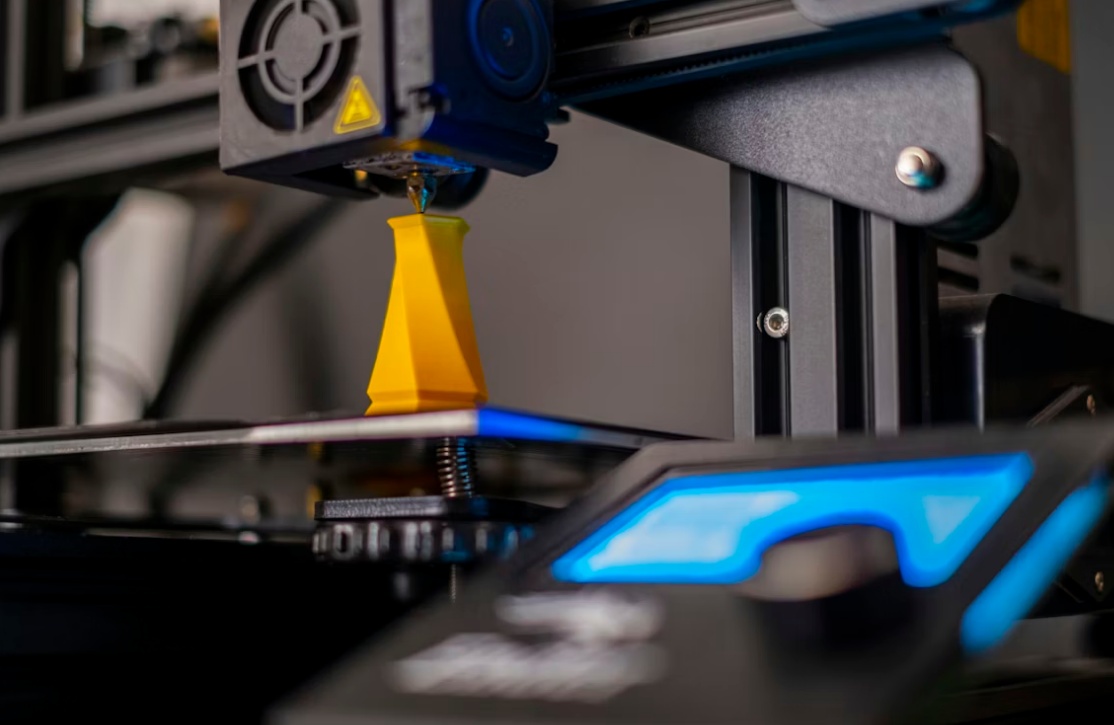
Lightweight but tough substitutes for common metals play a big role in these rules. Sectors are moving to advanced plastics. These provide similar power while cutting energy use in making them. Plus, digital production ways—mainly additive manufacturing—gain key status in regulations. This is because of their accuracy and ability to limit waste.
3D printing or additive manufacturing, builds three-dimensional items. It does this by adding layers of material one after another under computer guidance. This method fits the 2026 goals for green output. It allows precise use of materials. And it cuts down on leftover scraps.
How Do These Standards Influence Material Selection?
The new rules greatly shape how sectors pick materials. Tighter benchmarks for performance require options with strong mechanical power, resistance to chemicals, and steady heat handling. These must avoid extra weight or eco strain. Tough polymers like nylon are growing more popular. They offer a good mix of lasting quality and eco-friendliness.
Cost savings drive this too. With rising energy costs, swapping heavy metal pieces for lighter plastic ones brings running savings. It also boosts product results. Meeting fresh safety and eco rules gives firms an edge in world markets. Following them shows a readiness for new ideas and a sense of duty to society.
Why Nylon 3D Printing Services Are Transforming Modern Manufacturing
What Makes Nylon a Preferred Alternative to Metal?
Nylon shines as a flexible engineering plastic. It works well to swap for metals in various uses. It blends pulling strength with bendability. This makes it perfect for working parts that face pressure or shaking. Its resistance to wear means a long working life. Even under rubbing forces, it holds up.
Weight loss is another strong point. Nylon pieces can weigh up to 70% less than metal matches. Yet they keep a solid structure. This helps fuel savings in the car and plane fields. Also, nylon's good heat handling lets it work in hot spots. There, keeping the exact size matters a lot.
Comparing Nylon 3D Printing with Traditional Metal Fabrication
Building with nylon through additive methods has clear benefits over old-school cutting or molding. Waste from materials drops a lot. Parts form layer by layer. They do not come from carving big solid chunks.
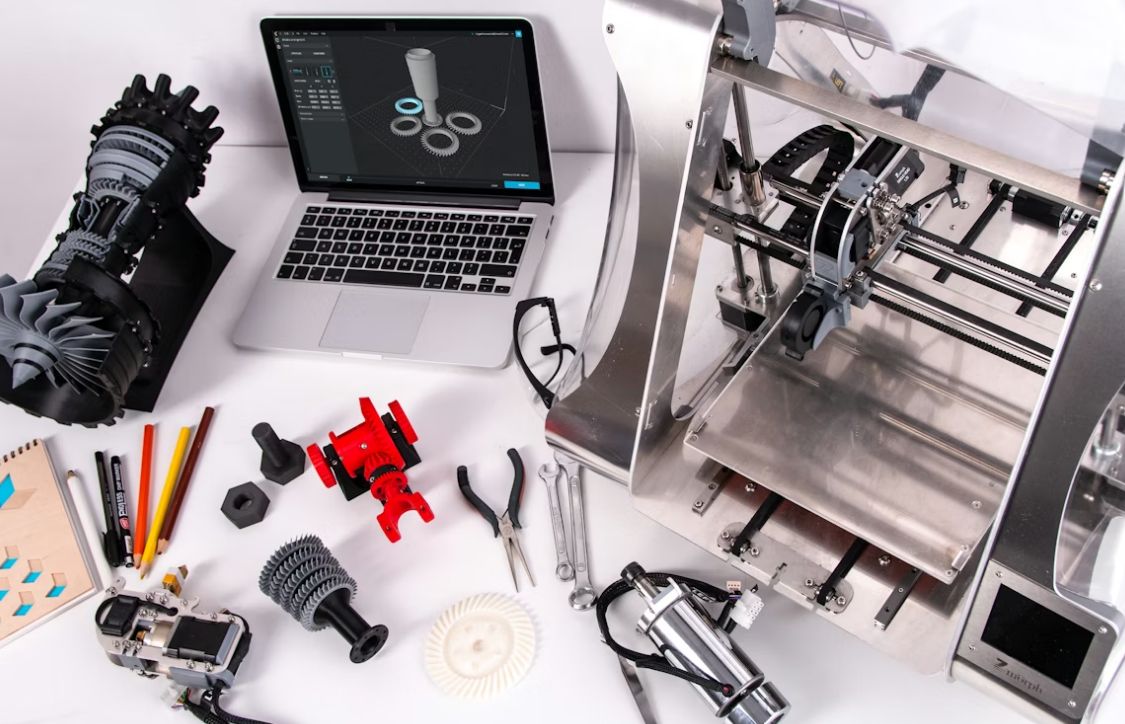
Speed in making picks up too. Digital steps let CAD designs turn straight into printed items. There are no waits for tools. 3D printing has a few basic steps. First, a digital shape of the item comes from computer-aided design software. Then, this shape gets cut into thin flat layers. The 3D printer adds the item layer by layer. It follows the guide from the digital shape. This simple flow shortens wait times from weeks to days.
Customization boosts edge in markets. Nylon 3D printing handles tricky shapes and small batch runs at low cost. Traditional metalwork struggles to do this well.
The Technical Edge of Nylon 3D Printing Service Providers
How Does a Professional Nylon 3D Printing Service Ensure Precision?
Expert providers use top-level gear built for exactness and steady results. Momaking’s industrial-grade 3D Printing Machine prints very small details. It fully meets the tough needs of the exact production field. And it reliably ensures top precision in final items. Steady temperature and moisture settings keep good sticking between layers. They also stop warping as things cool.
Checks for quality cover mechanical tests and size checks before sending out. These make sure items match the client's needs. Such steps build trust that each nylon piece works well under real-world pressure.
Post-processing Techniques That Enhance Nylon Components
Surface Finishing Methods
After-processing is key to better surface feel and use. Buffing or steam smoothing cuts rubbing on touch areas. It also improves looks. This matters for items seen by buyers.
Strength Reinforcement Approaches
For tough uses, heat treating or chemical boosting raises part thickness. It lengthens life under repeated loads. These fixes make nylon items good stand-ins for aluminum or steel in partly weight-holding setups.
Practical Applications of Nylon 3D Printing Across Industries
Where Is Nylon Replacing Metal in Real-world Use Cases?
Nylon’s flexibility lets it take over from metals in many areas:
· Automotive: Light brackets, covers, air pipes, and working models cut vehicle weight. They do this without risking safety.
· Aerospace: Non-key weight-holding parts like cabin pieces gain from nylon’s fire resistance and fatigue resistance.
· Consumer goods: Strong cases for electronics, sports gear parts, and custom tools use nylon’s hardness against hits.
These cases show how plastic-based additive building matches green design views rising under fresh world rules.
How Does This Transition Affect Supply Chains?
Swapping metal for nylon via additive ways simplifies supply lines a great deal. Print-on-demand skips extra stock. Parts make as required near where they get used. Local making spots cut reliance on far-off metal sources. They also lower moving costs.
Sharing digital files eases planning too. Makers send CAD files safely instead of physical shapes or tools. This allows quick copies anywhere in the world. It boosts quick response to changing market needs.
Momaking’s Contribution to the Future of Metal Replacement through Nylon 3D Printing
What Sets Momaking Apart in the Field of Advanced Manufacturing?
At Momaking, we focus on providing expert nylon 3D printing services. These fit the changing world manufacturing rules up to 2026. Upload drawings. Get a quote in 3 seconds via our AI-powered quotation system. It speeds up starting projects for clients around the globe.
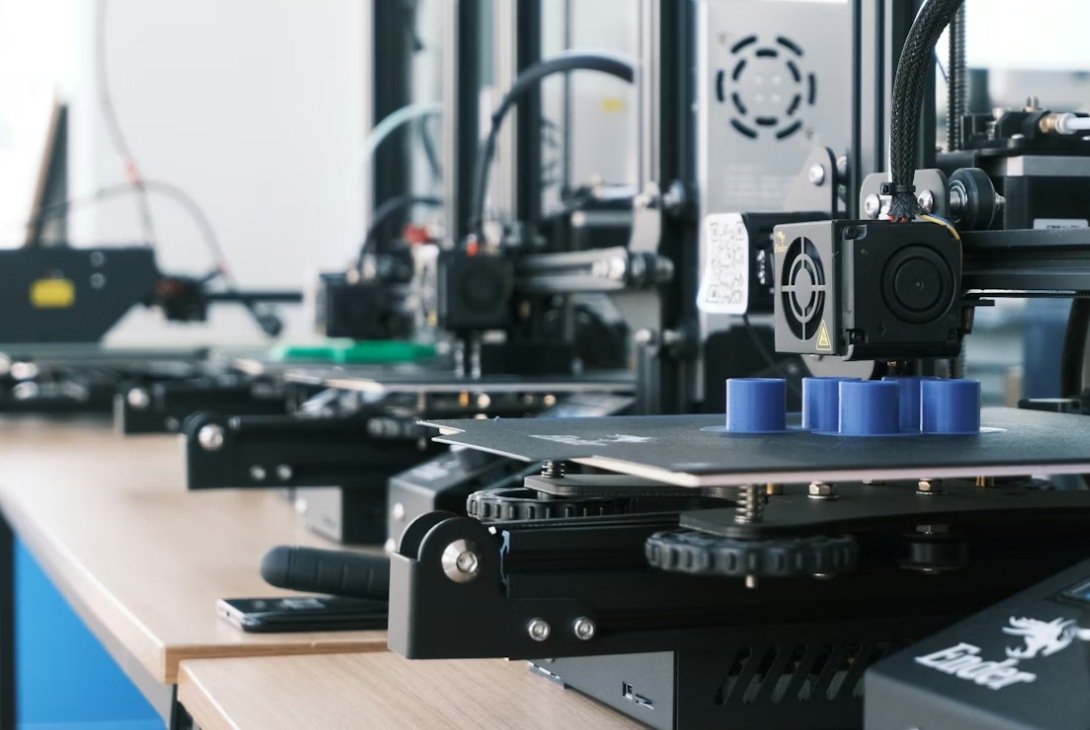
Our setup has over 400 industrial-grade 3D printers. This allows fast model making with the quickest 24-hour delivery. Each machine handles various methods. For example, SLS (Selective Laser Sintering) for white nylon materials. And MJF (Multi Jet Fusion) for black nylon materials. These suits both look-based models and real-use parts.
We keep tight watch on eco factors like temperature, moisture, and material flow in printing. This ensures even results across groups. Our tech team helps clients from idea shaping to after-processing tweaks. This covers car parts, factory tools, or buyer product covers from strengthened nylon mixes.
Product Highlights from Momaking’s Offerings
High-Durability Nylon Parts
Our high-durability nylon components are built for ongoing mechanical work under stress in usual factory settings.
Lightweight Structural Components
We create light but firm structural pieces. They are tuned for good strength-to-weight balances. These fit as straight swaps for old metal setups that need less weight but full stiffness.
FAQ
Q: Is nylon suitable for replacing aluminum or steel in certain parts?
A: Yes. It performs exceptionally well in non-load-bearing or semi-load-bearing applications where reducing weight is crucial without losing mechanical reliability.
Q: What is the typical lifespan of a nylon 3D printed component?
A: With proper design optimization and surface finishing treatments like heat stabilization or chemical smoothing, nylon parts can last several years under normal industrial operating conditions.
Q: How do I choose the right nylon 3D printing service provider?
A: Evaluate based on their resolution precision capabilities, experience with engineering-grade nylons such as PA12 or PA6, range of post-processing options offered, and compliance alignment with upcoming sustainability-oriented manufacturing standards projected for 2026.