What Makes Nylon a Unique Material for 3D Printing
Key Characteristics of Nylon Filament
Nylon stands out from other 3D printing materials. It mixes strong mechanical properties with good flexibility. Nylon gives high tensile strength along with solid impact resistance. It lasts long under tough use, too. It shows low friction and resists wear well. These traits suit it for moving parts under constant stress. The material comes in a semi-crystalline form. This form adds toughness. It lets the material handle moderate heat without shape changes.
3D printing, also known as additive manufacturing, builds three-dimensional objects. It works by laying down material in layers under computer control. This layered approach lets nylon keep fine detail while allowing flexible design choices.
Why Choose Nylon Over Other 3D Printing Materials?
Nylon has a great blend of toughness and flexibility compared to PLA or ABS. Many people choose it for parts like gears, hinges, and brackets. These parts need both strength and some give. Nylon works well for test builds and final parts. It handles repeated loads without breaks.
Over the years, 3D printing relied on plastics such as PLA (polylactic acid) and ABS (acrylonitrile butadiene styrene). These choices cost less. They print with ease. They also fit many uses. They work well for test pieces and everyday items. Yet nylon beats them when parts must take heavy stress or friction.
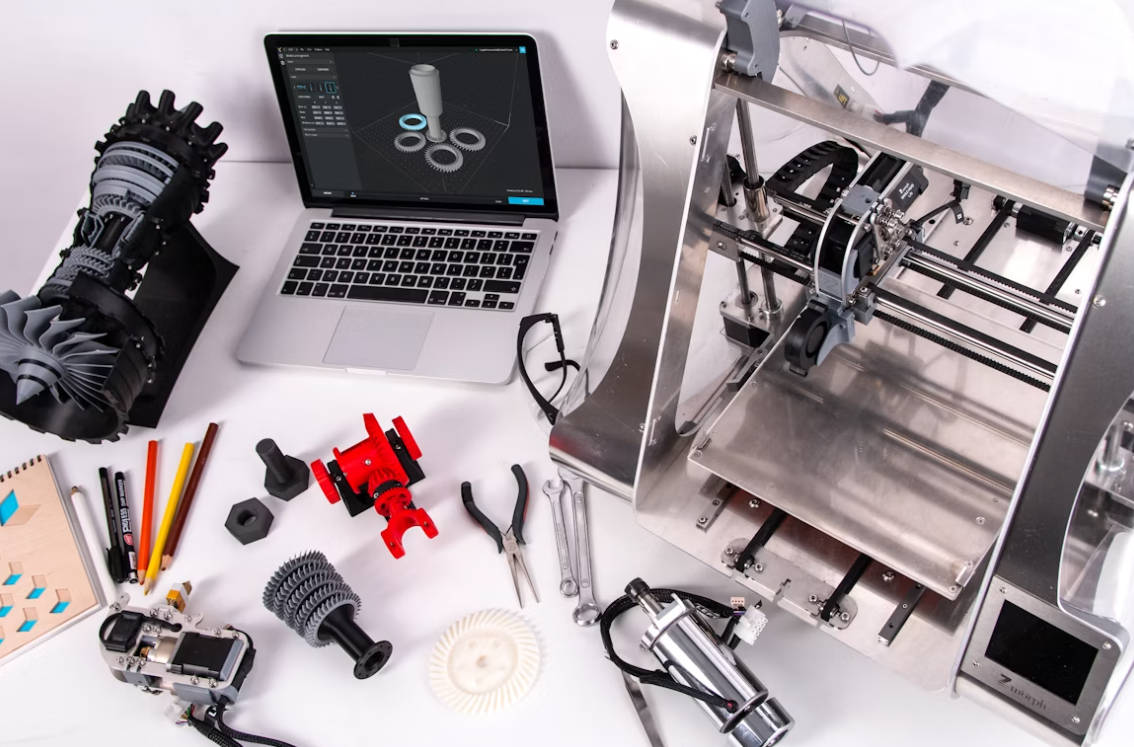
Optimal Settings for Nylon 3D Printing
What Are the Recommended Temperature Settings?
Set the nozzle between 240°C and 270°C for the best nylon results. The exact value depends on the printer. Keep the bed at 70°C to 100°C. This helps the first layer stick well.
Momaking's industrial-grade 3D printing machine prints very fine details. It meets the tight needs of precision work and keeps finished parts accurate. An enclosed chamber holds steady heat and cuts warping from uneven cooling.
How to Achieve Better Layer Adhesion with Nylon?
Good layer bonding matters with nylon. Weak bonds can cause layers to split or parts to fail. A heated bed plus a surface like PEI or glue stick helps layers hold. Steady room conditions reduce shrinkage as the print cools. Set print speed between 30 and 60 mm/s. This improves bond strength while keeping surface quality.
Fine-Tuning Retraction and Cooling Settings
Use a shorter retraction distance. This cuts stringing without blobs or gaps. Limit the cooling fan so layers do not split from fast cooling. Test small changes in retraction speed or fan level. These tweaks often smooth the surface.
Drying Nylon Filament Before Printing
Why Does Nylon Need Drying?
Nylon pulls in water from the air fast. Prints made with wet filament show bubbles in the layers. The surface turns rough, and the part loses strength.
Effective Methods for Drying Nylon Filament
Using a Dedicated Filament Dryer
A filament dryer holds a steady 70°C to 80°C. It removes moisture well and keeps the filament from breaking down during long runs.
Oven or Dehydrator Techniques
A home oven with good temperature control works at low heat. A food dehydrator also dries the filament steadily without overheating.
Storage Tips After Drying
After drying, keep spools in sealed boxes with desiccant packs. Vacuum bags also stop moisture from returning.
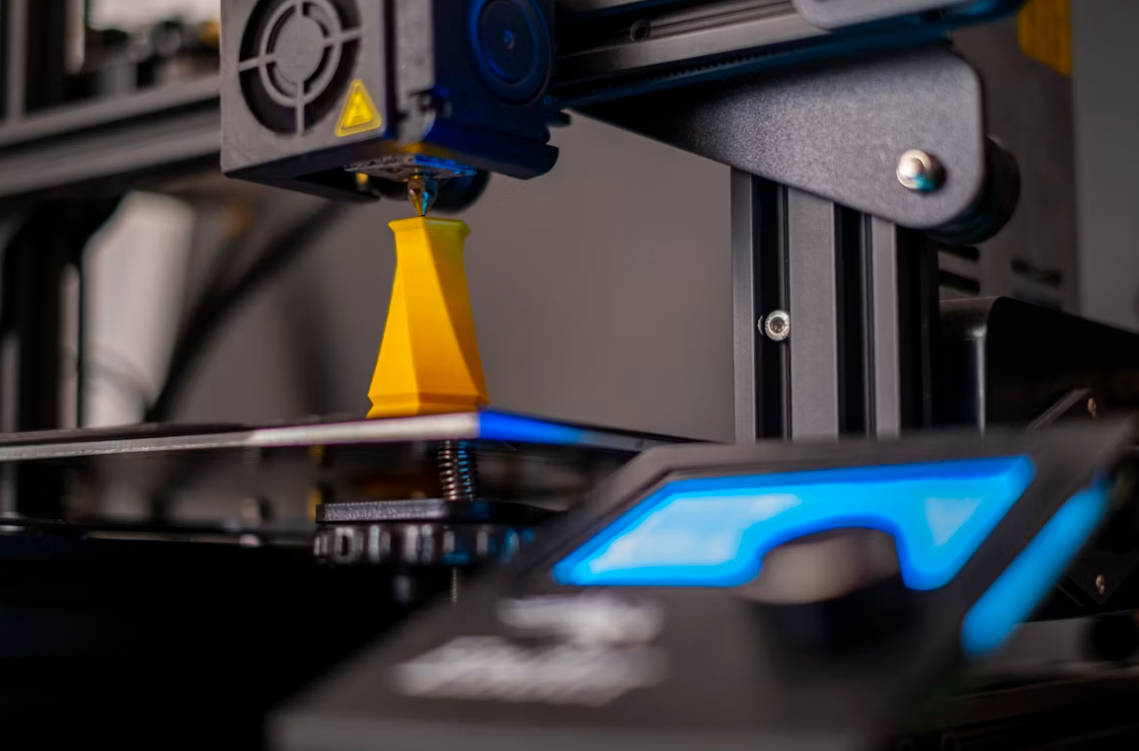
Fixing Warping and Bed Adhesion Issues in Nylon Prints
What Causes Warping When Printing with Nylon?
Warping starts when layers cool at different rates. This creates stress that lifts corners from the bed. Weak bed grip or poor leveling makes the problem worse.
Practical Solutions for Warping Problems
Improving Bed Adhesion Techniques
Add a thin coat of glue stick or use special sheets. These steps increase hold on the build plate. Light sanding of the bed surface also helps the nylon grip better.
Managing Temperature Fluctuations During Printing
An enclosed printer keeps the room temperature steady. This stops sudden drafts that cause uneven shrinkage across the part.
Enhancing Print Quality Through Design Adjustments
How Can Model Design Influence Print Success?
Small design changes help nylon prints stay stable. Rounded corners lower stress points that cause warping. Thicker walls add strength but may need slower speeds to avoid heat buildup.
Orientation and Support Optimization Tips
Choosing the Right Print Orientation
Place flat faces on the bed. This gives early layers better support and reduces overhangs that need extra supports.
Support Structure Strategies
Add only the supports that are truly needed. This cuts cleanup time and keeps part accuracy during the build.
Momaking’s Contribution to High-Quality Nylon 3D Printing Solutions
About Momaking’s Expertise in 3D Printing Materials
At Momaking, we make reliable high-performance nylon filaments. These filaments give steady extrusion and accurate dimensions on many machines.
Upload drawings and get a quote in 3 seconds. We run more than 400 industrial-grade 3D printers. They handle complex shapes with SLA, SLS, MJF, and SLM processes. Our systems keep every filament batch at professional standards for both test parts and full production runs.
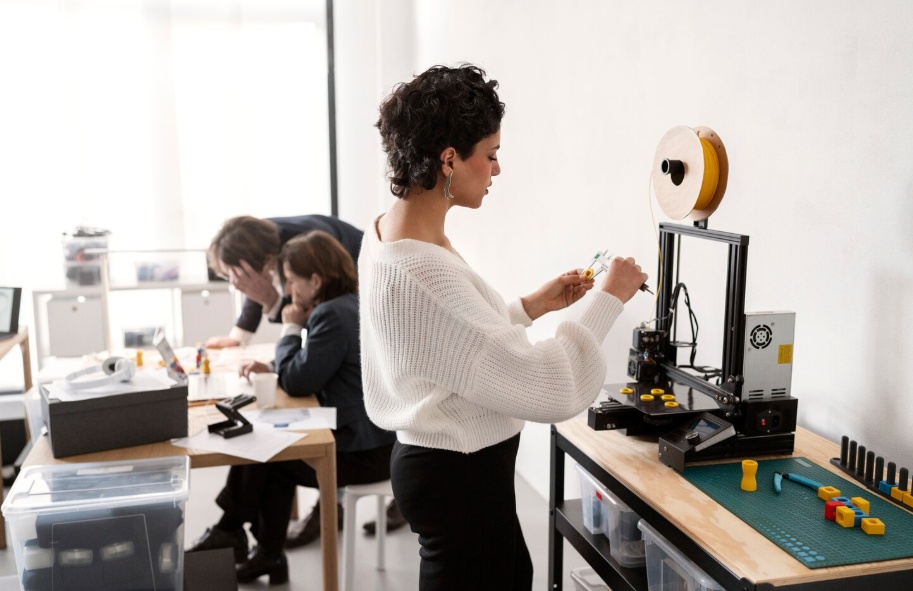
Product Features That Benefit Users
Key Advantages of Momaking Nylon Filament
Our nylon filaments resist moisture better than standard types once users dry them properly. They feed smoothly and reduce clogs even on long industrial runs. Momaking's industrial-grade 3D printing machines deliver high precision, large build volumes, and broad material support. They also run with stable and reliable performance.
Applications Supported by Momaking Products
Momaking nylon materials serves many fields that need tough functional parts. They fit professional test builds and mechanical components in aerospace or automotive work because of their strength and size stability under load.
FAQ
How do I prevent my nylon filament from absorbing moisture too quickly?
Place the spool in a sealed container with silica gel packs right after use. Vacuum bags also work well. Keep the filament away from room air.
Why does my nylon print look rough or bubbly even at correct temperatures?
Moisture is the usual cause. Dry the filament fully at around 70°C for several hours before printing.
Can I print nylon successfully on an open-frame printer?
You can, but an enclosure gives better results. It holds steady temperatures and lowers the risk of warping or layer splits.