Exploring the Value of AI-Driven Manufacturing Equipment
What Makes AI-Driven Manufacturing Equipment Different from Traditional Systems?
AI-driven manufacturing gear marks a big step forward from older setups. Traditional machines depend on fixed programs. These new systems combine machine learning and data analysis straight into daily production. The mix lets machines learn from running data. They adjust to fresh changes on their own. They also improve output without constant help. Real-time choices support ongoing tweaks. This raises efficiency and keeps product quality steady.
Predictive upkeep sets the systems apart. Sensors feed data that spot issues early. The result cuts downtime and lowers repair costs. The approach targets long design cycles in industry, high entry hurdles, and gaps between software and hardware. It speeds the full path from an idea to a finished item. This lowers trial costs in R&D. It offers the manufacturing field a full digital solution in one place. It supports smart production and steady industry growth.
How AI Enhances Automation and Precision in Manufacturing
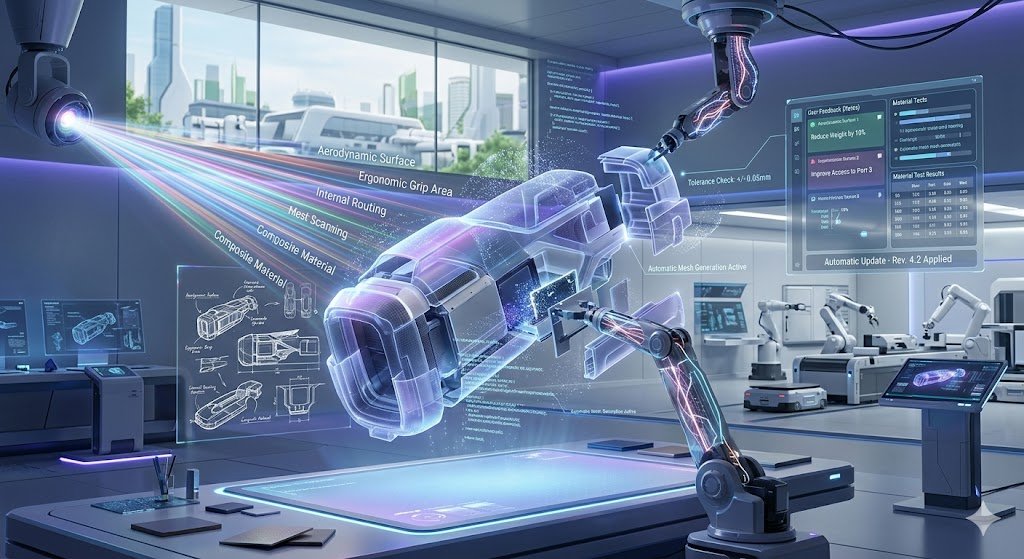
Automation has long helped manufacturing run well. AI lifts it further with tight control. Smart rules adjust machine moves in real time. They hold quality at a steady level. The adjustments keep accuracy high in tasks like assembly or machining. Fewer defects show up, and output rises. Smart checks catch odd patterns at once. This lowers human mistakes and lifts safety. The tools also close the gap between design and production. They support every stage from initial style to final engineering. Makers reach precision levels that manual checks alone could not deliver.
Evaluating the Cost of Implementing AI in Manufacturing
Key Factors Affecting the Cost of AI-Driven Equipment
The cost to add AI-driven gear rests on several main parts. Hardware costs cover strong sensors, fast processors, and robots that run the rules. Software costs cover machine-learning tools, forecast programs, and links to current company systems. Data setup needs, such as cloud links and safe storage, also matter for large data flows. Staff training adds another key cost. Workers need skills to run, read, and care for the smart systems.
Is the Initial Investment Justified by Long-Term Gains?
Upfront costs can run high. Still, long-term gains often make up for them. Predictive upkeep alone can save large sums each year by stopping unplanned stops. Daily savings grow from lower energy use, better material use, and less waste. Over time, output gains cover the first spend as work flows improve and scale up. Money models help judge return times based on higher output and lower costs from the automation.
Measuring ROI: How Can Businesses Quantify the Benefits?
Metrics Used to Assess ROI in AI Manufacturing Systems
To measure return, firms track clear numbers. These include items made per hour, fewer defects, better energy use, and overall equipment effectiveness. Forecast tools also help by lengthening machine life through early care plans. Waste cuts, such as lower scrap or fewer reworks, give direct signs of money saved from the smart tweaks.
Realistic Timeframes for ROI in AI Investments
Return times differ with setup size and detail. Small trials or pilot lines may pay back in one to three years from quick gains. Big sites with many lines may take longer, but gain more overall. Built-in learning in the systems helps returns grow as the rules keep improving from fresh data.
The Strategic Benefits Beyond Cost Savings
How Does AI Improve Supply Chain Responsiveness?
AI-driven work helps beyond the plant floor. Real-time tracking supports better stock control by spotting material shortfalls or extras before they hit output. Demand forecasts line up buys with market shifts. This cuts extra stock costs while keeping service steady. Auto tools also smooth talks with suppliers and match logistics across wide networks.
The Impact on Workforce Efficiency and Safety
AI lifts both staff output and safety. It moves people to higher-value work and handles risky or repetitive tasks. Smart robots manage heavy jobs like welding under close watch. Data insights guide better task plans from live performance reads. Risk checks spot hazards early. They protect staff and help meet safety rules.
Challenges Businesses Face When Adopting AI Equipment
Common Barriers to Implementation in Manufacturing Facilities
Adoption brings hurdles that need care. Old machines may not link easily due to mismatched signals or old control code. Data safety remains a top worry when plants join cloud networks that face online threats. Staff pushback can appear from fears of job loss. Training that shows how people and machines work together helps ease those worries.
Momaking’s Contribution to Smart Manufacturing Solutions
Why Choose Momaking for AI-Based Manufacturing Equipment?
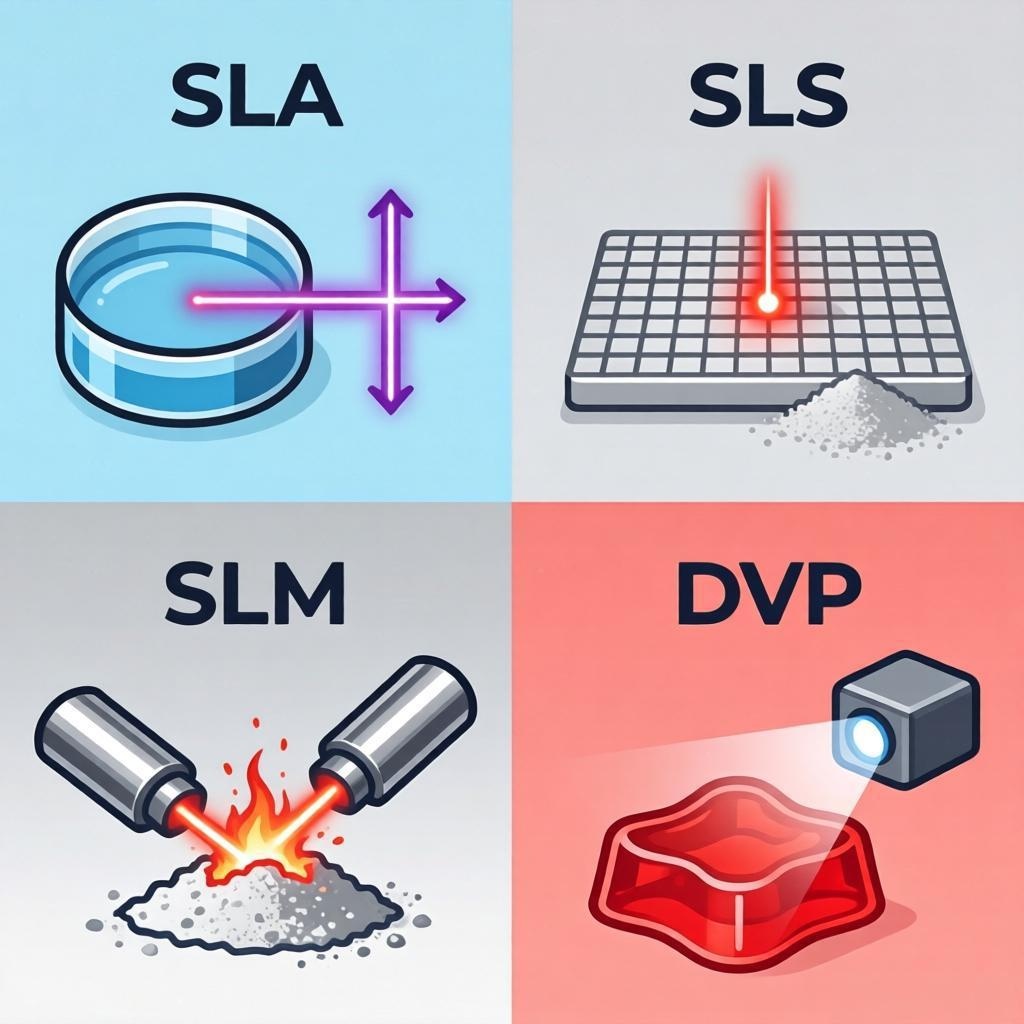
At Momaking, we build smart manufacturing tools for many fields that want digital change through strong automation. Your dedicated AI industrial design engineer turns a spark of inspiration into a manufacturable product, fully AI-driven. Our gear uses adaptive rules for exact control and predictive upkeep in varied lines, including 3D printing, CNC machining, injection molding, sheet metal fabrication, and die casting processes. Momaking is a world-leading AI-powered industrial design agent & one-stop manufacturing platform. We focus on easy growth with simple screens that ease complex flows and keep long-term costs low for firms of any size. Built-in DFM evaluation ensures models meet 3D printing standards; AI-powered instant online quoting for manufacturing costs.
How Momaking Supports Digital Transformation in Production Lines
We give full support from installation to performance tuning. This keeps the fit smooth inside your current lines. Our Mission: Integrating AI with industrial innovation to empower intelligent manufacturing. Our training gives teams the skills they need to run the gear with confidence. Beyond just "drawing" — AI-generated models connect directly to 3D printing and CNC machining, closing the loop from idea to physical product. Fresh ideas guide our work as we match new automation trends in world markets.
FAQ
Q: What are the main benefits of using AI-driven manufacturing equipment?
A: AI-driven systems raise output speed through live process tweaks. They cut downtime with upkeep plans that catch faults early. They keep product quality even across runs. They also lower running costs by handling complex steps with little human input.
Q: How much does it typically cost to implement AI technology in a factory?
A: Costs vary with plant size, system detail, sensor needs, software fit, and training. Many firms still see strong long-term savings that cover the first spend within a few years, thanks to higher output.
Q: Will AI-driven manufacturing equipment replace human workers entirely?
A: No. AI works with human skill. It takes on repeat or risky tasks safely. Staff can then focus on creative problem-solving, innovation plans, and strategy work that support steady growth in modern smart plants.