AI Jewelry Design is changing the front end of jewelry development by making more concept directions visible before a team commits to detailed modeling or a physical sample. A designer can start with a brief, motif, sketch or reference image, use AI to explore proportions and surface language, and then move the selected direction into 3D modeling and human review. The practical value is not an automatic promise of a finished jewel. It is a faster, more traceable path from creative intent to a structure that can be evaluated for personalization, wearability and manufacturing.
What AI Jewelry Design Means in Practice
How AI Turns a Jewelry Brief Into Concept Directions
A useful brief names the wearer, jewelry category, occasion, visual references, preferred proportions, material expectations and fixed features. It can also separate a collection rule from a one-off request. Generative tools can then propose variations in silhouette, motif, setting language and surface treatment.
The first result is a conversation starter. A render can show an elegant relationship between a stone-like focal area and a band, but it does not establish hidden geometry, attachment logic or production suitability. The designer should keep the approved brief beside every output so creative excitement does not erase practical requirements.
AI Jewelry Design for Style Exploration and Personalization
Jewelry teams often need to compare a family of related options rather than make one isolated image. AI can vary motif scale, texture, proportions, engraving areas or color direction while preserving a shared design language. This supports personalization discussions because a customer can react to concrete alternatives instead of an abstract promise of customization.
Human review remains essential for taste, cultural context, comfort expectations, material choices and brand identity. AI Jewelry Design widens the option set, but the designer decides which variations are coherent, respectful and worth developing further.
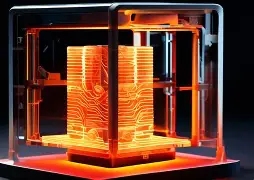
How AI-Assisted Jewelry Moves From Image to 3D Model
Use Text, Sketches and Reference Images
Text describes the story, mood or motif. A sketch communicates proportion and gesture. A reference image can anchor a surface, clasp, profile or visual relationship. Together they give the modeling workflow more context than one inspirational picture.
The team should mark what is known and what is uncertain: ring or pendant scale, thickness, connection points, moving elements, stone interface assumptions and finish. A single view cannot prove the shape of hidden surfaces. Treat the first AI output as an interpretation that needs additional views, measurements or a revised prompt.
Move From a Visual Concept to Editable Geometry
Once selected, a direction must become more than a presentation image. Reviewers examine proportions, interfaces, thin features, support areas and component connections. An AI-assisted model may need repair, rebuilding or conversion before a prototype or supplier discussion.
Structural review also improves customer communication. A client can comment on a specific profile or connection, while a designer records the change and the reason. This makes AI Jewelry Design a traceable workflow rather than a series of disconnected renders.
Designing for Wearability, Manufacturing and Casting
Check Proportions, Interfaces and Finish
Before physical work, review the design against its intended use. Check proportion, edge transitions, attachment points, moving relationships and areas likely to contact skin or clothing. Confirm that the requested finish and material assumptions are compatible with the selected route, and identify details that need specialist jewelry review.
These checks are questions, not certifications. Confirm dimensions, tolerances, surface requirements, component interfaces and inspection methods with the responsible specialist. A beautiful AI-assisted jewelry image is not evidence that every hidden feature will perform as imagined.
Prototype Jewelry Concepts Before Repeating a Production Route
A prototype can test visual balance, scale, handling and customer response before a collection or repeatable process is fixed. 3D printing may support rapid concept learning; CNC machining may suit a complex or customized component; mold or injection routes may be considered when the geometry, material and quantity make them appropriate.
The prototype record should capture what was tested and what changed. For jewelry, the team may also need project-specific review of finishing, joining, stone setting or casting requirements. No single route should be described as universally better without those details.
AI Jewelry Design Workflows for Custom and Small-Batch Jewelry
Use AI to Compare Variants and Personalization Options
For a custom request, AI Jewelry Design should create a controlled set of variants around the same approved brief. Compare motif, proportion, surface, personalization area and visual balance, then record the customer's selection and the assumptions that still need confirmation. For a small collection, define which elements are fixed and which may change across sizes or editions.
This approach preserves coherence while giving buyers meaningful choice. It also reduces the risk that an attractive generated detail quietly changes the intended structure. Version names, reference files and approval notes should travel with the selected direction into modeling.
Select 3D Printing, CNC or Mold Paths After Design Review
The manufacturing conversation should follow the design review. Ask whether the goal is an appearance sample, a fit or handling check, a customized component, a repeatable plastic part or a mold-based route. Geometry, material, quantity and validation purpose influence the answer. A digital concept alone cannot determine jewelry-casting suitability.
The handoff should include reviewed geometry, known dimensions, finish expectations, interfaces and open questions. This gives a manufacturing partner enough context to explain what can be discussed now and what requires specialist confirmation.
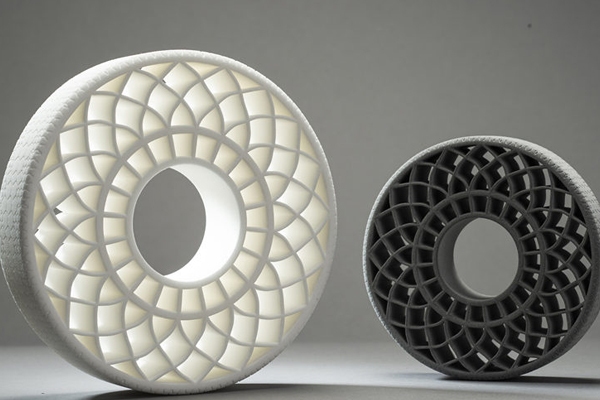
How Momaking Supports AI Jewelry Design to Manufacturing
From an Image or Concept to a Reviewable Structure
At Momaking, we support an industrial-design workflow that can begin with a customer image or concept. Our verified process includes image processing, 3D modeling, structural analysis, visual feedback and user participation. For an AI-assisted jewelry inquiry, that scope can turn a creative direction into a reviewable structure and clearer engineering questions. It does not make the company a jewelry-only AI platform or replace the customer's specialist.
We keep the customer involved while proportions, interfaces and practical details are refined. The useful output is a shared direction with visible assumptions, not an unsupported guarantee about casting, wearability, gemstone performance or production results.
Handoff to 3D Printing, DLP Red Wax, SLA Resin, CNC or Molds
Our verified manufacturing categories include 3D printing, CNC machining, mold manufacturing and injection molding. The available project records also identify SLA resin and DLP red-wax material categories. These terms describe available categories for discussion; they do not establish universal jewelry-casting compatibility, burnout behavior, certification or yield.
Depending on the requirements, we can discuss a handoff involving 3D printing, CNC, molds or injection molding. The customer and relevant specialists must confirm dimensions, material compatibility, finishing, inspection and jewelry-specific casting requirements. This keeps AI Jewelry Design connected to a practical route without overstating what is verified.
FAQ
Q: Can AI replace a jewelry designer?
A: No. AI can broaden creative exploration and organize variants, but a jewelry designer remains responsible for aesthetic judgment, customer intent, material decisions, comfort considerations and approval.
Q: Can AI create a manufacturing-ready jewelry model from one image?
A: Not by itself. One image can start exploration, but hidden geometry, scale, interfaces, materials, tolerances and process fit require review and often iteration before a model is suitable for a physical route.
Q: Can an industrial design partner support a jewelry prototype inquiry?
A: Within the verified scope, Momaking can discuss structural design from an image or concept and connect a reviewed direction with 3D printing, CNC machining, mold manufacturing or injection molding categories. Jewelry-specific casting and material requirements still need project confirmation.