Jewelry teams comparing 3d print wax with castable resin are not choosing the final metal; they are choosing how a temporary pattern will be created, cleaned, invested and burned out. The best route depends on geometry, the foundry's process, iteration needs and the evidence available before a repeat casting. A wax workflow can be direct, while castable resin can fit studios organized around resin printing and controlled post-processing. Neither material is automatically better for every ring, pendant or sculptural part. The useful question is which pattern route gives the foundry a predictable handoff.
What 3D Print Wax and Castable Resin Actually Do
Wax Printing Technique Versus Resin Pattern Production
The wax printing technique creates a disposable pattern that represents the jewelry geometry before investment casting. In a typical additive workflow, a digital model is sliced into layers and the printer builds the form layer by layer. Resin follows a similar digital path, but the printed pattern normally needs washing, curing and a casting-specific burnout schedule selected by the foundry. That difference changes the work after the printer finishes, not just the material loaded into the vat.
The pattern is not the finished jewel. Sprues, supports, surface cleanup, investment, burnout and metal pouring remain separate steps. A studio should compare the complete route rather than a showroom sample. Questions about residue, thermal behavior and wall conditions belong to the foundry's validated procedure, because a generic material label cannot answer them for every flask, kiln or alloy.
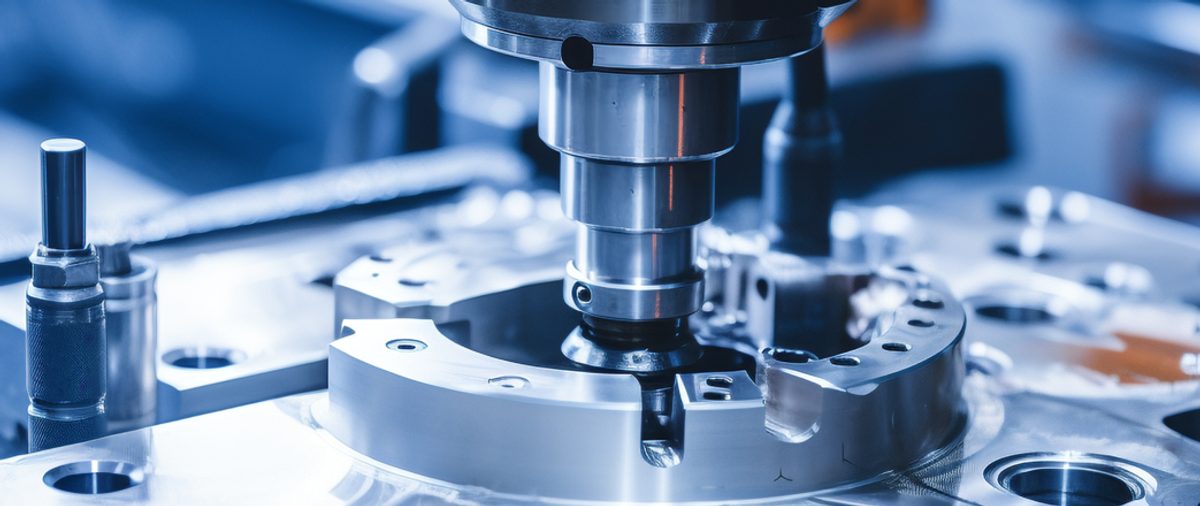
3D Print Wax Detail, Surface and Pattern Limits in Jewelry Casting
Fine prongs, pavé seats, hollow sections and sharp transitions require inspection from several views. A render can hide a thin wall, enclosed cavity or support mark that becomes difficult to finish. Review the digital model, printed pattern and cleaned pattern as related but different objects. Surface quality matters, but so do openings, escape paths, sprue placement and finishing access.
Castable resin may be attractive when a studio already has documented cleaning and curing controls. Wax may feel more direct when the operator wants a wax-specific pattern workflow. In both cases, the foundry should confirm whether the chosen geometry, investment and burnout sequence have been tested together. This evidence-first approach is more reliable than assuming that a material marketed for jewelry will solve every design or casting risk.
3D Print Wax Equipment Choices: 3D Printer for Wax or Castable Resin
What a 3D Wax Printing Machine Must Control
A 3D wax printing machine should be evaluated by the controls it gives the operator, not by the name on a product list. Useful checks include how the system handles fine features, supports, build orientation, material storage and repeatable exposure or layer settings. The operator also needs a clear path from the approved digital model to slicing, inspection and pattern release. A machine that produces a good-looking sample but leaves the team guessing about settings creates risk at the casting stage.
The workshop should document the model version, orientation, support strategy and any manual finishing. It should also keep failed-pattern notes, because a recurring defect may come from geometry or process rather than from the material alone. The verified material map identifies industrial 3D printing as a digital-model and slicing workflow and lists DLP red wax as one category; it does not establish a universal jewelry-casting specification for every machine.
When a 3D Printer for Wax Is Not the Whole Workflow
A 3D printer for wax is one part of a pattern route. After printing, the team may still need support removal, surface refinement, spruing, investment and a controlled burnout. Resin adds cleaning and curing steps that must be compatible with the investment and kiln procedure. These operations can affect fragile features, trapped material and the ability to reproduce a pattern consistently.
For procurement, ask the supplier or foundry to identify accepted file preparation, post-processing and inspection steps. Avoid selecting equipment solely because a listing uses the phrase “castable.” The meaningful comparison is whether the workflow has been reviewed for the intended geometry, alloy and production cadence. If a studio cannot describe that handoff, it is not ready to judge wax against resin on price or speed.
Wax vs. Castable Resin for Jewelry Casting: A Decision Framework
Choose 3D Print Wax or Resin by Pattern Complexity, Quantity and Iteration
Start with the product decision. One-off custom jewelry may reward a route that makes design changes easy to inspect. Repeated collections may reward stable settings, trained operators and a documented finishing routine. Complex internal geometry may require a prototype review before investment. A 3D print wax route can be practical when the team wants a direct pattern conversation, while resin may fit an established vat-printing workflow. These are tendencies, not fixed rules.
Quantity also changes what “better” means. A single pattern may prioritize learning and visual approval, while a related run may prioritize repeatability and file control. Cost comparisons should include failed prints, finishing labor, investment changes and defect investigation. Without those inputs, a lower material price does not prove a lower project cost.
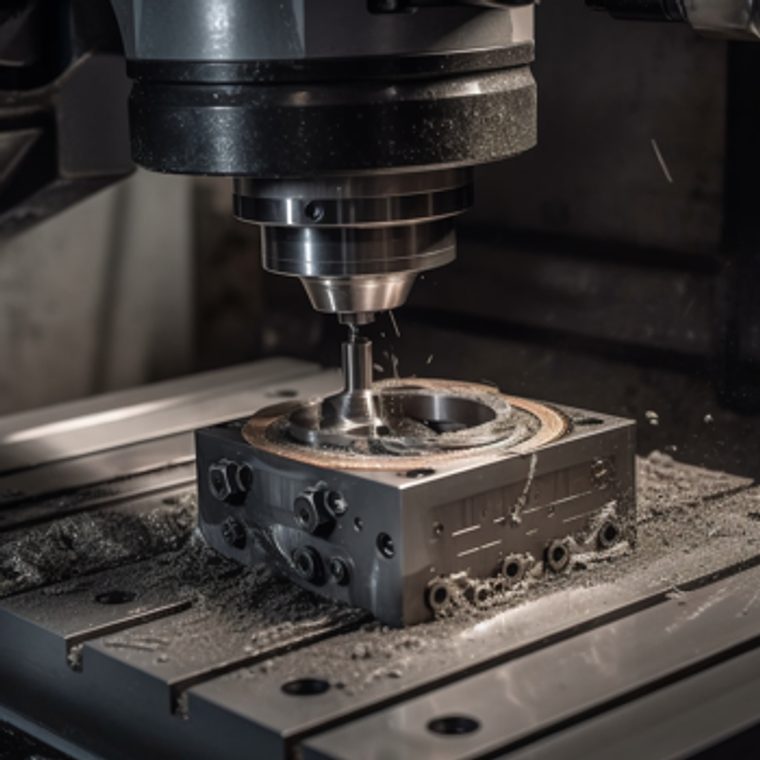
Evaluate a Casting Wax 3D Printer by the Full Handoff
When evaluating a casting wax 3D printer, request evidence for the actual handoff: model checks, support removal, surface preparation, sprue design, investment compatibility, burnout records and inspection of the cast result. The foundry should state which variables are fixed and which are adjusted for each design. A supplier that can only show a rendered model has not demonstrated casting readiness.
The same checklist applies to resin. Ask how the studio records cleaning, curing and rework, and handles changes to wall thickness or enclosed features. Wax and resin should be judged by the information and controls surrounding them, not a single photograph. A disciplined review gives designers a chance to simplify geometry before a defect becomes an expensive casting lesson.
How Momaking Supports 3D Printing Material and Manufacturing Decisions
Verified DLP Red Wax and SLA Resin Categories
At Momaking, we can discuss verified 3D-printing categories that include DLP red wax and SLA resin materials. Those process-material pairings do not make a blanket claim that every red-wax or resin output is certified for every jewelry foundry. For a project inquiry, we would need the pattern geometry, intended alloy, foundry constraints and inspection expectations before discussing a suitable route. That keeps 3d print wax advice tied to a real process instead of a generic promise.
From 3D Print Wax Concept Review to a Suitable Manufacturing Route
Our structural-design workflow can start from an image or design concept, use 3D modeling and structural analysis, and incorporate customer feedback before a manufacturing route is selected. We can connect a reviewed direction with 3D printing, CNC machining, mold manufacturing or injection molding categories when those processes fit the part. For jewelry casting, the customer and foundry still own the investment and burnout decision. Momaking's role is to make the design handoff clearer and help identify the next manufacturing question.
FAQ
Q: Is 3D print wax always better than castable resin?
A: No. The better choice depends on geometry, the foundry's validated burnout and investment procedure, iteration needs and the evidence available for the complete workflow.
Q: What should a 3D printer for wax buyer ask a supplier?
A: Ask for the accepted model-preparation steps, support strategy, post-processing instructions, inspection method and examples of the handoff into the intended foundry process. Do not rely on the label “castable” alone.
Q: Can Momaking confirm whether a casting wax 3D printer fits my foundry process?
A: Momaking can review the available design and discuss verified DLP red wax, SLA resin and manufacturing categories. The foundry must confirm material compatibility, burnout conditions and acceptance criteria for the specific project.