How CNC Machining Technology Is Reshaping Modern Manufacturing
What Makes CNC Machining a Cornerstone of Industrial Innovation?
CNC machining technology stands as one of the biggest advances in current industrial engineering. This process involves subtracting materials with the help of computer numerical control. Engineers program and guide the tool's path to create diverse, intricate parts with great accuracy. Such automation cuts down on the inconsistencies seen in hand-operated tasks. Thus, it lets producers reach superior precision and reliable results.
Linking this technology with CAD/CAM setups provides smooth shifts from virtual designs to actual items. Using quick high-speed machining centers and sophisticated multi-axis controls, makers can form detailed shapes that old tools could not handle. The outcome is a method that boosts uniformity, lowers mistakes by people, and fosters fresh ideas in fields from aviation to everyday gadgets.
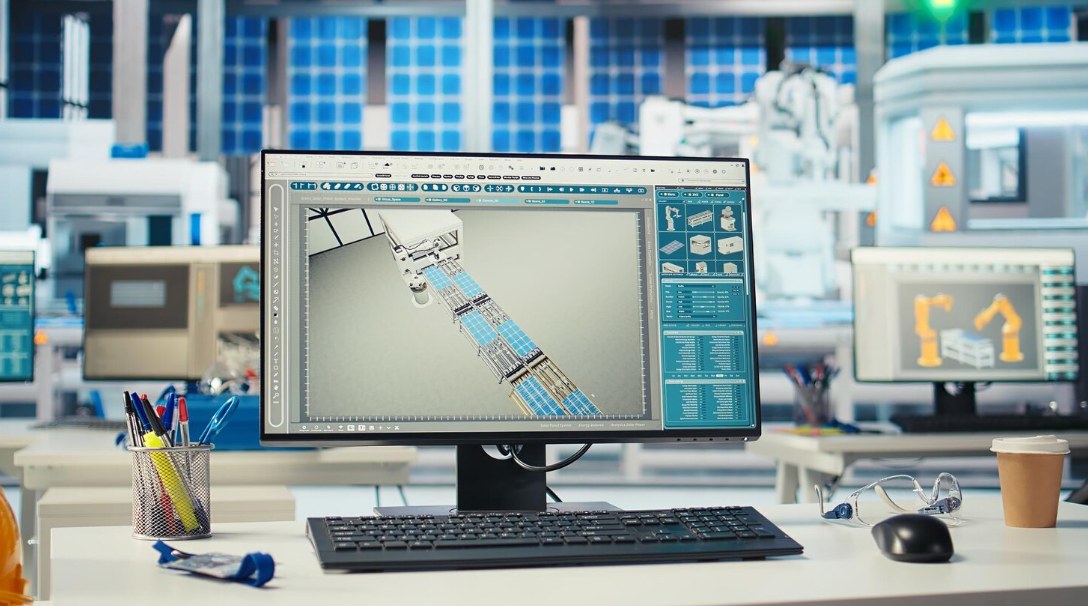
The Evolution of CNC Machining in the Manufacturing Landscape
The background of CNC machining goes back to basic numerical control setups. Over time, these grew into the smart platforms we see today. CNC machining technology is an automated mechanical process controlled by computers. It pairs pre-set programs with machine tools to carry out tasks like cutting, milling, and engraving automatically. As computer strength improved, the features of CNC gear became more advanced.
Today's setups now blend artificial intelligence (AI), Internet of Things (IoT) links, and instant monitoring features. These additions support forward-looking upkeep, flexible path adjustments for tools, and ongoing response systems. They enhance both output and eco-friendliness. The rise of high speed machining techniques has sped up creation times. At the same time, it keeps remarkable exactness.
Key Advantages of CNC Machining Technology in Production Efficiency
How Does CNC Machining Improve Accuracy and Consistency?
CNC machining guides the machine tool's motion exactly via computer codes. It sets the tool route and cutting details with care. This leads to placement exactness of ±0.005mm. Such levels offer top-notch detail in big batches. Auto-adjustment systems cut part differences. They ensure steady quality, even in tough builds like aluminum CNC milling or titanium parts for planes.
Setups with multiple axes—such as 3-axis, 4-axis, and complete 5-axis—allow moves on several levels at once. This suits detailed forms. These arrangements work well for CNC milling aluminum or building custom CNC cutting enhancements. There, tricky outlines need total exactness.
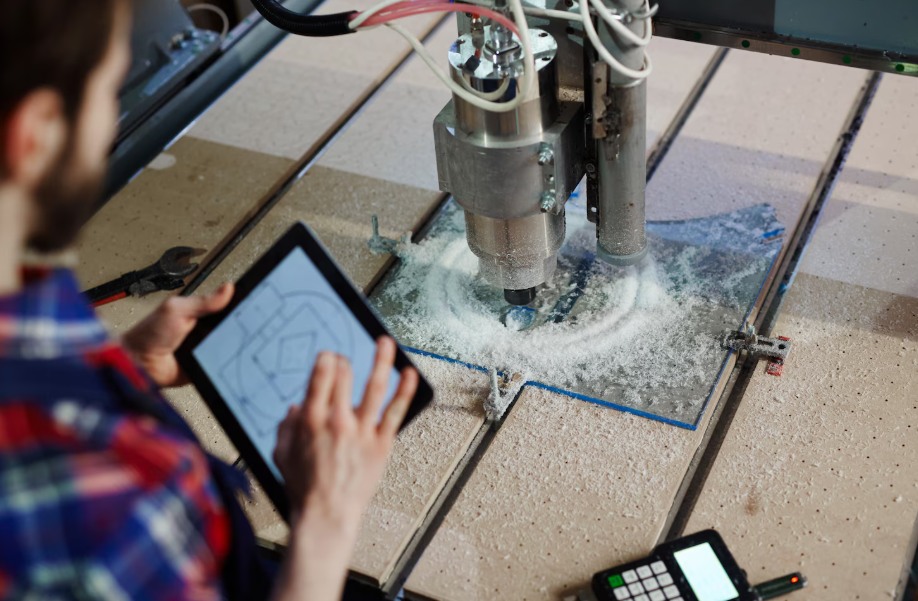
Enhancing Productivity Through Automation
Automation forms the core of CNC's effectiveness. CNC machining can also employ semi-automated or fully automated ways to build hardware pieces. You can link CNC machining gear with robotic tech. This automates every step in making, which aids in lifting output. These auto systems run nonstop with little oversight. They fit perfectly in high-speed milling machine settings, where active time ties straight to gains.
Forward-thinking formulas watch spindle condition and cutting setups to lessen stoppages. Paired with better cooling methods and tuned feed speeds, high-speed CNC milling gains quicker flow. Yet, it holds onto size reliability.
Material Flexibility and Versatility in Design
Commonly Used Materials in CNC Machining
Aluminum Alloy 6061, Aluminum Alloy 5052, and Aluminum Alloy 7075 rank as top choices. Their good balance of strength and light weight, plus ease of working, make them great for aluminum machining or aluminum milling jobs. Stainless steels like 304 or 316L provide rust resistance. This proves vital for health or sea-based uses. Meanwhile, plastics such as ABS or PEEK give light options for device covers.
Design Freedom Enabled by Digital Precision
The computer-based side of CNC machining lets creators try bold structures without tool limits. Quick model-making via aluminum CNC machining speeds up trial phases. As a result, experts can polish plans well before large-scale production starts.
The Integration of CNC Machining with Emerging Technologies
How Is Smart Manufacturing Influenced by CNC Systems?
Smart making uses ties between devices and the web to make better choices. CNC machining technology drives smart manufacturing. Sensors linked to IoT gather live action info from each high-speed machining center. AI-based reviews tweak settings on the fly for best results.
These tools enable far-off checks or flexible planning based on current states. This serves as a main plus in adaptable making spots like CNC machining for telecommunications. There, fast reactions matter a lot.
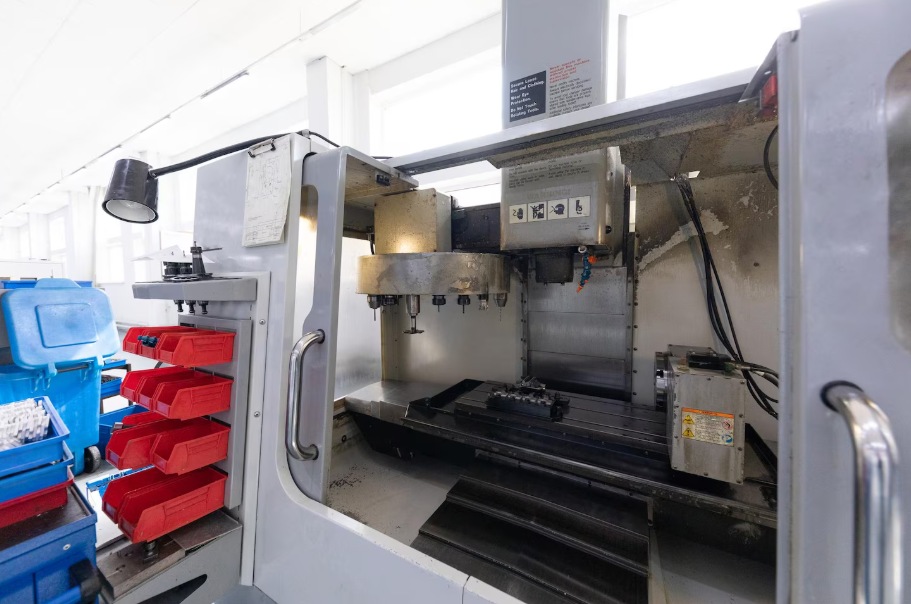
Sustainable Manufacturing Through Precision Engineering
Exact engineering aids green goals right away by cutting waste and resource use. Tuned tool routes lessen leftover bits in aluminum milling work. Energy-saving motors drop power needs in plants. Balanced cutting power leads to longer tool life. This cuts how often replacements happen. It forms a key part of earth-friendly factory habits.
Applications Across Industries: Where Is CNC Machining Making the Greatest Impact?
Aerospace and Automotive Components Production
In plane making, allowed gaps often hit microns. So, CNC turning parts like turbine blades rely on high-speed CNC machining detail. Car fields gain in the same way. They make engine blocks or gear housings through CNC aluminum machining steps. These ensure lasting strength and less weight.
Electronics, Medical Devices, and Consumer Products Manufacturing
Miniaturization Enabled by Micro-Machining Techniques
Tiny-scale building has become essential for small items like links or operation tools. With tiny tools in a high-speed machining setup, makers get very fine slices on metals or synthetics. They keep sleek ends, which suit touchy uses.
Customization in Consumer Goods Production
Digital flows allow quick tailoring without high retool costs. From unique add-ons to body-fit devices, makers can create small groups well. They use aluminum CNC milling or mixed add-and-subtract methods. These blends bendability with detail.
Momaking: A Trusted Provider of Advanced CNC Machining Solutions
What Sets Momaking Apart in the Field of Precision Manufacturing?
At Momaking, we mix fresh ideas with dependability at every production step. Rapid prototyping and batch production. Minimum order quantity of 1 piece, delivered in as fast as 2 days. Intelligent quoting system, quote in 3 seconds, 100% full inspection before delivery, worry-free quality. Our sites blend multi-axis devices. They manage complex forms under strict limits with cutting-edge high-speed machining methods.
We focus on both metal and plastic buildings. This covers CNC aluminum milling parts for car motors to plastic models for gadget tests. All get backing from smart making setups that promise steadiness in volume.
Product Offerings and Technical Capabilities of Momaking
Core Product Categories Offered by Momaking
Our main services cover exact metal pieces for cars, planes, and factory machines. They also include plastic models tuned for fast growth cycles. CNC Turning 3-axis, 4-axis, and full 5-axis machining gives bendability. It works for one-off models or large runs.
Commitment to Quality and Innovation
We hold strict check rules matched to world standards. This guarantees size exactness in all results. Steady spending on gear updates keeps our high-speed CNC milling systems leading trends. Our smart quote tool simplifies project starts in moments.
FAQ
Q: What industries benefit most from CNC machining technology?
A: CNC machining aids areas like aviation, cars, health tools, gadgets, telecom, and power. It gives exact parts that fit various materials, including metals and plastics.
Q: How does CNC machining differ from 3D printing?
A: Both use digital plans. Yet, CNC subtracts material from a solid chunk. It suits tight limits in aluminium machining. Additive making adds layers bit by bit. It offers more shape freedom but rougher surfaces.
Q: Is CNC machining cost-effective for small production runs?
A: Yes. Bendable coding plus low prep time fits models or small orders. Repeatability brings steady outcomes without the high tool shifts common in old ways like pouring or shaping.