How to Approve the Finish of an SLA Appearance Prototype
An appearance prototype can win approval in one meeting and disappoint in the next because “good finish” meant something different to each reviewer. Buyers using SLA resin need a visible, measurable approval record before ordering more parts. The decision is not which 3D printing process is fashionable. It is whether a specific prototype represents the intended color, surface and assembly well enough for the next design step.
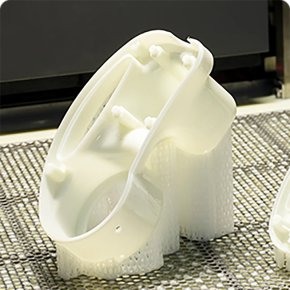
Define the job of the sample
Write down what the prototype must prove. Is it a form study, a sales presentation piece, an ergonomic model or a part to test fit with neighboring components? An appearance sample may need a clean visible face but no production-grade strength. A fit sample may need controlled interfaces while minor cosmetic marks are acceptable. If those goals are mixed, reviewers can reject a useful part for the wrong reason.
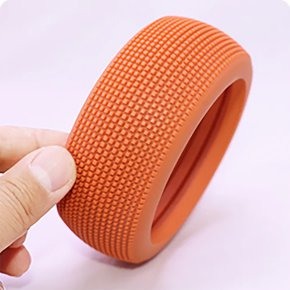
Mark critical and noncritical faces
Use the drawing or 3D model to identify the surfaces people will see and touch. Mark hidden faces, mating features and areas where a support mark would be unacceptable. Ask the supplier to review the chosen build orientation and post-processing plan against those marked faces. A photograph of another printed part cannot establish what the current geometry will look like.
Pick the resin by intended review
Momaking's 3D printing service includes SLA resin options for appearance and detailed prototype work. Its material list separates standard, semi-transparent, transparent and higher-temperature resin choices. Those are different material candidates; a buyer should not expect one sample to demonstrate all of their properties. Select the material that fits the particular review, then confirm the current material specification and quotation.
| Review goal | What to specify | What to inspect on arrival |
| Shape and presentation | Visible faces and target appearance | Surface consistency and overall form |
| Assembly fit | Mating features and critical dimensions | Actual fit with neighboring parts |
| Translucent effect | Selected resin and desired visual reference | Appearance under planned lighting |
| Color or coating | Approved sample and finishing route | Match to the agreed reference |
The table is a review plan, not a promise that any one resin will satisfy every goal. If the part will face heat, moisture or repeated handling, request material data and a test plan appropriate to that use. An appearance prototype should not silently become a functional qualification sample.
Agree how the finish will be judged
“Smooth” and “premium” are hard to approve consistently. Define the viewing distance, lighting and reference sample. For a consumer-facing enclosure, reviewers may inspect the front face at normal handling distance; for a hidden bracket, visual polish may matter little. Photograph the approved sample under the same conditions used for later comparisons.
Separate print texture from added finishing
An SLA print may be cleaned, cured, sanded, painted or otherwise finished according to the chosen service. Ask which steps are included in the quotation and which would be a separate operation. If a painted finish is required, specify the target color and visible face rather than asking only for “painted.” The supplier should confirm what is feasible on the exact geometry.
Do not rely on a digital rendering as the sole color reference. Screen settings can change perceived color, and transparent or semi-transparent parts can look different under different backgrounds. Where appearance is commercially important, approve a physical reference and retain it with the drawing revision.
Measure the interfaces that matter
The sample may look right while a cover does not close or a fastener does not fit. Put critical dimensions and mating features on the drawing, and identify how they will be checked. A request for “high accuracy” is too broad to guide inspection. Ask the supplier to discuss process capability for the chosen geometry and material before setting a tolerance.
Use the actual neighboring components during the fit review. If the design is revised after the first print, label the new model and sample clearly. A finish approval for version A should not be read as a fit approval for version B. Keep cosmetic and dimensional decisions on separate lines of the record. When several reviewers are involved, assign one person to consolidate comments so the supplier receives a single controlled change list rather than conflicting markups.
Prepare a repeatable order handoff
Momaking's material selector and surface finishing options can help a buyer frame a shortlist. The final handoff still needs the exact CAD revision, material, quantity, finishing description, critical faces and acceptance method. A quote generated from a file does not capture every visual expectation unless the buyer writes them down.
Before ordering another sample or a pilot batch, retain:
· A controlled CAD and drawing revision with visible faces marked.
· The selected resin and any separate finishing operations.
· A physical or photographed appearance reference with viewing conditions.
· Critical fit dimensions and the parts used to test them.
· A decision log that distinguishes approved, rejected and still-open items.
The practical next step is to approve one prototype for a defined purpose, then use that record to request the next iteration. If the prototype is only for appearance, say so; if it must prove fit, state the interfaces. To review an SLA sample brief with material and finish options, contact Momaking with the model revision and acceptance points.
FAQ
Is an SLA appearance prototype ready for functional testing?
Not automatically. Define the load, environment and repeated-use conditions separately, and confirm whether the selected material and process are appropriate.
Should a rendering be the color standard?
Use a physical reference when color is critical. A rendering can guide discussion, but display and lighting differences can alter the perceived result.
What is a critical face?
It is a surface whose appearance or dimensions affect the intended review. Mark it on the drawing so print orientation and finishing can be discussed clearly.
Can the finish be approved without checking fit?
Yes, if the sample's purpose is only appearance. Record that limit explicitly so the approval is not mistaken for assembly acceptance.
What should accompany a repeat order?
Send the approved model revision, material, finish reference, quantity and the inspection points that made the earlier sample acceptable.