“Colour approved” is easy to type and surprisingly hard to interpret later. Does it approve the grey finish only, or release the complete prototype? Set the reference and the scope while the sample is still on the table. Name the surfaces, appearance features and separate dimensional checks. The next team then receives a decision tied to this part, rather than a two-word message that can expand in meaning.
Decide what the colour reference represents
Give the reference an identity that survives the meeting. Record the physical swatch or code, the project and the faces it represents. “Approved grey” on a loose card is not enough when another sample arrives weeks later. A label, date and part reference keep the comparison anchored.
Appearance requirements should include more than the colour name when those differences matter. Identify the intended gloss and texture alongside the colour target. Momaking offers prototype colour matching discussions using colour references. Confirm the proposed material and finishing route for the actual project instead of treating a code alone as a complete description of the finished surface.

A flat swatch has a defined role
A flat swatch can serve as the agreed appearance reference without standing in for the whole part. State which colour, gloss or texture characteristics are being reviewed on it. If the project also needs approval on the shaped component, keep that as a separate step. The swatch should carry only the authority the team intended to give it.
Keep appearance and geometry in separate approval fields
The geometry review needs its own criteria and identity. Use the relevant drawing, specified dimensions and interface requirements for the part being inspected. Colour acceptance does not settle those requirements. Equally, a part that fits its counterpart can still await a decision on the external appearance.

The starting component also needs to remain identifiable. When reviewing a CNC prototype component, connect the finish sample to its actual material and part reference. An appearance decision made on one sample should not automatically become approval for a different substrate or process. Ask for confirmation when the intended production route changes.
| Review item | Reference to identify | Decision to record |
| Colour | Physical sample or agreed code | Accepted target or specific difference |
| Gloss | Named reference under agreed conditions | Intended surface appearance |
| Texture | Relevant sample face | Area and treatment covered |
| Shaped component | Part and surface labels | Appearance accepted on those faces |
| Geometry | Separate drawing and inspection record | Dimensional status remains explicit |
Use explicit entries to keep accepted and open items visible:
• Appearance status: the reference, surfaces and conditions accepted.
• Dimensional status: the drawing and inspection decision.
• Open items: the particular point still awaiting review.
A conditional approval needs to say what is still open. “Texture accepted; colour sample required” gives the next person a more useful instruction than a green tick on the photograph. If only selected faces are accepted, name them and leave the recess or edge awaiting review. The part can then progress only as far as the actual decision allows.
Agree the viewing conditions before comparing samples
Two people can look at the same sample and describe different results if the room changes. Agree the light, background and viewing position before comparing pieces, and write those conditions into the review record. That is a project arrangement; it does not create a laboratory tolerance or a colour number that the brief never supplied.
A photograph is useful for pointing to a surface or showing which sample was reviewed. Whether it can carry an appearance approval needs a separate agreement. Keep the image tied to the physical reference, and settle any limits of remote review before sending the approval message. Otherwise the next team may work from an image that nobody intended to make the standard.
Inspect the appearance on the shaped part
A finished component allows the team to inspect the intended appearance on its actual faces. Mark which surfaces are included in that review, especially where an outer face meets a recess or edge. Keep comments specific to the observed area. “Approved” across an entire photograph can conceal an unresolved surface that was never examined.
The record should describe an observation before requesting a change. “Too dark beside sample A under the agreed light” is more useful than “colour wrong.” Name the reference and affected surface so the next sample addresses the same comparison. Avoid approving a general change without confirming what it is meant to correct.
Keep the reference stable through the next sample
The accepted reference needs to be available when the next piece arrives. Keep the physical sample where practical, label the later sample and compare it with the same reference. If the team deliberately replaces that reference, record the decision and the appearance characteristic that changed. A new file date alone should not give a photograph that authority.
The next review should focus on the requested correction. Keep accepted and unresolved characteristics visible so a new colour decision does not reopen every dimension by implication. If a process or material has changed, explicitly ask whether the previous appearance reference still applies. That question is more useful than assuming that an unchanged colour name means an unchanged result.
Project discussions can draw on Momaking's prototype material options, but the chosen combination needs confirmation for the actual part. Keep the agreed reference linked to that combination. General availability of materials does not establish an exact appearance match for every finish.
Approve the appearance without obscuring the part status
A useful colour approval leaves little room to guess: this reference, these viewing conditions, these accepted surfaces. Record the dimensional decision beside it and name anything still open. The next person can act on that specific instruction without treating an appearance decision as approval of the whole prototype.
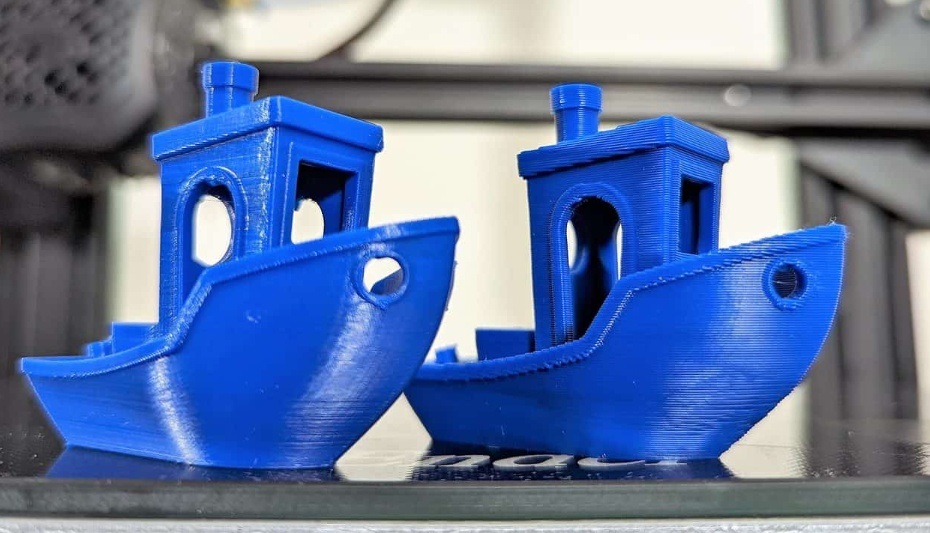
Send Momaking the appearance brief with the colour reference, intended material and separate dimensional requirements for the prototype.
FAQ
Q:Does a colour code define the entire surface appearance?
Also identify any relevant gloss and texture requirements. Confirm the proposed material and finishing route rather than leaving those choices implicit.
Q:Can a swatch approve the complete shaped component?
Give the swatch a stated role. If appearance on the actual geometry needs review, record that separate decision on the identified component.
Q:Is a photograph an agreed physical reference?
Only when the project explicitly accepts that role and its limits. Keep the physical sample identifiable where physical comparison is required.
Q:Can colour approval release dimensional inspection?
Keep the decisions separate. Record geometry against its own requirements and show whether that review is accepted, conditional or still open.
Q:What makes a conditional appearance approval useful?
Name the accepted characteristic and the unresolved difference. Identify the reference, relevant surfaces and requested correction so the next review has a clear purpose.