Customers frequently ask us a simple question. Should a certain part go through 3D printing or CNC machining? They also want to know if AI can decide this for them. We always start by examining the component itself. What is its true purpose? Which dimensions need to remain strict? What type of material do you require? Lastly, what will we check after the item is complete?
AI works well for sorting data. It also assists us in comparing various options. Still, it cannot turn loose ideas into a solid production plan by itself. Moreover, 3D printing and CNC machining follow completely different guidelines. Because of this fact, you cannot view the exact same software output as equally useful for both techniques.
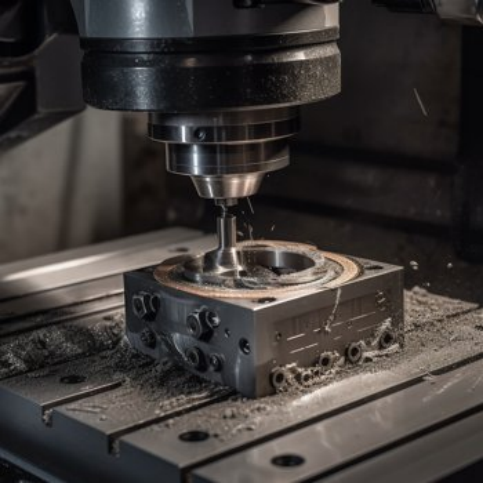
The difference starts with the physical process
Additive manufacturing creates an item layer by layer. Various elements participate in this regard. Showing more Complex Structures These contain part orientation, guide constructions and what kind of material is used. In fact, machine settings and production records are very important as well. On the other hand, CNC machining begins with a solid piece of raw material. It then wipes segments based on a hard setup along with an accredited plan — clamping the workpiece securely is a must for this. Choosing the Right Datums You need to also clear your tool, know machine limits and run proper checks to be a part of that success.
Since these techniques differ, we have to ask distinct questions. For a printed object, we might discuss how to orient the model. We also need to identify which zones need inspection after printing. For a machined component, we must clearly understand the raw stock and the datums. We also require facts regarding the cutting tools, the machine setup, and the newest drawing version. A general statement about "AI manufacturing" simply misses these fine details.
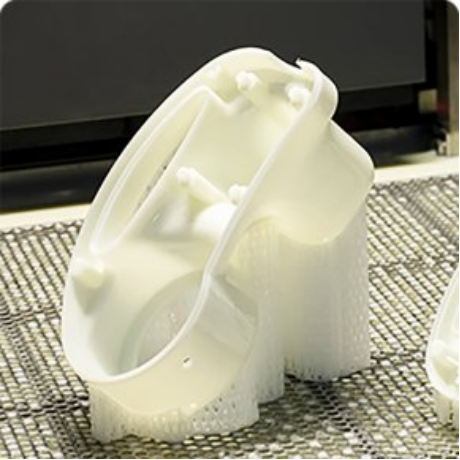
What AI can help us review in 3D printing
A digital file is merely one part of a 3D-printing job. Our team might also need facts about the material and the build orientation. Support structures, machine settings, and a clear measurement plan are required as well. AI can definitely assist us in comparing these items. It might even highlight a particular problem for us to investigate. However, human operators still need to connect any proposed idea to the real function of the part. They must also link it to the selected production route.
The NIST AI for Additive Manufacturing project discusses multiple advanced subjects. These involve sensors, physical measurements, and digital twins. It also looks into machine learning, reference data, and methods to confirm results. We see this as a very useful engineering lesson. Any technical forecast needs a reliable source. It also requires a good testing method. A basic machine alert might prompt a closer look. Still, it does not ensure that a finished product will satisfy all your needs.
Whenever we examine a 3D-printing order, we divide the check into two stages. First, we review the geometry. Next, we review the process. Does the digital model feature the correct interfaces and clearances? Can the selected technique actually form these exact traits? Furthermore, which precise dimensions or features will we measure afterward? The answers must match the newest document version. This practice guarantees that our design, production, and quality groups all rely on the exact same information.
What changes for CNC machining
CNC work depends on its own special set of decisions. A physical setup holds the raw material. A written code directs the cutting equipment. The tools and cutting speeds have to suit both the material and the available machines. An AI tool can be very useful in this area. It can review old records, spot strange signals, or compare different planning routes. Even so, a real person must confirm every suggestion. They have to compare it against the technical drawing, the holding method, the machine limits, and the testing plan.
We never market our public services as fully automated CNC control. We also do not guarantee instant toolpath generation or live machine adjustments. Those represent highly specialized skills that demand strong proof. Our CNC machining service is merely one of the production options we provide for custom jobs. The real setup and the active program always depend on the specific part. They also rely on the officially approved production documents.
Imagine a computer system alerts us about possible tool wear. We would record that warning immediately. Then, we would physically inspect the condition of the tool. Lastly, we would document our final action. A system alert is just a reminder to look closer. It is certainly not a free pass to change a cutting program without a thorough human check.
A side-by-side check
The table below acts as a simple starting point for our talks. It is not a rigid qualification rule.
| Route | Inputs we must identify | Outputs we must verify |
|---|---|---|
| 3D printing | Newest model, material type, part orientation, support structures, process data, and testing plan | General geometry, material condition, precise dimensions, and functional tests |
| CNC machining | Newest drawing version, raw stock, clamping setup, datums, cutting tools, machine limits, and the code program | Feature dimensions, surface finish requirements, datum links, and final testing records |
The right passing criteria always depend on the individual part. We save the document version and the testing evidence together. Because of this habit, any future advice can be easily traced back to the original facts that formed it.
Another practical difference exists between these two routes. The useful baseline is simply not the same. For a printed object, we might compare the recommended orientation against an older, successful build. We can do the same thing for the process records. For a machined part, we might evaluate a new setup concept against the blueprint. We would also review it against the code version and previous testing logs. In both cases, this matching effort only works if we clearly understand the original source.
How we would test an AI-assisted idea
At Momaking, we always prefer to run a small test first. We perform this on a part that has very clear requirements and a proven inspection process. The officially approved manufacturing method stays completely unchanged. At the same time, we compare the new, AI-suggested outcome against our normal result. We carefully write down anything that was missing. We also record what needed correction and which questions remained unanswered.
Our AI-assisted design service can turn a basic sentence or an image into a solid 3D model. This model is then ready for prototyping, exactly as our English website describes. Yet, to plan a production route safely, we still require more details. We have to know the functional goals, critical dimensions, and material expectations. We also need the order quantity and the approved document version. Our manufacturing overview showcases our design work, online quoting, CNC machining, and 3D printing. It also explains our prototype-to-low-volume choices. In the end, the final manufacturing decision is always customized to the specific part.
Frequently Asked Questions
Q: Can AI choose 3D printing or CNC machining for us?
It can definitely help organize the comparison. However, the ultimate decision still depends on the geometry, material type, and tight tolerances. It also relies on the order quantity, part function, and testing guidelines. We use all these small details to map out a proper workflow. We never view a simple AI suggestion as the absolute final answer.
Q: Can AI generate a CNC toolpath or change machine settings automatically?
Our published service descriptions do not guarantee automatic toolpath generation. They also do not provide live CNC control. Any proposed code or workflow change has to go through a rigorous review. The responsible engineering or machining personnel must inspect it carefully before actual application.
Q: What should we send for an AI-assisted 3D-printing discussion?
Please supply the newest digital model or drawing. Also, include the intended purpose of the part, critical dimensions, and your preferred material. We also have to know the expected order quantity and the specific zones that need testing. Please point out any assumptions very clearly. This step allows us to evaluate a suggested design or production method against your precise needs.