When you submit a sketch for a custom part, we don't start by asking about AI drawing capabilities. Instead, we ask about the function of the part. We need to know where it connects. We also identify the fixed dimensions. These specific answers determine if a digital concept can successfully become a physical prototype.
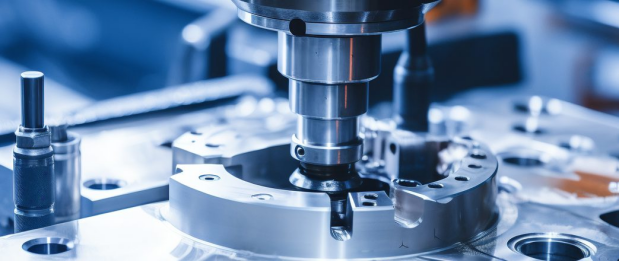
AI adds value to this dialogue. It assists our team in exploring various shapes. It also organizes production details. Furthermore, it highlights specific areas requiring deeper inspection. However, AI cannot approve technical drawings. It never selects materials independently. It also does not inspect the completed components for our quality control.
A small, clear job works best
Requesting us to “make our factory intelligent” is simply too vague. A highly effective starting point is much narrower. For instance, you might compare two distinct production schedules. You could also review a suggested geometric shape. Another option is flagging abnormal data from a manufacturing process. This approach allows us to track the input data clearly. We can observe the exact output of the tool. Finally, we determine the right person to verify the outcomes.
The NIST AI for Manufacturing program highlights several practical examples. These include production scheduling, system integration, and preventive maintenance. We view these specific categories as excellent testing grounds. However, they do not guarantee that every single manufacturing supplier provides all these capabilities.
Before any trial, we define the core decision in a single sentence. Stating “suggest a shape for engineering review” provides clear direction for the team. Conversely, a phrase like “improve production” lacks actionable meaning.
This identical rule applies when multiple departments collaborate on a project. The design team might utilize a basic concept image. Meanwhile, the purchasing department relies on a formal quotation. The production staff works directly from a technical drawing. An AI tool might receive conflicting versions of these inputs. If this happens, its generated answer cannot be accurately compared against the final manufactured part. Therefore, we always maintain clear visibility of the source file. We also track the exact revision date and the assigned reviewer before evaluating the results.
A generated model still needs a human handoff
A majority of initial design inquiries lack complete details. A simple photograph displays the general shape. However, it fails to reveal the mating surfaces or precise tolerances. It also omits material requirements and load capacities. A brief text description might outline the main function. Yet, it frequently leaves critical dimensions undefined.
On our English homepage, we detail a specialized AI design service. This tool converts a basic sentence or image into a 3D model suitable for prototyping. Furthermore, we integrate design data, pricing quotations, and production details directly into our online custom manufacturing services. When you submit a new concept to us, we still require your exact dimensions. We also need to understand the intended application. Finally, we must have the specific drawing or file that dictates the officially approved revision.
This generated model facilitates our initial discussions about your idea. However, its visual appearance does not guarantee manufacturing readiness. Not every feature will suit every machining process. Within an AI CAD modeling workflow, we maintain strict record-keeping. We group the original client request with the geometric assumptions. We also link these items directly to the final approved revision.
This straightforward tracking method prevents frequent industry errors. For example, a hole location might shift after the initial quotation. One engineer updates a specific file. Then, the production floor accidentally opens an older version. In this scenario, the root problem is poor revision control. It is absolutely not a failure of the AI model itself.
Separating a basic suggestion from an authorized change is highly beneficial. A simple suggestion remains stored for future team discussions. Conversely, an approved modification demands a documented reason. It requires a specific owner and a completely new revision number. This minor administrative distinction is vital. It stops a casual experiment from accidentally turning into a binding production instruction.
Planning is still a responsibility
An AI scheduling recommendation might look appealing at first glance. However, we must comprehend the variables it analyzed. Did the system evaluate the current active jobs? Did it check available equipment and raw material stock? Did it verify the latest design revision? If it missed these factors, the recommendation remains incomplete. It only transforms into a valid work instruction after a responsible human manager explicitly approves it.
This identical logic applies to automated monitoring alerts. We must clearly identify the specific condition behind the warning. We need to trace the exact measurement that triggered it. Additionally, we must establish a procedure for investigating potential false alarms. A visually clean software dashboard does not automatically prove the accuracy of the underlying sensor measurements.
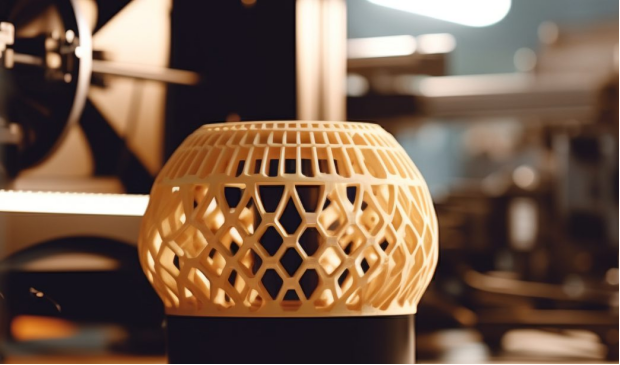
In the context of additive manufacturing, NIST’s AI2AM project explores several critical components. It covers physical sensors, precise measurements, and digital twins. It also examines reference data alongside verification and validation protocols. We interpret this research as a highly practical guideline. The entire pathway from raw data collection to the final production decision must remain completely transparent.
These particular examples outline standard industry evaluation techniques. They do not represent fully automated machine control systems. They also do not signify proprietary inspection setups or guaranteed performance improvements at Momaking. Our public web pages outline available design and manufacturing capabilities. We strictly limit our marketing claims to match this documented evidence.
How we would test an idea
We typically select a single recent component featuring very clear technical requirements. The officially approved production pathway remains active. Meanwhile, we compare the newly proposed AI output against this established baseline. During this phase, we meticulously document any missing data inputs. We also record necessary manual corrections and specific questions that the software tool failed to resolve.
Regarding custom inquiries, our manufacturing overview highlights several key solutions. It features AI-assisted design paired with CNC machining and 3D printing. We also offer rapid online quotation and prototype-to-low-volume services. We are happy to discuss the journey from initial concept to formal inquiry. Ultimately, the selected manufacturing process and final production file depend entirely on the specific part.
Occasionally, an initial trial reveals significant missing information. This outcome is actually highly valuable. It allows us to refine the project brief. We can gather a more accurate baseline dataset. Alternatively, we might determine that the specific task requires a totally different approach. A truly responsible AI project can successfully conclude by generating a clearer question. It does not need to end with a forced or exaggerated automation claim.
Frequently Asked Questions
Q: Can an AI model go straight into production?
Our engineering team must verify the physical dimensions first. We also check the interfaces, selected materials, and the intended machining process. Finally, we confirm the approved revision status. A generated model serves as a great starting point for prototype discussions. However, it rarely functions as a fully complete manufacturing specification out of the box.
Q: Where else can AI help?
Production scheduling and system integration are very common research fields. Equipment maintenance and process monitoring also benefit from this technology. We always define the specific task clearly. Then, we assign a qualified human reviewer. This happens long before any software recommendation alters an actual production decision.
Q: What is a sensible first project?
You should select a single task possessing a clearly defined requirement. Ensure it has an established review methodology in place. Next, compare the digital output against that strict requirement. Carefully record all necessary manual corrections. This structured process provides us with concrete evidence regarding the task itself.