The AI impact product design industry in 2026 question is often framed as a simple job-loss prediction. Product teams face a more practical change: AI is moving repetitive production work earlier in the workflow, while problem framing, user understanding and accountable decisions become more visible. The debate needs two lenses. Which tasks can a system draft or automate, and which decisions still require a designer who understands people, constraints and consequences? AI is best treated as an accelerator inside a governed process, not as an autonomous owner of product direction.
What the AI Impact on the Product Design Industry Looks Like in 2026
AI Product Design Automation Targets Repetitive Execution First
Generative tools can create early visual options, common interface layouts, draft assets and rough prototypes from a brief. They help teams see alternatives before detailed work. This is the most visible part of the AI impact product design industry in 2026 because output can be produced quickly and compared on a screen. Yet a draft is not a validated product decision. Teams still need to check whether an option solves a real problem, fits the brand and remains feasible.
Automation is most useful when the task has a clear pattern and a human can review the result. A system may cluster feedback, suggest themes or generate a starting layout. It does not know which customer pain deserves investment, which requirement is non-negotiable or which compromise will damage trust. The role shifts from making every first artifact manually to directing and improving more possibilities.
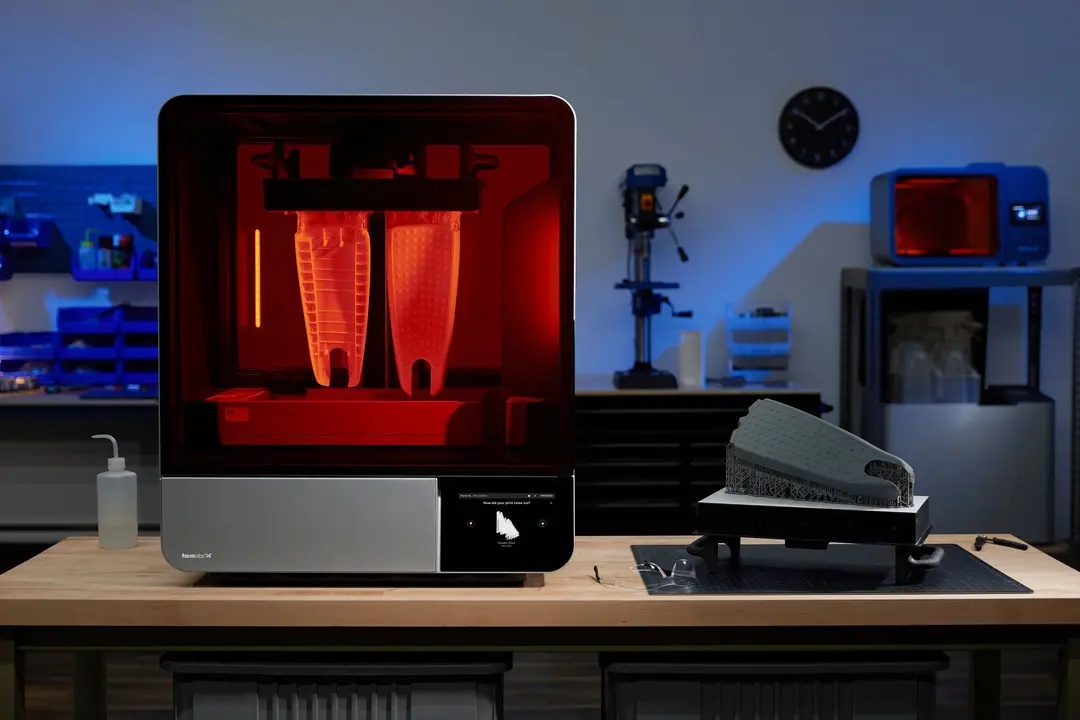
AI Impact on Product Design: Human Judgment Sets the Brief and Trade-Offs
Product design begins before a frame or model exists. Someone must define the problem, understand user context, balance safety and privacy, and explain why a feature should exist. Taste is not only visual preference; it is judgment built through observation, failed launches, stakeholder conversations and knowledge of a particular audience. Those experiences help a designer notice when a polished result feels wrong or when a technically possible feature creates a poor outcome.
AI can recommend a familiar pattern, but familiar is not always appropriate. A designer must question the recommendation, test assumptions and communicate a decision to engineering, marketing, operations and leadership. This human accountability is central to the AI impact product design industry in 2026 discussion because it determines whether speed produces learning or simply produces more unexamined output.
How AI Changes the Product Design Workflow Without Removing Designers
AI Impact on Product Design Research and Concept Generation
The first stage is a structured brief: user, context, business objective, constraints and open questions. AI can organize interview notes, cluster support themes or generate visual directions. Designers compare those directions against the brief and record why an option moves forward, changes or stops. This broadens exploration without pretending a generated concept proves demand.
The workflow should keep source data under the team's control. Confidential drawings, customer records and unreleased product information need an approved handling path. The more options a system creates, the more important the review criteria become. A decision matrix, research notes and clear owners prevent the team from confusing novelty with value.
Structural Review, DFM Checks and Prototype Evidence
Industrial products add another gate. A concept must be checked for interfaces, component layout, wall conditions, assembly access and the manufacturing route. AI-assisted structural design and DFM analysis can surface questions, but engineers still decide what to test. A digital model should move toward a prototype or other physical evidence when fit, handling, appearance or support features matter.
This is where the AI impact product design industry in 2026 becomes operational. The designer who connects a visual direction to a measurable test is more valuable than one who only produces attractive screens. Feedback from a prototype should return to the model as a documented change, keeping the loop understandable for buyers and suppliers.
AI Product Design Sign-Off, Data Governance and Release Decisions
Every major revision needs an owner and an approval record. Teams should identify which content was generated, which assumptions were reviewed and which risks remain open. Data governance also covers access to uploaded images, drawings and generated files. These controls are not bureaucracy added after innovation; they make it possible to explain a decision when a product reaches users.
Release decisions remain cross-functional. A designer may recommend a direction, but engineering confirms feasibility, quality defines inspection evidence and product leadership accepts the trade-offs. AI can shorten the path between questions and drafts, while human sign-off protects accountability.
Which Product Design Skills Gain Value as AI Adoption Grows
AI Impact on Product Design Skills: Problem Framing and User Research
Problem framing asks what should be solved, for whom and under which conditions. User research tests whether the problem is real and how people describe it. These skills become more valuable when AI can generate many plausible solutions, because the scarce resource is no longer an empty canvas. For product teams, that is the practical meaning of AI impact product design industry in 2026: choosing a worthwhile direction and explaining the evidence behind it.
Designers also need to understand business and operational constraints. A solution that delights a user but cannot be supported, manufactured or maintained is incomplete. Strategic thinking connects user value to a product decision that an organization can responsibly deliver.
AI Product Design Prompt Literacy, Critique and Communication
Prompt literacy is the ability to give an AI system a precise objective, useful context and explicit constraints, then judge the output against a standard. It includes knowing when to ask for alternatives, when to stop iterating and when a result needs research rather than another prompt. Critique turns generated material into a reasoned design decision.
Communication remains equally important. Designers must explain trade-offs to people who do not share the same visual intuition and listen when engineering, compliance or operations reveals a risk. These skills make AI a team capability instead of a private shortcut.
How Momaking Fits the AI-Assisted Product Design Industry
Industrial Design AI Agent for Concept and Structural Review
At Momaking, we use an industrial design AI agent and a structural-design workflow for teams that begin with an image or design concept. Our process includes image processing, 3D modeling, structural analysis, visual feedback and user participation. The role is bounded: we help create a reviewable structural direction and clarify engineering questions; we do not present Momaking as an advertising platform, recruiting service or guarantee that AI replaces designers.
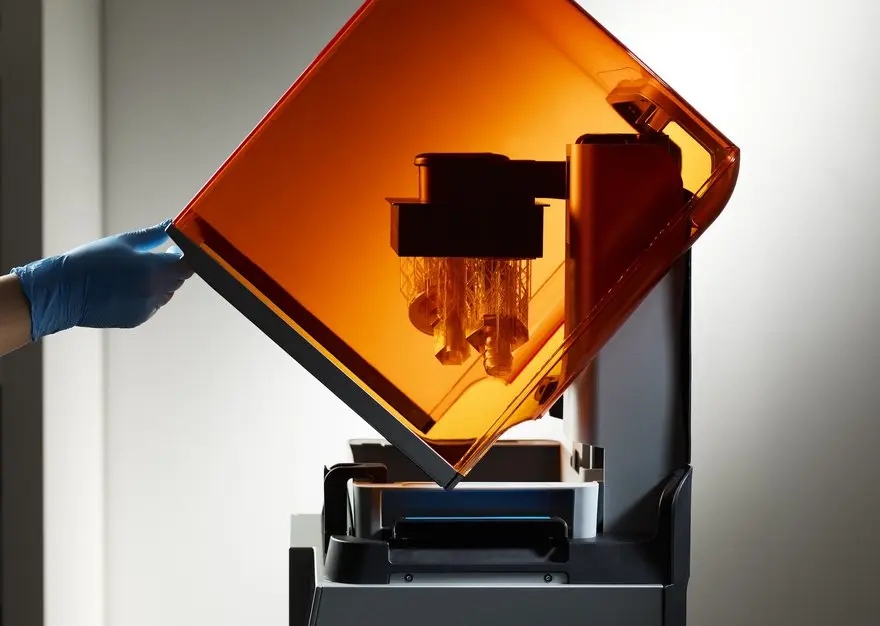
Connect AI Product Design Intent to Prototypes and Manufacturing
Our manufacturing categories include 3D printing, CNC machining, mold manufacturing and injection molding. We can connect a reviewed design direction to a practical prototype or production discussion when geometry, material, quantity and validation need support that route. Customers still confirm dimensions, finishes, inspection requirements and release criteria. Momaking's contribution is the bridge between design intent and an understandable manufacturing handoff, which is one practical response to the AI impact product design industry in 2026.
FAQ
Q: Will AI replace product designers in 2026?
A: AI is likely to automate more repetitive execution, but product designers remain responsible for problem framing, user understanding, judgment, communication and accountable release decisions. The role is being redefined more than removed.
Q: Which skills should product designers build in 2026?
A: Build strategic thinking, user research, prompt literacy, design critique, cross-functional communication and enough technical understanding to connect concepts with validation and manufacturing constraints.
Q: Can a manufacturing partner help a team adopt AI-assisted product design?
A: Within the verified scope, Momaking can support industrial design and structural review from images or concepts, then discuss 3D printing, CNC machining, mold manufacturing or injection molding. The team remains responsible for strategy, approval and release.