Design for Manufacturing (DFM) improves a product by challenging geometry, materials and process assumptions before those choices become expensive to change. Artificial intelligence can move parts of that review into the active design loop, where engineers can see potential issues while revising CAD rather than after a supplier completes a manual review. The result is not automatic production approval. It is earlier, more consistent feedback that helps qualified people make better decisions about machining, additive manufacturing, molding and physical validation.

Why Design for Manufacturing (DFM) Feedback Arrives Too Late
Sequential Reviews Hide Manufacturing Risks Until Commitment
In a sequential workflow, a concept moves through design, detailed CAD and drawing preparation before a supplier sees it. A process conflict discovered at that point may affect several completed deliverables. Changing one inaccessible feature can alter geometry, tolerances, cost assumptions and the prototype plan.
Late feedback is especially disruptive when teams have already aligned around the appearance or schedule. Reviewers may resist necessary changes because previous approvals feel final. Bringing Design for Manufacturing (DFM) questions forward gives the team more freedom to compare alternatives before commitment grows.
Fragmented CAD, Quoting and Supplier Handoffs Extend Rework
CAD review, quoting and supplier communication often happen in separate systems. Engineers may send files by email, wait for comments, revise the model and restart part of the quotation. Important reasoning can be reduced to disconnected screenshots or messages.
Fragmentation separates the issue from the design decision. AI-assisted workflows can help organize geometry checks and return structured findings sooner, but the team still needs a shared revision and decision record. Connected feedback matters because speed without traceability can create another source of rework.
How AI-Powered DFM Analysis Works
From CAD Geometry to Prioritized Manufacturability Flags
AI-powered DFM analysis examines geometry and production information for patterns associated with manufacturing risk. Depending on the process and system, findings may concern thin regions, inaccessible features, tight tolerance requests, sharp internal transitions or incomplete production data. A useful result identifies the affected feature and explains why it deserves review.
Priority should follow consequence, not simply the number of flags. A cosmetic observation may be minor, while an interface or tooling conflict may block the chosen route. Engineers should be able to dismiss irrelevant findings, request more evidence and compare the effect of a proposed change.
Engineers Keep Control of Constraints, Trade-Offs and Sign-Off
The engineer defines what the product must do, which dimensions are functional and which trade-offs are acceptable. A supplier or process specialist contributes knowledge about equipment, material behavior, setups and inspection. AI can accelerate the preparation of that discussion but cannot accept responsibility for the result.
Every important Design for Manufacturing (DFM) decision should therefore have an owner. The record should state whether the design was revised, the process changed or the flagged condition was accepted with justification. Sign-off confirms the project decision; it should never imply that unperformed analysis or testing has occurred.
Process-Specific Design for Manufacturing (DFM) Checks
CNC Design Review: Tool Access, Features and Tolerances
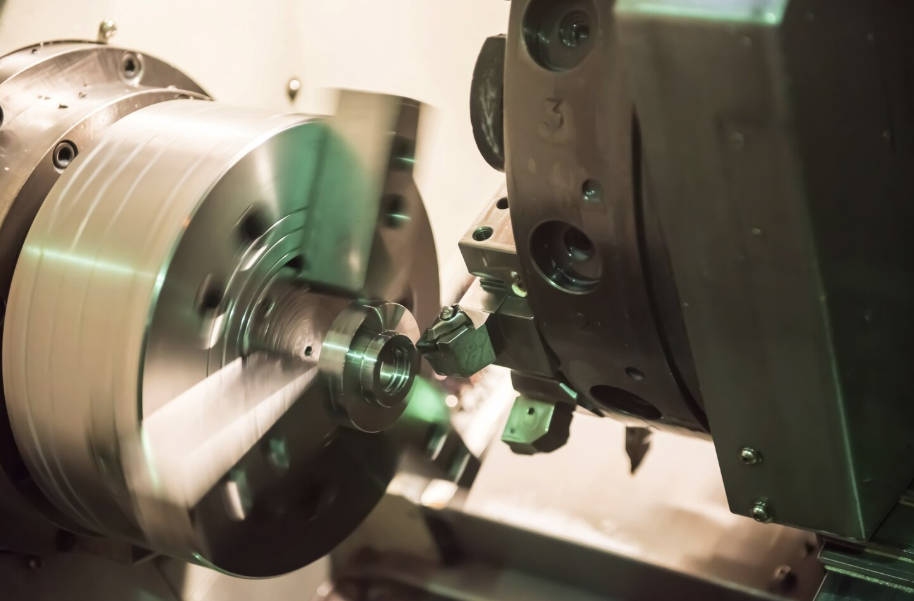
CNC machining removes material with controlled tools, so accessibility matters. Deep pockets, internal corners, narrow channels and multiple orientations can affect setups and tool selection. Reviewers should ask whether critical faces are reachable and whether a simpler feature can meet the same function.
Tolerance choices also need attention. A tight tolerance may be justified at a mating interface but unnecessary on a nonfunctional surface. CNC design review should connect each critical requirement to function, inspection and the intended material rather than apply a single standard across the part.
3D Printing DFM: Orientation, Supports and Material Fit
Additive manufacturing builds a part layer by layer. Orientation can influence support needs, accessible surfaces and the direction in which the part is built. A geometry that can be printed may still require finishing or may not represent the intended production material and behavior.
3D printing DFM should consider what the sample must prove. An appearance model, fit check and functional prototype can require different processes or materials. The review should distinguish a printable geometry from a validated part and identify which conclusions cannot be drawn from the sample.
Injection Molding DFM: Walls, Draft, Ribs and Tooling Risk
Injection molding depends on a mold that fills, cools and releases the part. Wall transitions, draft, ribs, undercuts, parting decisions and ejection all influence tooling and the molded result. These questions should be reviewed before tooling begins, when geometry can still be changed more easily.
No universal wall or draft value fits every resin, shape and mold strategy. Injection molding DFM should present risks in the context of the selected material, part size, appearance requirements and supplier plan. Tooling engineers remain responsible for confirming the final approach.
Turning Real-Time DFM Feedback Into Better Product Decisions
Compare Revisions Against Cost, Risk and Validation Priorities
Real-time DFM feedback is most useful when it supports comparison. The team can evaluate an original feature and one or more revisions against function, manufacturing complexity, likely cost drivers and validation needs. The lowest-cost option is not automatically correct if it weakens an essential interface or performance requirement.
The decision record should explain which risk changed and what new trade-off appeared. This prevents automated findings from becoming a checklist detached from product intent. Design for Manufacturing (DFM) improves the design when feedback changes a meaningful decision, not when a dashboard simply turns green.
Verify the Selected Revision With Process Evidence
After selecting a revision, the team should obtain evidence appropriate to the risk. That may include engineering analysis, supplier confirmation, a focused prototype or a controlled trial. Acceptance conditions should be agreed before the evidence is collected.
If results contradict the assumption, the model returns to a controlled revision. If the evidence is sufficient, the team can approve the next stage. This loop combines faster feedback with the discipline required for manufacturing decisions.
How Momaking Connects Structural Review With Manufacturing
Move From a DFM Finding to a Process-Specific Prototype Plan
At Momaking, we support structural design that can begin with a customer image or concept and produce reviewable files for physical manufacturing. Our workflow includes image processing, 3D modeling, structural analysis, visual feedback and customer participation. These capabilities can help clarify the structure affected by a manufacturability concern.
The practical role is bounded to design information, intended function and open process questions. That discussion can then define an appropriate prototype or supplier-review step without treating automated feedback as production approval.
Match the Approved Revision to CNC, 3D Printing or Molding
At Momaking, we provide 3D printing, CNC machining, mold manufacturing and injection molding services. The approved revision can be matched to a category according to geometry, material, quantity and the evidence the team needs next. A prototype route should resolve the relevant uncertainty rather than merely demonstrate that a file can be manufactured somehow.
Customers should provide the current CAD revision, drawings when applicable, material, finish, critical dimensions, quantity and inspection priorities. At Momaking, we can then support a process-specific conversation while the customer and responsible engineers retain final approval.
FAQ
Q: Can AI Replace a DFM Engineer or Supplier Review?
A: No. AI can surface and organize possible risks, but engineers and suppliers must interpret functional requirements, equipment limits, material behavior, inspection needs and acceptable trade-offs.
Q: Is the Same DFM Check Valid for CNC, 3D Printing and Molding?
A: No. Each process has different constraints. Tool access matters in CNC, orientation and supports matter in additive manufacturing, and tooling geometry matters in injection molding.
Q: What Should a Team Send Momaking for a Manufacturability Review?
A: Send the current 3D file, relevant drawings, intended function, material, quantity, finish, critical interfaces, inspection needs and the manufacturing or prototype route being considered.