Choosing between 3D printing vs CNC machining is a decision about what the next physical part must prove. A visual housing may need fast geometry changes, while a mating bracket may need the intended material, accurate interfaces and a controlled surface. The right answer in a 3D printing vs CNC machining comparison depends on the test, material, geometry and quantity. Teams that define the learning goal first usually avoid paying for a prototype that looks convincing but cannot answer the engineering question.
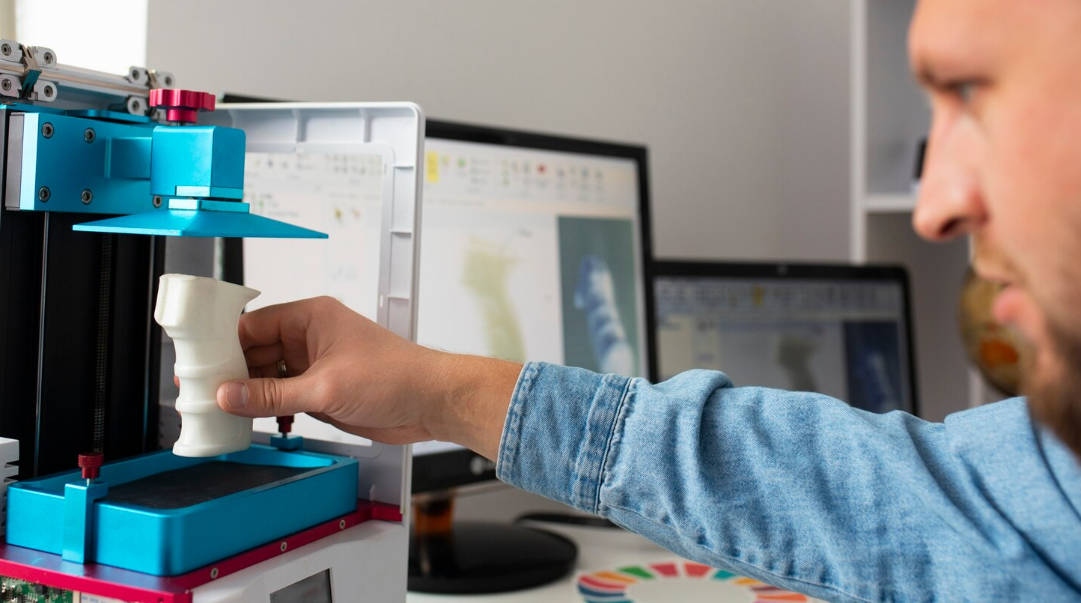
Start With the Prototype Question, Not the Machine
Separate Appearance, Fit and Functional Testing
A prototype may prove appearance, fit, handling, assembly or function. These are different jobs. An appearance model needs recognizable surfaces; a fit model must reproduce interfaces and clearances; a functional part may need a material and process that behave like the intended product. A complex shape with no load requirement may suit additive production, while a part with a precision bore or threaded interface may need machining.
Defining the test makes rapid prototyping useful. Instead of asking which process is faster in the abstract, ask which route will produce evidence for the next decision.
Set Material, Quantity and Acceptance Criteria
Before comparing 3D printing vs CNC machining, record the material family, quantity, critical dimensions, finish and acceptance criteria. The same CAD file may suit a visual review but fail a heat, load or assembly test. State what will be measured, such as mating fit, control location, movement, surface appearance or material response. A bounded test gives the supplier a sound basis for selecting the route.
3D Printing vs CNC Machining for Design Freedom and Materials
When Additive Manufacturing Helps Explore Complex Geometry
3D printing builds a part layer by layer, supporting complex external forms, consolidated features and rapid design variations without early tooling. Engineering plastics, resins, nylon, soft materials and metal categories can serve different prototype goals. The process still requires decisions about orientation, supports, accessible surfaces and post-processing.
A printed part can be excellent for checking volume, hand feel or a visual direction while being a poor substitute for a final metal interface. Additive freedom is valuable when the team knows which uncertainty the geometry must resolve.
When CNC Machining Fits Engineering Materials and Interfaces
CNC machining removes material along programmed toolpaths. It is useful when a prototype must represent stock engineering material, a precise interface or an inspectable surface. Plastics such as ABS, PC, PP, PPS, PEEK, acrylic and nylon, along with steel and other metals, can support material-specific testing.
Tool access, workholding and the number of operations shape the result. In a 3D printing vs CNC machining decision, CNC is not automatically the more professional choice; it is better when subtractive access, material fidelity or interface control matters most.
Compare Prototype Speed, Cost and Iteration Economics
Evaluate Lead Time and the Cost of Another Iteration
The useful measure of speed is the time from an approved change to usable evidence. A print may be quick to produce but slower after support removal, curing or finishing. Machining may require programming and setup but justify that preparation when the prototype must confirm an interface.
Compare the complete learning cycle: model preparation, setup, material, machine time, finishing, inspection and the next revision. Iteration cost often matters more than the price of the first part.
Include Setup, Finishing and Quantity Effects
In 3D printing vs CNC machining, material price is only one line. Printing may require supports, cleaning, curing, sanding or coating. CNC may require programming, fixtures, tool changes, workholding and scrap control. Repeating a small group of parts can distribute setup work, while a revision can make a fixture or toolpath obsolete.
Ask the supplier what is included, what the buyer must finish or inspect, and which dimensions control acceptance. This keeps the comparison fair when the two routes need different post-processing.
Compare Accuracy, Surface Finish and Functional Fidelity
Match Dimensional Accuracy to the Prototype Decision
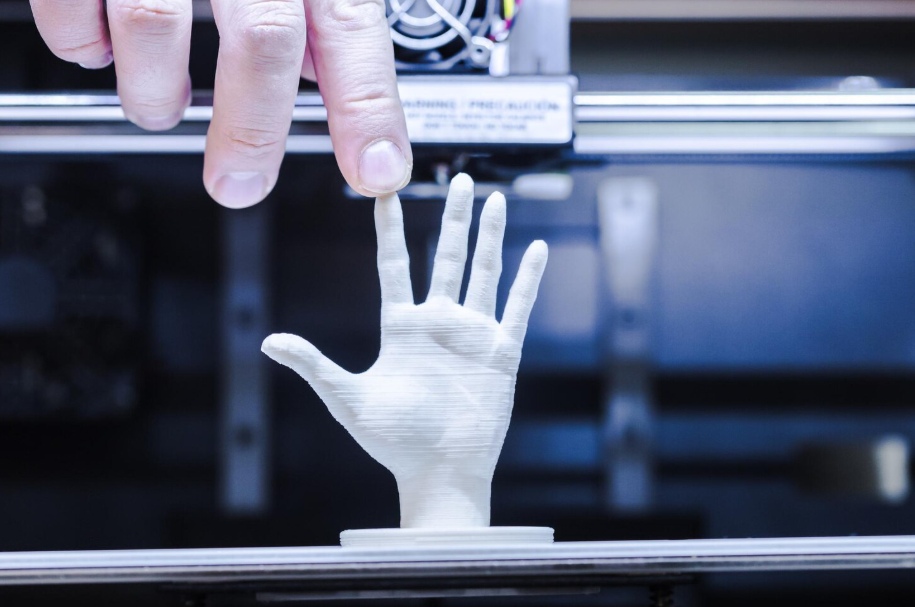
Not every prototype needs the same dimensional evidence. A visual model tolerates more variation than a cover that must align with a mating part. Holes, datums, seals, clips and fasteners deserve special attention because a small interface error can create a misleading assembly result.
Define critical features before ordering. If printing is followed by machining, identify that hybrid step in the request. Dimensional accuracy is a requirement for the test, not a label to assume from a process name.
Plan Post-Processing Before You Order
Surface finish affects both appearance and function. FDM parts may need sanding or coating; light-cured parts may need cleaning and post-curing; CNC parts may need polishing, blasting or another specified finish. Finishing can alter edges, details and fit.
For a fair 3D printing vs CNC machining comparison, describe the expected final condition, not only the raw process. Inspect the prototype after the finishing route used for the intended test.
Choose 3D Printing, CNC Machining or a Hybrid Prototype
Choose 3D Printing When Geometry Exploration Leads
Choose 3D printing when the main question concerns form, proportion, hand feel, visual direction or a complex low-quantity shape. It is especially useful when revisions are likely and no specific stock material or precision interface must be proven. Specify orientation, supports, material and finish so the prototype remains useful evidence.
Choose CNC or Hybrid Work When Interfaces Lead
Choose CNC when the prototype must represent an engineering material, accurate interfaces, machined holes or a controlled surface. A hybrid prototype can combine a printed complex body with CNC-machined features. Plan the combination as one test, with clear datums, alignment and inspection responsibility.
How Momaking Supports Rapid Prototype Process Selection
Align the Prototype Goal With a Manufacturing Route
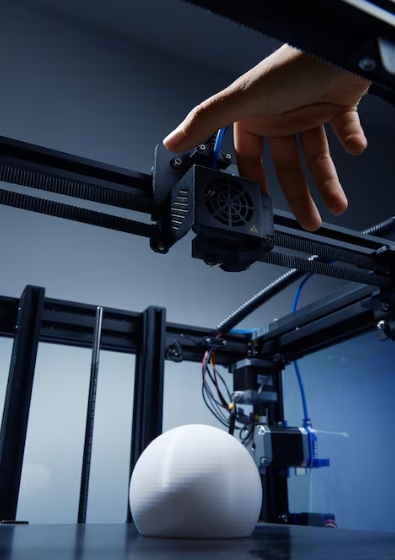
At Momaking, we support structural design, 3D printing, CNC machining, mold manufacturing and injection molding as connected manufacturing categories. For a prototype request, we can review a brief identifying function, material, quantity, interfaces, finish and test goal. That keeps the manufacturing handoff focused on the next decision instead of a generic request for a sample.
Combine CNC and 3D Printing When the Part Needs Both
Momaking can discuss a bounded hybrid route when a complex printed body needs CNC-machined precision features. The choice still depends on geometry, material, quantity and inspection requirements. The practical goal is to connect the reviewed design with a prototype route that produces useful evidence.
FAQ
Q: Is 3D Printing Better for Every Prototype?
A: No. The better option depends on the question, material, quantity, critical interfaces, finish and acceptance criteria. 3D printing vs CNC machining is a project-specific decision, not a universal ranking.
Q: Can One Prototype Combine Printing and CNC?
A: Yes, when the printed body and machined features have complementary roles. Define datums, alignment, interfaces, inspection points and which process owns each critical feature.
Q: What Should I Send for a Prototype Quote?
A: Send CAD or reference files, material, quantity, critical dimensions, finish, mating parts and the decision the prototype must support. Clear rapid prototyping requirements reduce clarification delays.