An AI CAD generator can shorten the path from a requirement to useful geometry, but the word “CAD” covers outputs with very different engineering value. A model that looks correct may be a polygon mesh, a featureless solid or a structured parametric file. Only inspection of the actual geometry and its downstream behavior can show whether engineers can revise, analyze and release the model. Manufacturing readiness therefore depends less on a convincing preview and more on design intent, stable references, complete production information and accountable approval.
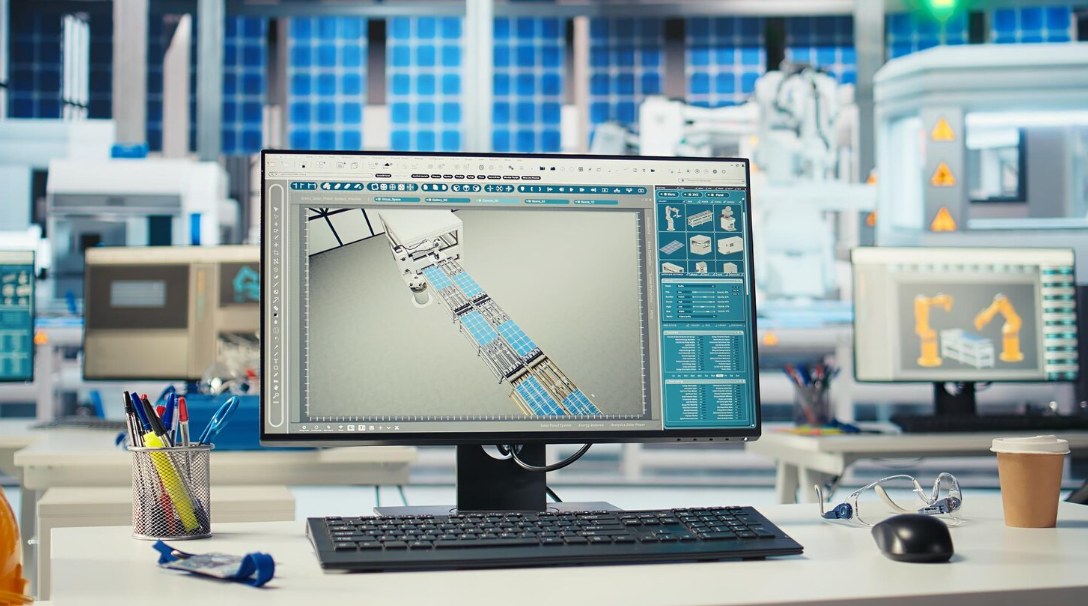
What an AI CAD Generator Actually Produces
Mesh, Solid and Parametric CAD Are Not Interchangeable
A mesh represents surfaces with connected triangles. It is effective for visualization, scanning and some additive workflows, but the triangles do not inherently describe a hole axis, a planar datum or an editable wall feature. Converting the mesh to a solid may create closed geometry without recovering the decisions that originally defined the part.
Parametric CAD uses controlled dimensions, constraints and features to represent those decisions. Engineers can select meaningful faces and edges, revise a sketch or change a pattern with predictable intent. When evaluating an AI CAD generator, the first question is therefore not whether the output is three-dimensional. It is whether the format and structure support the required engineering work.
Feature History and Constraints Preserve Engineering Intent
A stable feature history explains how the model was built. A mounting boss may depend on a base sketch; a hole pattern may depend on a centerline and spacing value; a fillet may be applied after the functional faces exist. This sequence makes revisions easier to understand and review.
Constraints also protect relationships. Parallel, concentric, symmetric and dimensional conditions help the model respond consistently when requirements change. A generated solid without this logic can still be edited directly, but revisions may be slower and more fragile. Engineers should inspect the feature tree, sketch definitions and reference dependencies instead of assuming that parametric behavior exists.
How Engineers Validate AI-Generated CAD Before Manufacturing
Audit Units, Datums, Interfaces and Feature Stability
Validation begins with fundamentals. Confirm the unit system, overall envelope, origin and reference datums. Critical mating surfaces, holes and interfaces should have defined locations and relationships. The team should also identify imported or generated geometry whose scale or orientation is uncertain.
Next, exercise the model. Change selected driving dimensions and regenerate the part. Features should update without broken references, unexpected surface changes or lost relationships. Assembly checks should confirm that interfaces remain aligned. This audit shows whether AI-generated CAD behaves like an engineering model rather than a static shape.
Check Drawings, Tolerances, Materials and CAM Handoff
Geometry alone rarely communicates the full manufacturing requirement. Drawings or model-based definitions may need material, finish, tolerance, thread, inspection and assembly information. Each tolerance should follow function and process capability; applying an unnecessarily tight value everywhere can increase cost without improving the product.
The CAM or supplier handoff also needs unambiguous revision status and critical features. Machinists must be able to select relevant faces, edges, holes and datums. Inspectors need references for measurement. An AI CAD generator may help prepare geometry, but an engineer must confirm that the release package communicates what the finished part must satisfy.
Manufacturing Checks an AI CAD Generator Cannot Approve Alone
Separate Geometry Quality From Process Approval
Clean geometry is necessary but not sufficient. A machined part needs accessible features, feasible setups and suitable stock. An additive part raises orientation, support, surface and material questions. A molded part requires decisions about parting, draft, wall transitions, ejection and tooling. These conditions depend on the selected process and actual production context.
The AI CAD generator cannot infer every supplier capability, inspection method or commercial constraint from shape alone. Reviewers should separate a model-integrity result from a process-approval result. Passing the first means the file can be evaluated; it does not mean the part has been approved for production.
Require Process-Specific Engineer and Supplier Approval
Process specialists should review risks relevant to the intended route. The engineer defines functional priorities and acceptable trade-offs, while the supplier confirms equipment, material and production implications. When a feature is difficult to manufacture, the team decides whether to revise the design, change the process or retain the feature with a documented reason.
This approval should reference the model revision and supporting information. A general software score is not a substitute for the reviewer who accepts the manufacturing assumption. The decision becomes more reliable when responsibility and evidence are explicit.
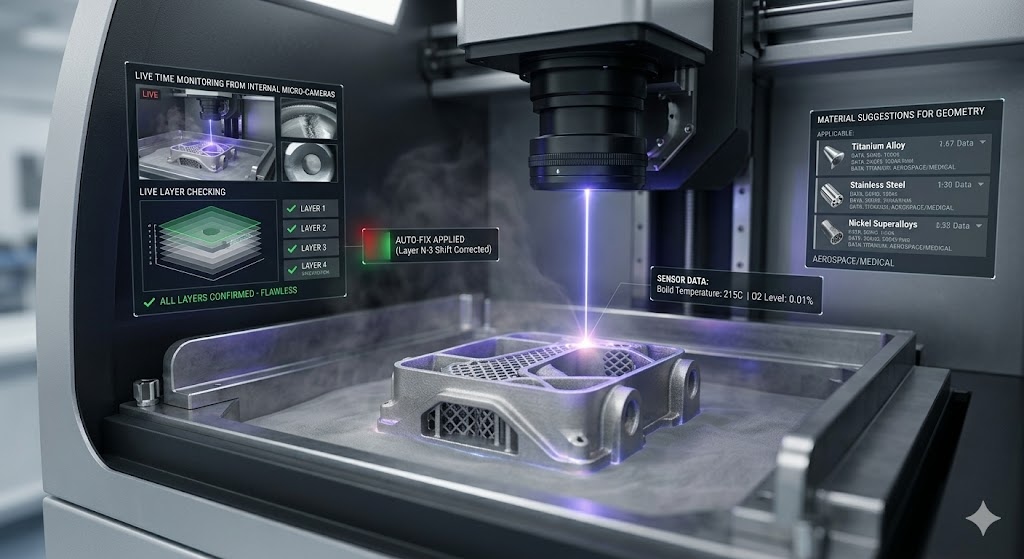
A Controlled Workflow From AI-Generated CAD to Engineering Release
Record Inputs, Revisions, Evidence and Engineering Sign-Off
A controlled workflow starts with the requirement set used by the AI CAD generator. The project record should identify the source dimensions, constraints, material assumptions and intended process. Generated options are then reviewed, and the selected model receives a unique revision.
Changes should remain traceable through CAD review, drawing preparation and manufacturing feedback. The engineer records which issues were resolved and which remain open. Sign-off confirms that the approved package represents the intended requirement; it does not certify performance that has not been tested.
Add a Simulation or Prototype Gate Before Release
Evidence should match risk. A low-risk visual component may need a fit or appearance sample, while a load-bearing or tightly integrated part may require appropriate engineering analysis and physical testing. The team determines the method, acceptance conditions and reviewer before the check begins.
Results feed back into the controlled model. A failed interface prompts a revision; a successful test supports release to the next stage. This gate prevents a fast digital workflow from sending unresolved assumptions directly into manufacturing.
How Momaking Supports the CAD-to-Manufacturing Handoff
Review the Structure, Then Match the Manufacturing Route
At Momaking, we support structural design that turns customer images or design concepts into reviewable files for 3D printing, CNC machining or molds. The verified workflow combines image processing, 3D modeling, structural analysis, visual feedback and customer participation. Customers remain involved in confirming practical details and the intended result.
For AI-generated CAD, we can discuss the structure and manufacturing information supplied with the file. This support does not replace engineering release or prove that every generated feature is correct. The handoff is strongest when dimensions, interfaces, material, quantity and inspection priorities are already visible.
Select the Validation Route From Geometry, Material and Quantity
Momaking provides 3D printing, CNC machining, mold manufacturing and injection molding services. A 3D-printed sample may support fast form or fit learning. CNC may be appropriate for a material-specific or precision-oriented prototype. Mold-related work becomes relevant when a reviewed plastic design and repeat quantity justify that direction.
The choice depends on project conditions, not on the origin of the CAD file. This process connects a released model with a physical validation or manufacturing discussion while project engineers retain responsibility for requirements and approval.
FAQ
Q: Does an AI CAD Generator Produce Editable Parametric CAD?
A: Some systems may, while others produce meshes or featureless solids. Check the native format, feature tree, sketch constraints and regeneration behavior in the actual file before relying on editability.
Q: Can AI-Generated CAD Go Directly to Manufacturing?
A: Not without review. Units, dimensions, interfaces, materials, tolerances, process constraints, drawings and required validation evidence must be confirmed before engineering release.
Q: What Files and Requirements Should Engineers Send Momaking?
A: Send the native CAD file and neutral export when available, relevant drawings, material, quantity, finish, critical dimensions, inspection needs and the purpose of the prototype or production request.