

 中文(中国)


What Is AI-Driven Manufacturing Equipment and How Does It Work?
Defining AI-Driven Manufacturing Equipment
AI-Driven Manufacturing Equipment brings artificial intelligence tools like machine learning, computer vision, and predictive analytics into factory machines. These tools let machines make choices on their own, improve how work gets done, and watch operations as they happen. Sensors and IoT devices send data into AI models. The models then keep making daily work smoother and more reliable.
AI-powered flexible manufacturing joins 3D printing and CNC machining. This setup speeds up prototype work and small runs. It lets teams handle tricky steps by machine while keeping each part exact and steady on the line.
How Does AI Transform Traditional Manufacturing Processes?
AI changes old factory methods. Machines now study past production numbers instead of following only fixed rules. Prediction tools spot trouble early and cut sudden stops. Live data helps teams use materials and time better. Speed and quality stay in balance.
It tackles slow design times, high startup costs, and gaps between software and hardware. The result is a fast path from the first idea to a ready product.
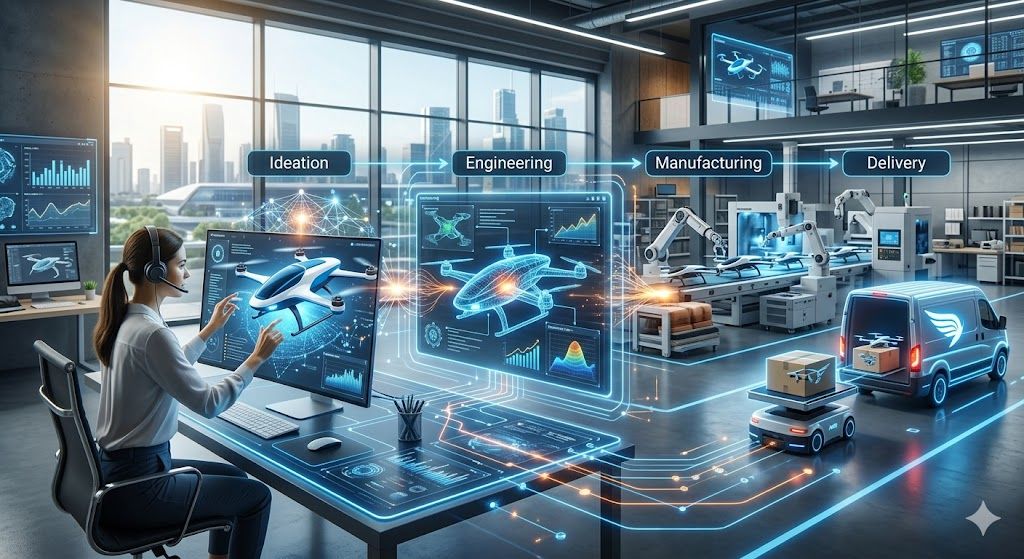
7 Practical Use Cases of AI in Manufacturing Equipment
Predictive Maintenance for Machinery Longevity
AI looks at sensor readings to guess when parts will need service. This step stops surprise halts and helps machines last longer. Teams set repair dates by real need, not by the calendar. The change lowers the cost of sudden failures.
Quality Control Through Computer Vision
AI cameras find flaws while products move along the line. Quality stays steady without slowing output. The system flags bad items or starts fixes right away. Human mistakes drop, and less material goes to waste.
Process Optimization with Machine Learning Models
Machine learning tools tweak settings on the fly. They study ongoing data to find waste in each step. Energy use falls and scrap drops. The tools also adjust when raw materials or room conditions shift.
Supply Chain Forecasting and Inventory Management
AI studies past sales and market signals to guess future demand. Stock counts become more exact. Overstock and stockouts both shrink. Just-in-time plans become easier to follow. Supply lines hold up better when surprises occur.
Robotics Automation Enhanced by Artificial Intelligence
Smart robots learn to do detailed assembly work. They adapt when products differ slightly. Safety improves because risky jobs move to machines. Output rises at the same time.
Energy Management and Sustainability Improvements
AI watches power use across the whole plant. It points out quick ways to cut waste through small timing or speed changes. Resource use drops and green goals move forward.
Human-Machine Collaboration in Smart Factories
Augmented tools help workers decide faster. Voice or hand signals let people guide machines without extra steps. Output grows while people stay safe and involved in daily choices.
What Are the Key Benefits of Using AI in Manufacturing Equipment?
Efficiency Gains Across Production Lines
Machines now handle choices that once needed people. Responses to change become quicker. Throughput rises on every line at once.
Cost Reduction Through Predictive Insights
Early warnings stop big breakdowns before they start. Labor and power costs fall over the months. Total spending drops in a steady way.
Improved Product Quality and Consistency
Flaws get caught at once. Rework and scrap both shrink. Every batch meets the same standard. Buyers see steady quality and trust the brand more.
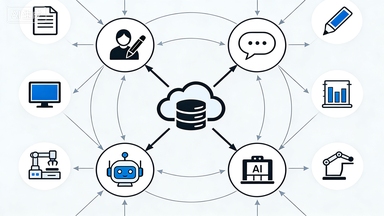
Steps to Implement AI in Manufacturing Equipment Successfully
Assessing Current Infrastructure Readiness
Check how well current machines can link to new digital tools. Find places where data is missing. These gaps can affect how well models learn and predict.
Building a Data Strategy for Machine Learning Integration
Gather steady readings from sensors, PLCs, and IoT units on every machine. Set clear rules for data handling. Accuracy, safety, and rules stay in place so models work well.
Selecting Suitable AI Models for Specific Use Cases
Supervised Learning Models for Predictive Maintenance
Use labeled data that links sensor values to past failures. Retrain the models from time to time. Show results on dashboards, so repair teams know what to do next.
Unsupervised Learning Models for Process Optimization
These models study raw production data. They find odd patterns or group similar runs. No labels are needed. The tools suggest setting changes on their own.
Reinforcement Learning for Robotics Automation
Robots try different moves and keep the ones that finish tasks faster. Feedback loops run during work. Performance keeps rising without outside help.
Training Workforce for Digital Transformation Adoption
Teach staff how to read data and understand basic model outputs. Mix IT staff with shop engineers on the same teams. Training helps the whole change fit real daily work.
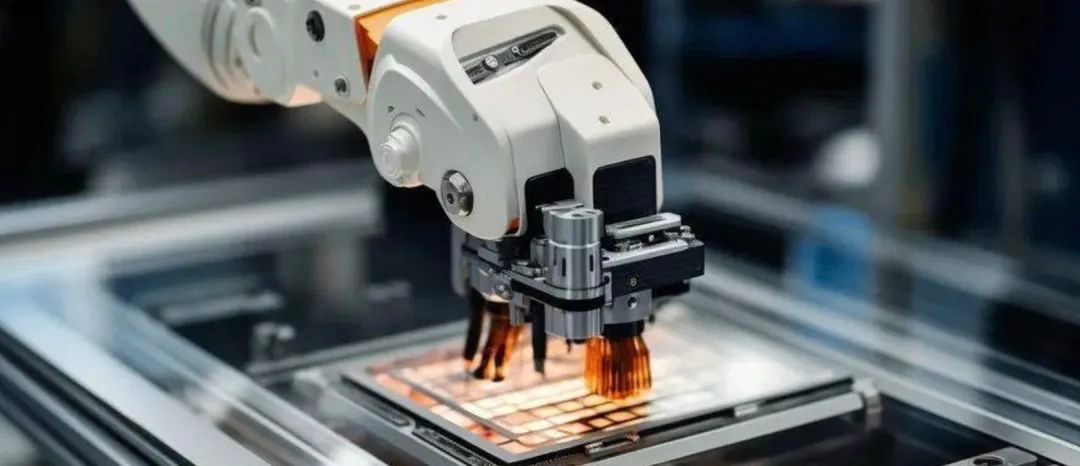
Momaking’s Contribution to Smart Manufacturing Solutions
About Momaking’s AI-Powered Equipment Innovations
At Momaking, we acts as an AI industrial design engineer. We turn an early idea into a product that can be made. All steps run through AI.
At Momaking, we build factory machines that hold AI features for predictive care, visual checks, and flexible robots. One AI agent handles structure review, image creation, design help, and 3D modeling inside a single chat space.
Momaking is a world-leading AI-powered industrial design agent and one-stop manufacturing platform. We give full life-cycle help from the first sketch to the finished part. 3D printing and CNC steps connect directly through our site and scale across many industries.
How Momaking Supports Manufacturers in Implementation
We review each client’s current setup and give clear digital plans. Our integration work fits existing lines and keeps every file private. Built-in DFM checks make sure designs fit 3D printing rules. AI quoting shows costs in seconds. Support stays in place after launch. Systems keep running at the top level. The goal is steady, smart production that matches real factory needs.
FAQ
Q: How expensive is it to integrate AI into existing manufacturing equipment?
A: Costs depend on how complex the line is, how many sensors are added, and how much custom work is needed. Savings from fewer stops and better output usually cover the first spend within a reasonable time.
Q: Can small manufacturers benefit from AI-driven equipment?
A: Yes. Small shops can start with simple modules such as predictive care or visual checks. They can add more automation later as output grows.
Q: What Skills Are Needed to Manage AI-Driven Manufacturing Equipment in a Factory?
A: Workers need basic skills with data and model results shown on screens. Training programs close the gap quickly and help everyone work with the new tools.