AI-Powered Manufacturing Platforms and Their Growing Influence
What Is an AI-Powered Manufacturing Platform?
An AI-powered manufacturing platform serves as a digital system. It brings together artificial intelligence, machine learning, IoT, and data analytics. This helps improve how efficiently things get produced. The platform links machines, systems, and data sources across the factory floor. It supports real-time choices and predictive upkeep. These platforms work as smart centers. They turn raw operational data into useful insights. Manufacturers can then adjust workflows and cut downtime.
AI-powered instant quotes, online ordering, and secure workflows help lower costs and raise efficiency. When automation joins with smart analytics, these systems create a fully linked production space that can improve itself.
How AI Is Transforming the Manufacturing Landscape
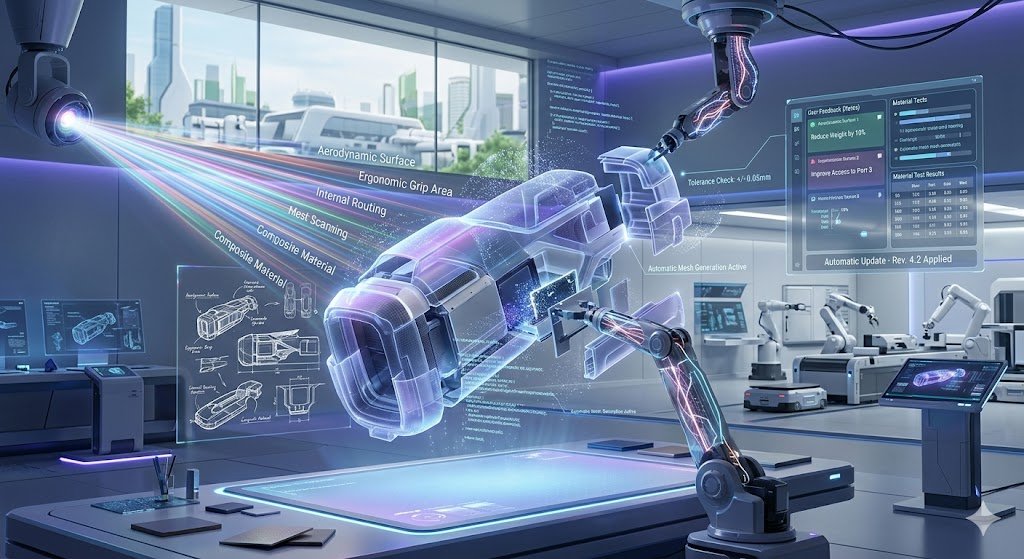
Artificial intelligence is changing how factories run. It cuts down on manual work and human mistakes through automated systems. Predictive analytics models spot issues early. This stops disruptions and improves reliability along with resource use. Data-driven insights help smooth operations. They also raise product quality and reduce waste.
This method focuses on extended design periods, big hurdles for new entrants, and disconnects between software and hardware. It provides a quick, full process from the first concept to a ready-to-produce item. As a result, it cuts experimental costs during research and development. The combination points to a shift toward smart production systems. These systems get better with every manufacturing round.
Key Technologies Driving AI in Manufacturing
Machine Learning and Predictive Analytics in Production
Machine learning algorithms review production data. They find patterns that predict maintenance needs. Predictive models reduce equipment downtime. They alert operators ahead of failures. Over time, ongoing learning improves accuracy. This supports better resource management.
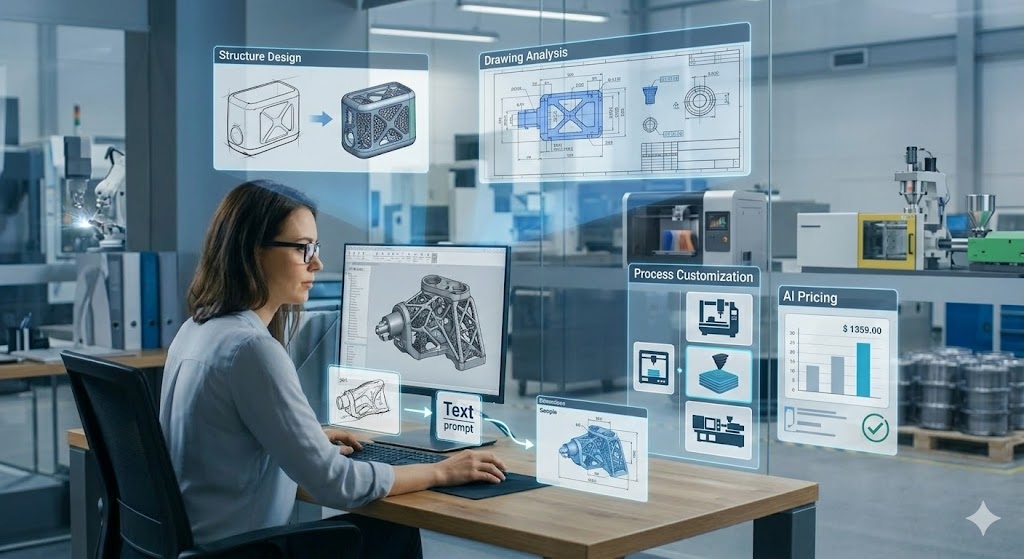
Applied technologies include multimodal industrial design, large-scale models, automated 3D structure generation algorithms, and AI-driven DFM evaluation systems. These predictive tools help manufacturers keep steady output while they improve energy use.
Computer Vision for Quality Control
Computer vision powered by AI delivers accurate defect checks during inspection. Real-time image review keeps product standards steady across batches. This technology lowers rework costs and stops defective items from reaching customers.
AI-assisted internal layout and mechanical support analysis help balance function with manufacturing needs. When visual intelligence joins quality control workflows, manufacturers reach higher accuracy than with manual checks alone.
Robotics and Process Automation
Robotics combined with AI creates adaptable manufacturing spaces. Machines work alongside human staff. Collaborative robots handle repeated or risky jobs. Humans then focus on strategy and new ideas. Automated workflows raise output while they keep safety standards in place.
AI-driven large-scale model-driven design generation and optimization let robotic systems keep refining their performance based on live feedback.
Enhancing Efficiency Through Data Integration and Connectivity
How Does Data Integration Improve Factory Operations?
Data comes together from sensors, ERP systems, and machinery. This creates one clear spot for making decisions. The connection helps supply chain teams, logistics, and production planning work in sync. Regular feedback loops lead to steady progress in every department.
The setup removes barriers between design and manufacturing. It supports every stage from styling to engineering. Integrated platforms make sure each part of production adds smoothly to overall factory results.
The Role of Edge Computing in Smart Manufacturing Environments
Edge computing handles information closer to its source on the factory floor. This leads to quicker response times for automated choices. It reduces delays in robotics control systems and supports growth across many connected devices in industrial networks.
Workforce Transformation in the Age of AI Manufacturing
How Are Jobs Evolving With AI Adoption?
As automation takes over repeated tasks, staff move into analytical roles that need digital skills. Workers now oversee intelligent systems instead of doing manual jobs. Training programs that focus on AI tools have become key for workforce readiness.
24/7 online experts break from the old design company model. They deliver real-time advice and execution that matches senior engineers. This change builds a more flexible workforce that can use technology for strategic choices.
Human-AI Collaboration on the Factory Floor
Human-AI collaboration raises productivity through added intelligence rather than replacement. Workers use AR interfaces for guided maintenance and access live performance data via AI dashboards. This teamwork supports new ideas while it keeps operational safety standards.
Overcoming Challenges in Implementing AI-Powered Manufacturing Platforms
Common Barriers to Adoption and How to Address Them
Adopting an AI-powered manufacturing platform often brings high starting costs. Phased rollout plans can reduce financial risks. Data security remains a main worry and needs strong cybersecurity setups to guard intellectual property. Change management programs support smooth workforce adjustment during digital shifts.
All uploaded design files stay encrypted during transfer and rest in isolated spaces. This keeps your IP fully protected.
Ensuring Scalability and Long-Term Sustainability
Scalable setups allow modular growth as business needs change. Regular algorithm updates keep systems aligned with market shifts. Sustainable practices improve energy use through AI-based insights.
Sustainable practices fit in through energy-efficient operations that draw on AI insights.
Momaking’s Contribution to AI-Powered Manufacturing Innovation
Who Is Momaking and What Solutions Does Momaking Offer?
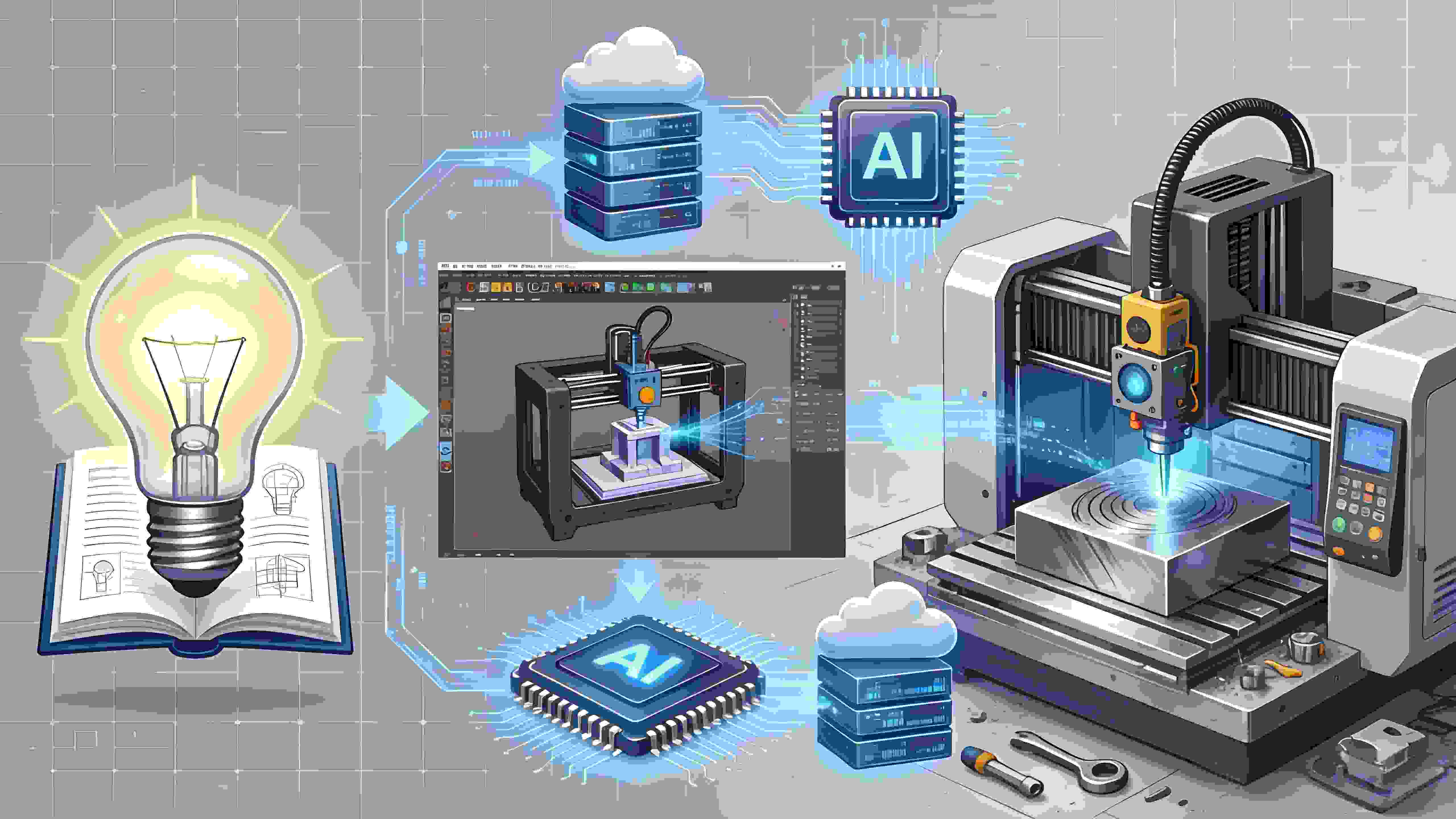
At Momaking, we focus on advanced AI-powered industrial design agents. These tools support smart factories through automation and smart analytics. Our goal is clear. We combine AI with industrial progress to strengthen intelligent manufacturing. We offer full life cycle services from concept creation to physical prototyping. This lets businesses speed up their digital shifts in an efficient way.
Our solutions bring together 3D printing, CNC machining, predictive maintenance tools, real-time analytics dashboards, and intelligent automation features. These suit varied industries such as automotive electronics or consumer goods manufacturing.
Key Features of Momaking’s Platform That Support Modern Manufacturers
Intelligent Production Management System (IPMS)
Our IPMS gives full visibility across production lines. It uses IoT links and machine learning insights to improve scheduling accuracy.
Predictive Maintenance Suite
This suite draws on sensor data to spot possible equipment problems before they affect operations. It cuts downtime while it keeps productivity levels steady.
Adaptive Quality Control Module
Our adaptive quality control system applies computer vision algorithms. It catches defects early in production stages and ensures steady quality that meets global standards.
Beyond simple drawing, AI-generated models link directly with 3D printing. They also connect with CNC machining. This setup completes the full path from idea to finished product.
The Future Outlook for AI-Powered Manufacturing Platforms
How Will These Platforms Evolve in the Coming Years?
Future growth will bring deeper links between industrial networks through 5G connectivity. This supports very low-latency communication among machines. Digital twins will become common for testing full production spaces before physical build. Ethical rules for industrial AI will grow alongside progress in privacy protection. These steps help ensure responsible use of the technology around the world.
FAQ
Q: What are the main benefits of using an AI-powered manufacturing platform?
A: These platforms handle repeated tasks automatically. They predict maintenance needs through machine learning models. They improve quality control accuracy with computer vision. They also fine-tune resource use via real-time analytics. This keeps costs down across operations.
Q: What industries can benefit from adopting AI-powered manufacturing platforms?
A: Many industries can make good use of these platforms. Automotive manufacturing stands out as one clear example. Consumer electronics assembly works well too. The same holds true for pharmaceutical packaging. Heavy machinery fabrication fits in as another strong option. These platforms help make output more consistent. They also cut down on waste during daily operations.
Q: How difficult is it to implement an AI-powered manufacturing platform?
A: Implementation difficulty depends on current infrastructure. Modular solutions like those from Momaking allow gradual addition without major workflow breaks. They deliver clear ROI over time through better process visibility and shorter lead times.