

 中文(中国)


What Is an AI Creative Engine and Why Does It Matter?
Defining the Concept of an AI Creative Engine
An AI creative engine is a system that combines artificial intelligence tools to speed up or improve the creative process. It blends technologies such as machine learning, natural language processing, and data analytics. These tools help create ideas, content, and design assets suited for specific needs. The goal stays simple. It simplifies creative workflows while keeping originality, efficiency, and brand consistency.
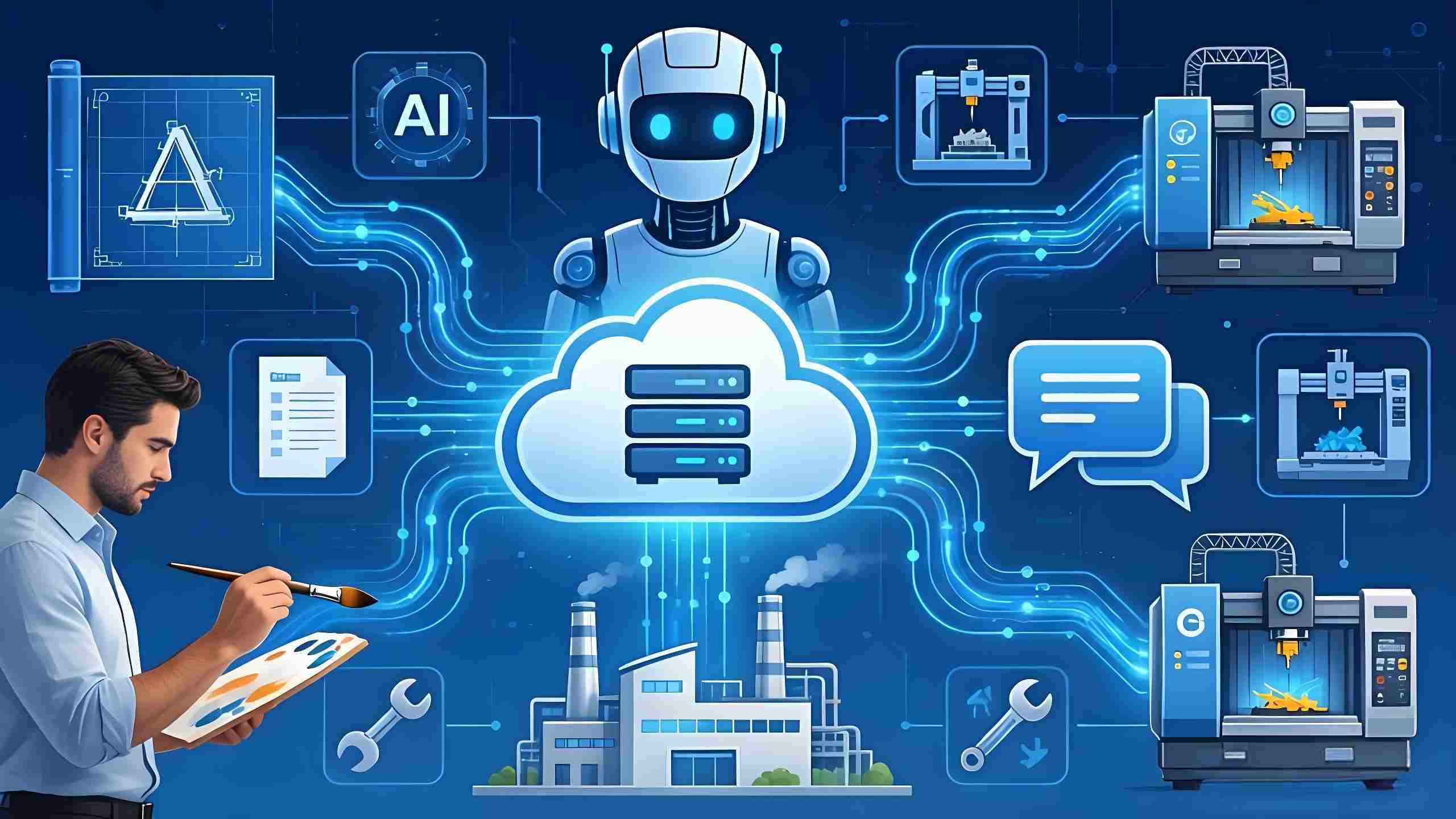
AI intelligent agents for industrial design-AI Creative Engine shows how this concept reaches beyond digital content into industrial applications. Creativity meets engineering precision in these cases. By mixing AI-driven ideation with structural design automation, creators turn conceptual ideas into manufacturable outputs in a smooth way.
How Does an AI Creative Engine Transform Content Creation?
An AI creative engine changes the way content gets produced. It speeds up ideation through data-driven topic generation and audience analysis. The system handles repetitive tasks such as keyword research, formatting adjustments, or even image generation using generative models. This setup lets creators focus on strategic storytelling and brand voice instead of manual production steps.
Building an End-to-End AI Content Creation Workflow
What Are the Core Stages of an AI-Powered Workflow?
1. Ideation and Research
AI-driven insights assist in finding trending topics along with audience interests. This process works by reviewing engagement metrics on various platforms. Predictive analytics and competitor benchmarking also uncover content gaps. They further highlight emerging opportunities in a given niche. Use AI-driven insights to spot trending topics and audience interests.
2. Content Generation and Structuring
Generative models help create articles, scripts, or visual layouts. These outputs align with editorial guidelines. Training the models on custom datasets helps maintain tone and structure. The results stay consistent with brand identity. In industrial design work, this step can also include automated 3D modeling. It may cover structural generation from text prompts as well.
3. Editing, Optimization, and Distribution
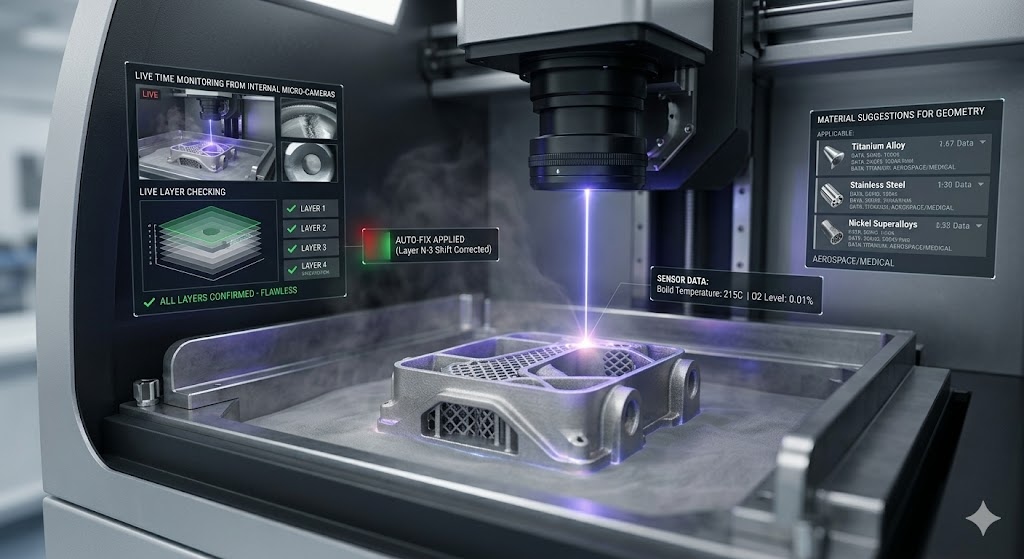
AI editing tools polish grammar, style, and flow. SEO tools boost how easily content appears in search results. Systems for scheduling posts automatically spread material across various platforms with smooth timing. Breaking barriers between design and manufacturing gives strength to every step. This covers styling and reaches all the way to engineering.
How Can Human Creators Collaborate with AI Systems?
Human-AI collaboration proves effective when creators view machines as helpful co-pilots rather than full replacements. They set up review points for people to check the work. This step keeps facts accurate and adds the right emotional touch to the final results. The partnership raises output levels while keeping the human feel intact.
Key Components of a Scalable AI Creative Engine Architecture
Data Infrastructure and Training Pipelines
A strong data infrastructure supports every effective AI creative engine. Collecting high-quality datasets relevant to specific industries or brand voices allows continuous model improvement. Regularly retrain models with updated data to keep contextual accuracy. This approach ensures that generated outputs evolve alongside market trends.
Integration with Existing Tools and Platforms
Smooth connections via APIs create reliable links among text generation tools, image creation software, analytics panels, and publishing platforms. A single AI agent covers structure, image, assistant, and 3D. It all happens inside one conversational workspace. These combined setups cut workflow breaks and add more room for creative work.
Governance, Ethics, and Quality Control Mechanisms
Transparency protocols for dataset usage and algorithmic decision-making matter for ethical deployment. Periodic audits catch bias in generated content. Feedback loops refine accuracy over time.
Enhancing Creativity Through Intelligent Automation
How Does Automation Support Originality Rather Than Replace It?
Automation strengthens originality by handling repetitive technical processes like tagging or summarization. Human teams can then focus on conceptual innovation. Predictive analytics reveal new creative directions drawn from behavioral patterns in audience interaction data.
Examples of Human-AI Synergy in Content Production
Writers often use AI-generated drafts as starting points for deeper narrative development. Designers use generative visuals as initial inspiration before refining them by hand.
Applying materials, lighting, and textures for instant visualization gives high-fidelity previews for design reviews. This synergy shows how human intuition adds to computational precision.
Momaking’s Approach to Building an Efficient AI Creative Engine System
Overview of Momaking’s Vision in AI-Powered Creativity
At Momaking, we believe intelligent automation should support creators rather than limit them. Our platform combines ideation, generation, optimization, and publishing inside one unified environment. It works for both digital creators and industrial designers.
Momaking is a world-leading AI-powered industrial design agent & one-stop manufacturing platform. We aim to make design an accessible “intelligent manufacturing productivity” tool for every enterprise by bridging creativity with manufacturing execution.
Our mission fits industry transformation goals. It integrates AI with industrial innovation to support intelligent manufacturing. We give enterprises practical solutions that speed up digital transformation through collaborative innovation between academia and industry partners.
Core Features of Momaking’s Product Suite for Content Creation
Smart Ideation Engine
Our Smart Ideation Engine reviews real-time cross-industry trends to suggest relevant topics or product concepts right away. Multi-modal AI captures design intent. It explores product forms, proportions, and aesthetic DNA to set the design tone.
Adaptive Content Generator
We use adaptive generative models that produce text drafts or visual prototypes matched to specific brand tones or target audiences. Users only need to input their creative intent. The AI agent then supplies full-chain support from market research and styling generation to engineering verification.
Automated Optimization Layer
Before publication or production handoff, our optimization layer improves SEO alignment through keyword mapping. It also boosts readability metrics on its own. Built-in DFM evaluation ensures models meet 3D printing standards. AI-powered instant online quoting covers manufacturing costs.
We stand out further through minute-level delivery. This approach shortens concept-to-structure timelines in a big way. It suits startups that want rapid prototyping without CAD expertise.
FAQ
Q: How does an AI creative engine differ from traditional content automation tools?
A: An AI creative engine uses deep learning models that understand context, tone, and semantic intent. Traditional automation systems rely only on static templates or rule-based logic.
Q: Can small businesses benefit from implementing an AI creative engine?
A: Yes. These systems let small enterprises cut production time while keeping consistent quality across digital channels or physical prototypes. They help compete effectively against larger organizations.
Q: How does Momaking ensure file confidentiality during the creative process?
A: All uploaded design files stay encrypted in transit and stored in isolated environments. Your IP remains fully protected.
Q: What makes Momaking’s system unique among other platforms?
A: Our unified architecture links ideation directly to manufacturing execution. It moves from text-to-3D model generation through online CNC machining quotes. This creates a true closed-loop workflow that turns inspiration into tangible results in an efficient way.