

 中文(中国)


AI in Industrial Design and Its Growing Influence
What Is Driving the Integration of AI into Industrial Design?
Many industries now bring artificial intelligence into industrial design. This shift comes mainly from the need for fresh ideas, better efficiency, and more sustainable practices. As companies face tougher competition and shorter product cycles, AI tools help designers speed up early ideas and improve production steps. AI intelligent agents for industrial design-AI creative engine let engineers cut down on routine work and look at many design options that manual work once made hard to reach.
AI-driven design systems help teams study user data and guess market tastes. They also match product looks with how well the items work. Data-driven insights speed up choices and cut waste at the same time. They improve how materials get used. The need for smart design tools that link creativity with easy production has led to platforms like AI Creative Engine New. This tool puts 3D modeling, rendering, and structural checks into one smooth workspace.
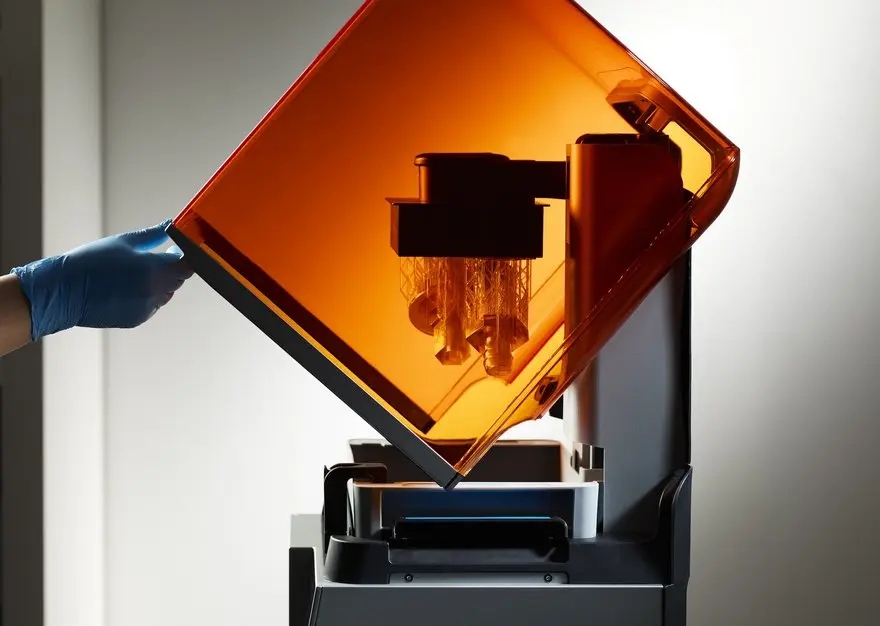
How Generative Design Is Changing the Creative Process
Generative design has changed how designers work with new ideas. Instead of drawing one concept by hand, AI generative algorithms create many versions from set inputs like weight, strength, cost, or materials. Designers then review these results together with AI systems. They act as partners rather than simple tool users.
This method shortens the time to market. It also improves how parts hold up by finding the best shapes that go beyond what people might think of. Everyone is a creator — your dedicated AI industrial design engineer, turning a spark of inspiration into a manufacturable product, fully AI-driven. These systems show the move toward human-AI teamwork where new ideas meet smart computing power.
The Core Principles Behind Generative Design Systems
How Does Generative Design Work in Practice?
In daily use, generative design starts when designers add clear limits such as materials, sizes, and performance targets to an AI engine. The engine then builds better models on its own. Designers add limits like materials, weight, cost, and performance targets. After the models appear, simulation tools check each version against real conditions before any physical samples are made.
Modern platforms bring this flow together inside digital systems. Text-to-3D or image-to-3D steps happen right away. One-click generation of high-precision STL/STEP models directly integrated with CNC and 3D printing for physical production. This setup lets every idea get tested for real use without jumping between separate programs.
Key Benefits of Applying Generative Design in Industry
Efficiency and Resource Optimization
Generative design cuts material waste by a large amount. It creates light but strong shapes that still meet production rules. It lowers production costs by spotting workable build methods early. Reduces material waste through lightweight yet strong structures. These gains lead to quicker build times and less harm to the environment.
Innovation Through Algorithmic Exploration
Algorithmic exploration helps generative design produce new shapes that break from old styles. Cross-disciplinary collaboration between engineers and data scientists fosters innovation across sectors—from automotive to consumer electronics—driving both functional improvement and artistic expression.
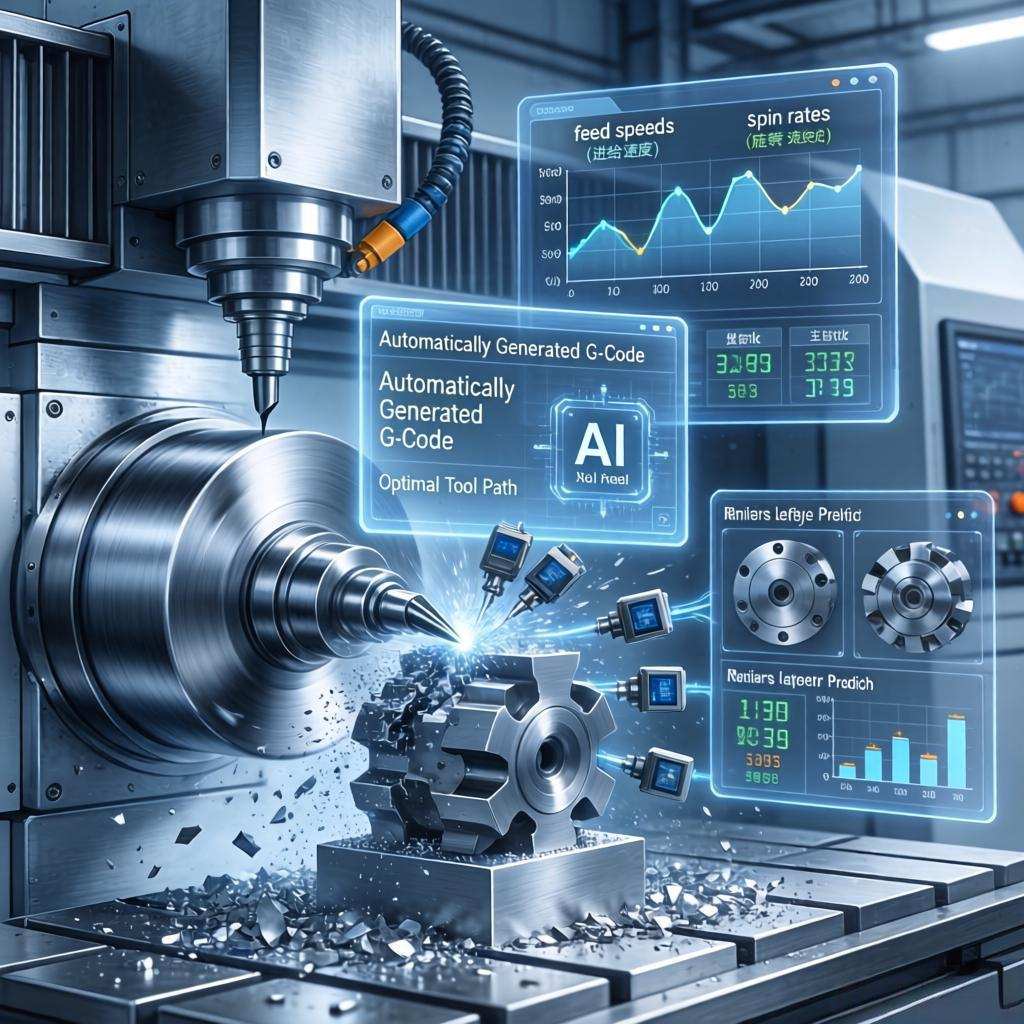
The Impact of AI on the Product Development Lifecycle
From Concept to Manufacturing: Where Does AI Add Value?
AI brings value at every point in product work, from the first ideas to final build steps. In the idea stage, machine learning algorithms build several prototypes at once from small inputs. Predictive analytics help pick materials, while cost models predict spending with good accuracy.
Machine learning models forecast product performance under real-world conditions. This predictive capability allows companies to preempt potential failures before they occur physically, reducing rework costs and accelerating time-to-market.
Enhancing Collaboration Between Humans and Machines
Platforms that rely on AI help teams from different parts of the world update designs quickly. Location does not slow them down. Designers spend more time on creative decisions. AI, at the same time, manages complex analysis work like stress testing or topology optimization. Human oversight stays necessary. It keeps the work ethical and maintains strong visual quality at every stage.
These same platforms let teams refine ideas fast across many locations. The mix of automation and human judgment shapes today’s industrial design workflows. Intelligent agents supply the power behind them.
Real-world Applications: How Are Industries Adopting AI-driven Design?
What Sectors Benefit the Most from Generative Design?
Automotive and Transportation Equipment
Automotive makers use generative algorithms to build light parts that reduce fuel use while keeping safety rules in place. These designs lower emissions by improving airflow through checks done in simulations.
Consumer Electronics and Home Products
In consumer electronics, compact ergonomic designs are achieved using AI-generated 3D models that maximize usability without compromising durability or appearance.
Challenges in Implementing AI for Industrial Design Projects
Even with its gains, adding AI to older workflows stays hard because old CAD systems often do not match new cloud platforms. Data quality affects how well the algorithms work, so ongoing training sets are needed for steady results. Workforce upskilling is critical so designers can effectively collaborate with intelligent systems rather than compete against them.
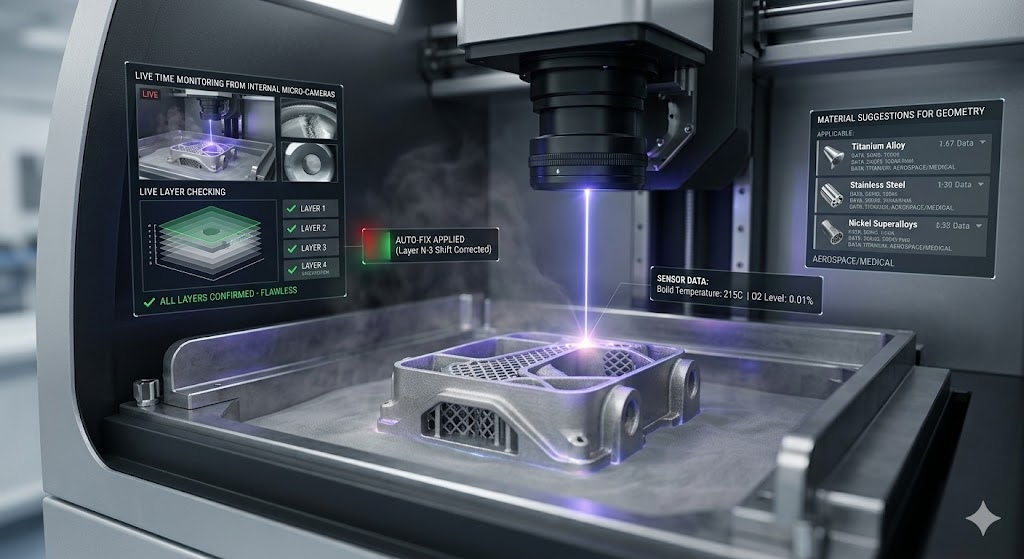
Momaking’s Contribution to the Future of AI-driven Industrial Design
Introducing Momaking’s Approach to Intelligent Product Development
At Momakingwe redefine industrial creativity through our unified platform designed for seamless integration between design inspiration and manufacturing execution. Momaking is a world-leading AI-powered industrial design agent & one-stop manufacturing platform. Our mission is simple: transform ideas into manufacturable products efficiently using advanced algorithms combined with expert craftsmanship.
We put generative design software right into our creative workflow. This helps smooth out concept development. At the same time, we focus on sustainability with precise manufacturing methods. We break down the walls between design and manufacturing. This empowers every step from styling to engineering. We mix multimodal artificial intelligence with strong engineering know-how. In this way, we create fresh solutions. These show both elegant shapes and solid structure.
Our platform offers full-pipeline support—from market research to DFM validation—without requiring complex CAD proficiency. Designers can visualize multiple concepts instantly using text or sketches while our system automatically generates manufacturable 3D structures ready for production via CNC machining or 3D printing.
Examples of Momaking’s Innovative Product Applications
Smart Home Solutions Designed with Generative Algorithms
Our smart home products feature optimized geometries for space efficiency and energy conservation derived from algorithmic exploration processes within our platform’s creative engine.
Industrial Components Enhanced by Machine Learning Insights
Through predictive modeling capabilities integrated into our workflow, we improve component reliability under various operational conditions while minimizing resource consumption during production runs.
FAQ
Q: How is AI generative design different from traditional CAD modeling?
A: AI generative design relies on algorithms. These algorithms produce several choices on their own. The choices follow set limits such as materials and cost targets. CAD modeling works in a different way. It needs designers to build every geometry piece by hand. They complete this task one step at a time.
Q: Can small businesses adopt AI-driven industrial design tools effectively?
A: Yes. Cloud-based platforms offer advanced features to smaller firms. They do so by providing scalable computing resources. These resources remove the need for large hardware investments.
Q: Will AI replace human designers in the future?
A: No. AI does not replace humans. Instead, it boosts their skills. It manages tricky calculations. This lets designers put energy into creative ideas. They build emotional connections too. They also make decisions that fit each situation. All these steps lead to strong results in products.