AI product design is moving from a novelty in concept studios to a practical layer in industrial product development. Generative systems can turn requirements, reference images and market signals into multiple directions before a team commits to detailed engineering. The value is not an autonomous designer. The value is a faster loop between a question, a visual proposal, a technical review and a physical test. In 2026, product teams still own the brief, the trade-offs and the release decision, while AI helps teams explore more possibilities with less repetitive work.
What AI Product Design Means in 2026
How AI Product Design Turns Prompts and Data into Design Options
Generative tools work best when a team gives a clear problem, intended user, operating environment and constraints. A prompt or dataset can then produce alternative forms, layouts or feature combinations. Product managers and designers can compare directions early, ask which assumptions changed, and discard weak concepts before detailed CAD work begins. The output is a set of hypotheses, not a finished specification.
The same logic applies to research. Language models can help organize customer comments, support tickets and field observations into themes for human review. Pattern finding may reveal a recurring need, but a product team still needs interviews, domain knowledge and a written requirement. This workflow changes the speed of exploration more reliably than the ownership of the decision.
Why Human Review Still Owns Every AI Product Design Decision
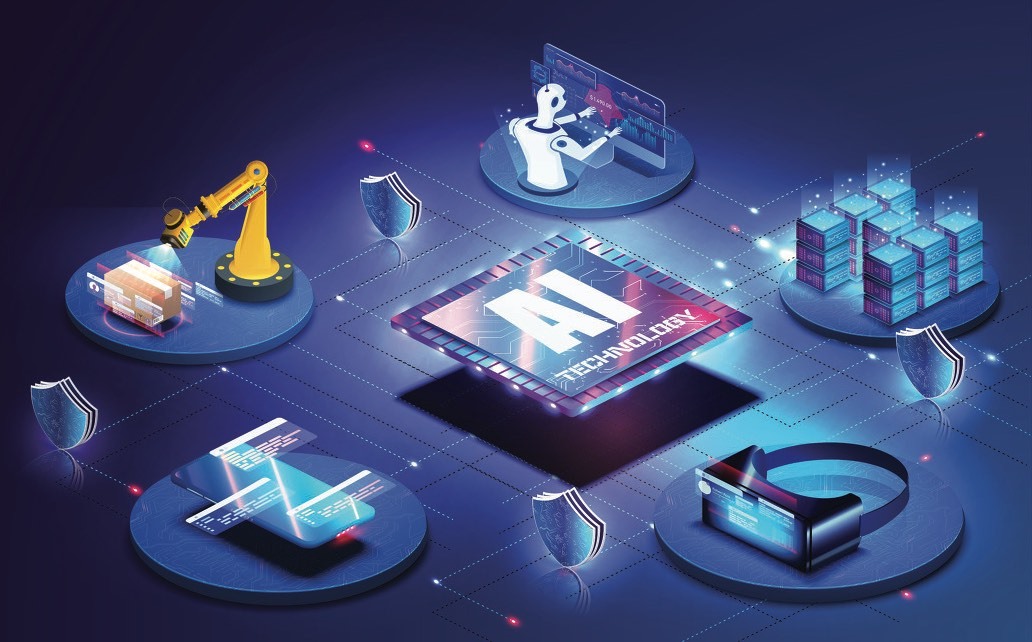
An attractive render can hide a poor interface, an impossible assembly or a material choice that fails in service. Human reviewers must test dimensions, access, safety, maintenance, cost and manufacturing constraints. Reviewers also need to check whether source data contains confidential drawings or restricted customer information.
The strongest workflow treats AI as a copilot. Designers set priorities, engineers challenge assumptions, and buyers confirm whether a proposal fits the production route. This division keeps creativity broad while keeping accountability visible. The approach becomes useful when every generated option has a reason for acceptance, revision or rejection.
Where Generative AI Changes the Product Development Workflow
AI Product Design for Faster Ideation and Concept Comparison
Early-stage teams often have too few alternatives because each alternative requires manual sketching and presentation work. Generative systems can create a wider design space from the same brief. A team can request variations in form, proportion, interface arrangement or visual language, then compare each direction against a short decision matrix.
Comparison matters more than volume. The review should record which requirements a concept meets, which requirements remain uncertain, and which new risks appear. A fast list of options has little value without a method for narrowing the list. This approach supports the front end of that method by making alternatives easier to see and discuss.
Generative Design Evaluation Before Physical Tooling
Before a concept reaches tooling, teams can use structured checks to examine load cases, clearance, thermal exposure, user interaction and service access. Simulation or rule-based analysis can identify questions for engineering review. A result should be treated as an indication, not as a certification or a substitute for a physical test.
Visual feedback also improves collaboration. When a concept is shown in a reviewable 3D form, a customer can comment on a specific surface, interface or enclosure detail rather than describing an abstract idea. The designer can then update the concept and preserve a clear decision history. This is where the workflow connects creative exploration with disciplined review.
AI Product Design Engineering Prep, Prototypes and Manufacturing Paths
An approved direction must become a structured design package. That package normally includes geometry, interfaces, material assumptions, critical dimensions and a plan for verification. A prototype can expose fit, handling and appearance issues before a production commitment.
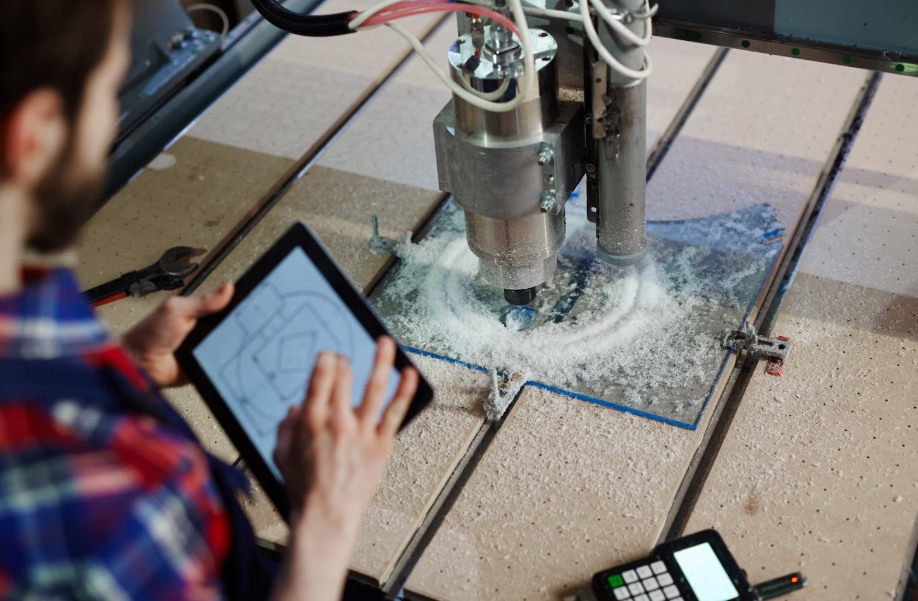
The physical route depends on the part and the volume. 3D printing is useful for rapid prototype iterations and design validation. CNC machining suits complex shapes, varied materials and small-batch or customized parts. Injection molding becomes more relevant when a plastic part requires repeatable production at a larger volume. The generative design workflow is most valuable when approved requirements reach the appropriate manufacturing conversation.
What Teams Should Verify Before Moving an AI-Assisted Design to Production
Generative Design Geometry, Requirements and DFM Review
The first gate is a design-for-manufacturing review. Teams should confirm that interfaces are defined, critical dimensions have a reference, wall and feature choices fit the selected process, and material assumptions match the operating environment. A generated surface model may need structural redesign before a supplier can quote or build a part.
The review should also identify what remains unknown. Tolerance, finish, joining method, inspection method and assembly sequence can affect cost and reliability. Writing these decisions down prevents a visually impressive concept from moving forward on implied assumptions.
Generative Design Prototype Evidence, Data Ownership and Approval Gates
Physical evidence closes the gap between a digital proposal and a usable product. A prototype can reveal interference, awkward handling, weak support features or an unexpected surface issue. The team should record the test condition, observed result and resulting design change.
Data governance belongs in the same gate. Teams should know who may access uploaded images, drawings and generated files, and should keep approval records for each major revision. These controls protect the project while preserving a clear path from concept to production.
How Momaking Connects AI Product Design to Manufacturing
AI Product Design from an Image or Concept to a Reviewable Structure
At Momaking, we use an industrial design ai agent and a structural-design workflow to help turn a customer image or design concept into a reviewable structure. Our documented process combines image processing, 3D modeling, structural analysis, visual feedback and user participation. The goal is a design direction that can be discussed and refined, rather than a promise that one generated file is automatically ready for production.
We keep the customer involved in the design loop. Feedback can focus on proportions, interfaces and practical details before a manufacturing route is selected. This approach gives the design workflow a concrete handoff point: a reviewed structural concept and a clearer set of engineering questions.
Choosing a Physical Validation Route After Generative Product Design
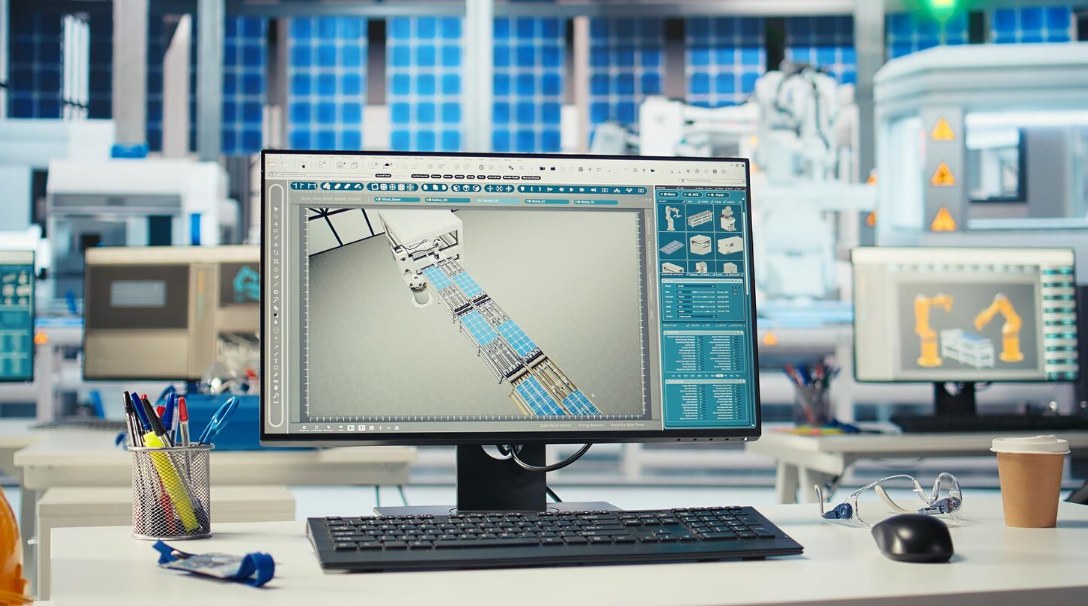
Our manufacturing services cover 3D printing, CNC machining, mold manufacturing and injection molding. We can use 3D printing for prototype learning, CNC machining for complex or customized parts, and injection molding when repeatable plastic production is the appropriate direction. The final choice depends on geometry, material, quantity and validation needs supplied by the customer.
We also support design files intended for 3D printing, CNC and molds. Buyers should still confirm dimensions, materials, finishes, inspection requirements and approval gates with the project team. Momaking’s role is to connect a reviewed design direction with practical manufacturing options while keeping the technical decisions visible.
FAQ
Q: Can AI Product Design replace a product engineer?
A: No. AI can expand options and organize information, while engineers and designers remain responsible for requirements, safety, manufacturability, testing and release decisions.
Q: Can an AI-generated concept go directly to manufacturing?
A: Usually no. The concept needs geometry review, design-for-manufacturing checks and prototype or other validation evidence before tooling or production.
Q: What should a buyer provide for an AI-assisted design request?
A:Useful inputs include reference images or a design concept, intended use, key interfaces, material expectations, approximate quantity and feedback on priorities. Momaking can use those inputs to discuss structural design and a suitable manufacturing route.