Why CNC Machining Technology is Ideal for Prototyping
CNC machining technology stands as a key element in today's prototyping. It offers strong accuracy and flexibility. CNC machining is a method of cutting materials using computer digital control technology. By programming and controlling the motion trajectory of the tool, various complex shaped parts can be accurately machined. This feature makes sure that even detailed shapes come out with great size accuracy. Thus, it fits well for fields like aerospace and electronics, where exact fits matter a lot.
Flexibility marks another main plus of CNC machining technology. You can make design changes fast. Just update the digital programs instead of rebuilding whole setups. And this quickness lets engineers tweak designs often. It cuts down the wait from idea to test. Also, CNC machining works with many materials. It handles things like metal, plastic, and wood. Such broad support helps designers pick bases that match end-use setups or fit test needs.
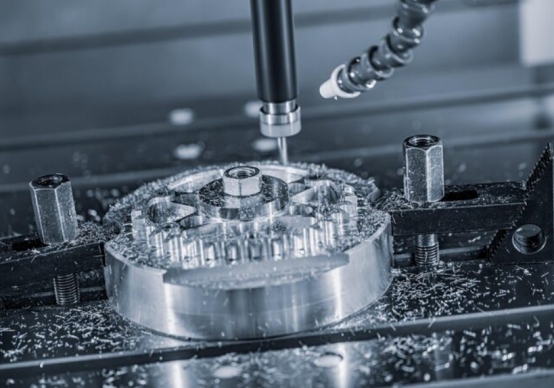
The Role of CNC Machining Technology in Rapid Prototyping
The part CNC machining technology plays in rapid prototyping goes past just making items. It links design goals to real-world checks. Rapid prototyping and batch production Minimum order quantity of 1 piece, delivered in as fast as 2 days Intelligent quoting system, quote in 3 seconds 100% full inspection before delivery, worry-free quality show how CNC systems speed up growth phases. At the same time, they keep strict quality rules.
Prototypes come out fast and right with this tech. So, engineers can run repeated tests and tweaks smoothly. Every round gains from solid repeatability. This means only design shifts affect results, not making differences. Plus, CNC machining helps build working prototypes that copy real conditions. Those allow tests on mechanics, checks on assembly, and reviews of how it performs. All this happens well before big production starts.
Key Benefits of CNC Machining Technology for Rapid Prototyping
Advantages of Using CNC Machining Technology in Prototyping
The perks of CNC machining technology in prototyping come from its steady output, budget handling, and fine surface work. CNC machining technology, with its high precision and efficiency, has always been the mainstream process for manufacturing precise metal parts. Its strong repeatability keeps quality even across many prototype runs. This proves vital for checking design strength or running side-by-side tests.
Cost savings come from smart use of materials. Other methods like adding layers might need lots of after-work or create extra scrap from supports. But CNC machining takes away just what's needed. It leaves little waste. Also, it gives good surface looks and sharp details. This happens through set cutting speeds and tool turns. So, you get prototypes that look and work much like the final ones from Momaking.
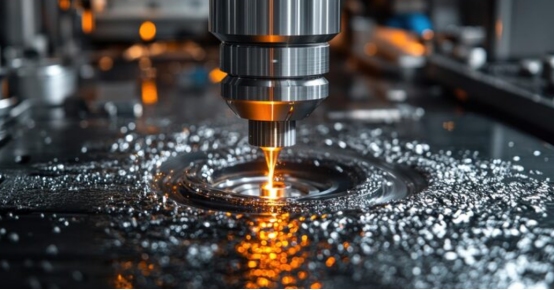
Best Materials for CNC-Machined Prototypes Using CNC Machining Technology
Material Selection for CNC Machining Technology in Prototyping
Choosing materials matters a lot for how prototypes hold up in tests. Metals get picked often for strength or heat needs. For example, aluminum suits light parts. Steel offers firm build. Titanium works for top-end uses. Plastics like ABS, polycarbonate (PC), and nylon provide cheap options for bendy or clear needs.
In terms of material selection, CNC machining is almost unrestricted and can process various metals, non-metals, and other materials. This range means engineers can test real scenarios without cutting corners on making. The pick hinges on what the prototype must do. Does it face stress checks? Or just check fit and feel? It also ties to how much it should match production stuff. For CNC machining services tailored to clients services, options from Momaking ensure reliable results.
How CNC Machining Technology Speeds Up Product Development
Accelerating Product Development with CNC Machining Technology
Quick pace ranks high among the gains from CNC machining technology in building products. With a high degree of automation, it can continuously process and improve production efficiency. Auto runs cut down on people stepping in. Yet, they keep steady quality over repeats.
This tech lets teams make fast prototype versions straight from digital files. So, groups spot design issues early on. Such finds stop big fixes later in tooling or large runs. Also, code updates happen quick without resetting machines. Thus, side-by-side work flows well. It lets many design types move ahead together to checks.
Smart quoting tools help boost speed too. AI quotation easily achieves accurate cost accounting for various types of drawings. This aids managers in smart budget choices. And it keeps short delivery times.
Bridging Prototyping and Production with CNC Machining Technology
Transition from Prototyping to Production Using CNC Machining Technology
A big plus of CNC machining technology is how it scales from small prototypes to full making. Both steps use like gear and steps, such as milling, turning, drilling. So, the shift needs little change. Through pre-programmed computer control, CNC machines can precisely perform operations such as cutting, milling, and drilling, enabling the processing of complex parts. This smooth link keeps tested traits steady when production kicks in.
Keeping accuracy over these steps boosts product trust in big lots. CNC machining has high repeatability and stability, making it suitable for mass production. The same digital models from prototypes can run huge jobs. They hold true size and shape.
Plus, same tools simplify flow control. They skip extra setup or staff training between steps. In the end, makers hit market quicker. And they hold to quality marks set in first prototype reviews.
CNC machining technology thus serves not only as a rapid prototyping solution but also as an integral bridge connecting concept validation with scalable industrial production—delivering precision-engineered results at every stage of product realization. For dedicated CNC machining and clients services, solutions from Momaking bridge the gap effectively.
FAQ
Q: What makes CNC machining technology suitable for rapid prototyping?
A: CNC machining technology excels in rapid prototyping because of its high precision, flexibility, and support for various materials like metal and plastic. It allows quick design changes and accurate production of complex parts, ideal for industries such as aerospace.
Q: How does CNC machining technology bridge prototyping and production?
A: CNC machining technology bridges prototyping and production through its scalability and repeatability. It uses similar processes like milling and drilling for both stages, ensuring consistent quality from small runs to mass production with minimal adjustments.
Q: What materials are best for CNC-machined prototypes?
A: Best materials for CNC-machined prototypes include metals like aluminum and steel for strength, and plastics like ABS and nylon for flexibility. CNC machining handles a wide range, allowing prototypes to mimic final production conditions effectively.