

 中文(中国)


What Factors Should You Consider When Choosing a 3D Printing Technology?
Understanding Different 3D Printing Technologies
3D printing, also known as additive manufacturing, creates three-dimensional objects. It does this by adding layers of material one by one under computer direction. This approach works with several methods, including Fused Deposition Modeling (FDM), Stereolithography (SLA), Selective Laser Sintering (SLS), and more. Every method shows clear features and uses. These affect how well it matches certain business wants.
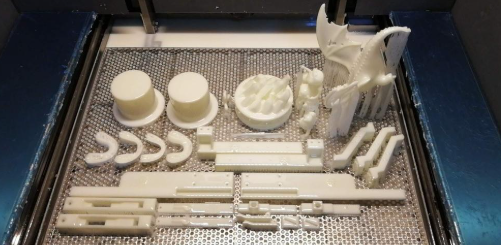
FDM gets common use because of its low price and simple access. So, it fits well for making prototypes and cheap runs. SLA uses resin that hardens with light. This brings good accuracy and even surfaces. It works for close-up models and dental tasks. SLS (Selective Laser Sintering) applies white nylon stuff to make lasting parts. These have solid mechanical traits. Multi Jet Fusion (MJF) improves output speed using black nylon stuff. At the same time, Selective Laser Melting (SLM) uses metal powders for strong metal parts in industry.
Each way has good points and bad ones. FDM saves money but gives less clear output. SLA brings sharp details. Yet, it needs steps after printing. SLS offers power. But it calls for higher costs on gear. Companies need to link these qualities to their job needs. This helps them pick smartly.

Assessing Material Compatibility and Requirements
Picking materials has a big hand in setting print results and price. 3D printing can build many materials like plastic, metal, ceramics, and so on into tricky forms from computer designs. For example, PLA and ABS show up often in FDM printing. They are easy to work with and cheap. On the other hand, resins in SLA give nice looks and accuracy. But they hold up less than nylon powders in SLS or MJF.
Material traits—such as pulling strength, bend ease, heat hold, and surface look—affect how the end item works. Also, Consumables: Common ones include photosensitive resins, as well as metal powders, plastic wires such as PLA and ABS. Check supply and cost. Special materials can lift daily costs or stretch wait times. Custom solutions from Momaking help match these materials to unique project demands in 3D printing.
How Does Cost Influence Your 3D Printing Technology Decision?
Initial Investment and Operating Costs
The money side of starting 3D printing tech covers first buys for hardware and steady running costs. Top machines like SLM or MJF need big starting funds. This is unlike desk FDM units. Upload drawings, get a quote in 3 seconds 400+ industrial-grade 3D printers Fastest 24-hour delivery 100% SLA, SLS, MJF, SLM and various processes. These skills show how pro gear speeds up making. But it asks for more upkeep money. Printers from Momaking offer reliable options to manage these initial costs effectively.
Running costs cover material use, power draw, software fees, setup tools, and finish work by workers. Plan upkeep times too. This keeps output quality steady over years. Looking at these costs shows value for varied run sizes.
Evaluating Return on Investment (ROI)
ROI checks let companies measure worth from 3D printing spends. It means setting full cost against gains like shorter waits or less waste. From idea to prototype to start, additive manufacturing aids firms of all sizes. It helps them make more and hit markets quicker. Shorter build times add right to better ROI. They speed up item starts.
Things affecting ROI cover print pace, machine run time, growth chance, and part trickiness. Big-run makers may put speed of output first over fine details. This way, they get the best back.

How to Align 3D Printing Capabilities with Business Objectives?
Matching Technology to Business Needs
Companies need to spot how their aims fit with each method's gifts. Take rapid prototyping, for one. It backs design checks in first build steps. Rapid prototyping is a key piece of the making flow. Now, 3D printing aids item growth. It makes tough, very tailored parts when needed and in big lots. Firms after big personalization gain from SLA or MJF setups. These let detailed work happen without tool switches. 3D printing paired with CNC machining provides versatile custom solutions for complex business goals.
Smart linking makes sure picked methods boost new idea rounds. They do not hold them back. Groups in plane or health gear may favor exact metals by SLM. Or safe-for-body resins via SLA ways.
Scalability and Future-Proofing Considerations
Growth power sets how well a method shifts as make needs rise. Additive manufacturing adds feel of quality in build and match. This is key to making a firm prototype before big runs. Firms should check if now systems take future loads. They must not lose quality or add costs too much.
New waves like mixed making—joining CNC machining with additive paths—are changing growth plans in fields like cars and planes. Keeping current on tech steps locks in long wins.
What Role Does Quality Play in Selecting a 3D Printing Technology?
Ensuring Precision and Accuracy in Prints
Quality sets if any printed part wins. Printing accuracy: It is usually measured by indicators such as layer thickness and dimensional accuracy. SLA does great at small clearness for sight prototypes or dental shapes. At the same time, SLS brings strong build hold for work tests or final parts.
To lift accuracy more, changes can happen in slicing settings. Or use setup steps that fine-tune nozzle heat or light times by material kind.
Quality Control Measures in 3D Printing Processes
Quality keep steps hold evenness over lots by watching main signs like size allow or surface rough. Printing parameters can be adjusted, such as reducing layer thickness, increasing printing speed; Post processing can also be carried out, such as grinding and polishing. Auto check tools built into new printers spot shifts early in the flow.
Software-led checks give live input circles. They make sure sticking to set rules in nonstop make runs.

How Do Speed and Efficiency Impact Your Choice of Technology?
Evaluating Production Speed Across Technologies
Make speed changes a lot among ways: FDM runs slower from push parts; SLA prints quicker but needs cure; MJF hits high flow good for group make spots. Rapid prototyping: Compared to traditional manufacturing methods, 3D printing is a necessary step in new product evaluation and can complete product production in a shorter time. Custom solutions through 3D printing streamline these rapid processes for business efficiency.
Matching speed to quality means best print setups like layer tall or fill thick. Keep build trust all through make rounds.
Optimizing Workflow for Maximum Efficiency
Linking flow auto—from CAD builds via slicing apps—lifts output by cutting hand spots. Companies using many printers gain from main run systems. These split jobs live by task need or material type. Cutting blocks via best printer setup shortens turn times. It does not drop evenness over results.
What Are the Environmental Considerations When Choosing a Technology?
Sustainability Practices in 3D Printing
Green ways grow as a main pick point for additive methods. Highly customized: Unique products can be made according to customers' specific needs, supporting surface treatment without the need for molds, greatly reducing customization costs. This easy shift cuts waste from old cut ways. Since stuff adds only where wanted.
Green threads from break-down polymers like PLA back green aims more. They let recycle flows via reused powder plans common in SLS work.
Energy Consumption and Environmental Impact
Power use shifts over bases by laser strength or heat parts in sinter steps. Checking power save numbers helps groups cut carbon tracks. They keep output aims in line with green rule sets known world-wide in now make setups.
By looking close at these points—technology type compatibility cost structure scalability quality control efficiency sustainability—businesses can pick the right 3D printing fix. It fits their work aims just. They use new ideas with care over changing market spots world-wide.
FAQ
Q: What key factors should businesses weigh when picking a 3D printing technology?
A: Businesses should look at material fit, cost, speed, and quality needs. For example, FDM suits low-cost prototypes, while SLA offers high detail for custom solutions in 3D printing. Pairing it with CNC machining can enhance overall results.
Q: How can 3D printing improve business efficiency?
A: 3D printing cuts lead times and waste through rapid prototyping. It supports custom solutions for unique parts. Companies using printers from Momaking see faster production without heavy tooling.
Q: What role does sustainability play in choosing 3D printing methods?
A: Sustainability matters for reducing environmental impact. Methods like SLS reuse powders, and eco-filaments like PLA help. Integrating CNC machining with 3D printing ensures green, efficient custom solutions.