Key Factors That Influence Aluminum CNC Machining Costs
What Determines the Overall Cost of Aluminum CNC Machining?
Material selection stands out as a key factor affecting costs directly in aluminum CNC machining. Different grades, such as 6061, 5052, or 7075, differ in price and how easy they are to machine. Picking an alloy that matches strength needs with good cutting performance can lower expenses quite a bit. For example, 6061 sees wide use because it cuts well and keeps costs down in both custom CNC fabrication and CNC machining projects.
Part geometry matters a lot, too. Complex designs with lots of curves or internal details call for extra programming and careful toolpath work. For parts with complex curved surfaces, special-shaped contours, or intricate internal structures, CNC machining can easily plan the tool path by means of programming and then accurately create complex shapes. This level of precision helps function but also raises setup time and total cost.
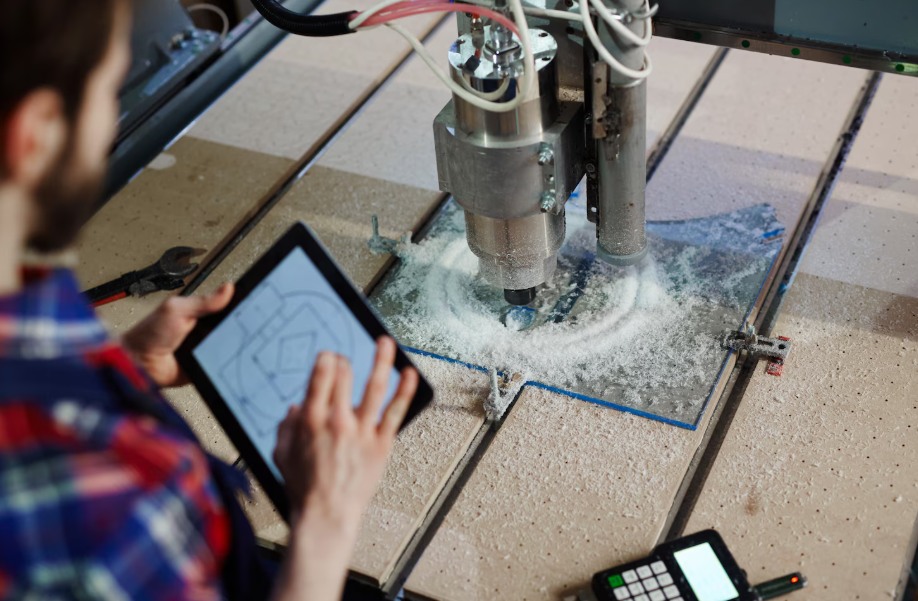
Tight tolerances, smooth surface finishes, and extra steps like anodizing or polishing push production costs higher. For parts with extremely strict requirements for dimensional accuracy, shape accuracy, and surface roughness, CNC machining is undoubtedly the best choice. CNC machining has the ability to accurately achieve the predetermined accuracy targets. Still, asking for tighter tolerances than needed can increase inspection time and raise rejection rates.
The Impact of Machine Time and Labor
Machine time ties straight to running costs. Longer cycles use more power, wear tools faster, and need more upkeep. Skilled labor adds to the total because good programmers must set up the best CNC techniques for each part.
Good scheduling cuts idle time by grouping similar jobs. In shops where several machines run at once, such as 3-axis or 5-axis setups, spreading work evenly keeps output steady without extra stops.
How Design Choices Affect Machining Expenses
Why Simplifying Part Geometry Can Lower Costs
Simplifying part geometry ranks as one of the best steps to lower aluminum CNC machining costs before quoting. Cutting out extra contours shortens run time and reduces toolpath complexity. Avoiding deep pockets or thin walls also stops tool breaks that cause rework or scrap during custom CNC cutting enhance projects.
Using standard radii and hole sizes lets shops use tools they already have instead of ordering special ones. This step cuts setup costs and improves consistency across batches.
Design for Manufacturability (DFM) Practices in Aluminum CNC Machining
Design for Manufacturability (DFM) keeps parts inside normal machining limits. Engineers should match design features to available tools and check access when planning internal corners or pockets.
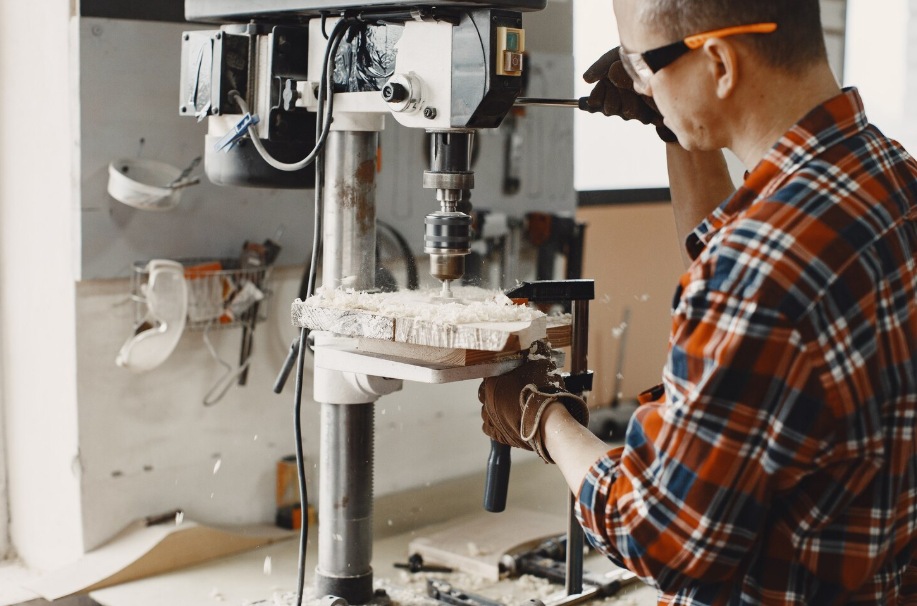
Good part orientation reduces extra moves during production. CNC machine tools intelligently optimize the spindle speed and feed rate according to the material and processing requirements, and multiple axes work in coordination, significantly reducing the processing time and showing high-efficiency advantages in batch production. The same idea works for single prototypes or large runs of CNC plasma cutting aluminum applications.
Material Optimization Strategies Before Quoting
How to Choose the Right Aluminum Alloy for Cost Efficiency
Picking the right aluminum alloy helps hold down production costs. Take alloys like 6061 as an example. They deliver a strong mix of strength, simple machining, and a lower price than tougher grades such as 7075. Do not use higher-grade materials on parts that do not need them. Such materials push up raw material costs with no clear gains in performance.
Supplier stock levels also affect price. Picking alloys that are easy to get shortens lead times and avoids delays that could slow quoting.
Reducing Waste Through Smart Material Sizing
Material waste drops when stock size is chosen with care. Using billets or plates close to final part size cuts scrap during custom CNC fabrication runs. Good nesting plans let several parts come from one block.
As a subtractive manufacturing process, CNC machining removes various parts from a material workpiece until it reaches a shape that conforms to design blueprints. Good stock sizing therefore controls how much material and money gets lost as waste.
Process Efficiency and Toolpath Optimization Techniques
How Machining Parameters Influence Cost Reduction
Setting spindle speed and feed rate to match the alloy keeps chips flowing without quick tool wear. Adaptive roughing holds a steady load on tools and shortens cycle times.
High-efficiency aluminum CNC milling tools made for aluminum give better surface finish while holding tight tolerances in all CNC custom machining operations.
CNC machining precisely controls the movement of the machine tool through computer programs, accurately sets the tool path and cutting parameters. Fine-tuning these values early gives quotes that match real shop performance.
The Role of Setup Reduction in Lowering Quoting Prices
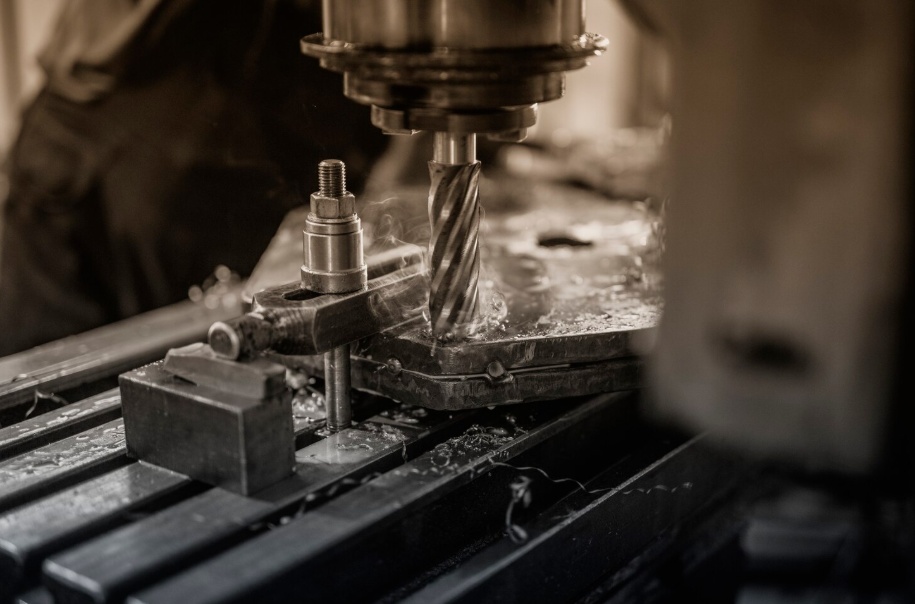
Setup reduction helps keep quotes competitive. Combining steps into one setup removes repeated fixture changes. Modular fixtures speed swaps between part types, which helps with small-batch work that needs flexibility.
When enterprises face various customized demands from different customers and the types of processed parts need to be frequently changed, CNC machining shows its flexibility advantage. Using this flexibility in the planning stage lowers extra costs from constant changes.
Partnering With Momaking for Cost-Efficient Aluminum CNC Machining Solutions
Why Choose Momaking for Your CNC Projects?
At Momaking, we focus on precision aluminum CNC machining services that pair advanced machines with solid engineering know-how. Our aim is to supply quality parts quickly through smooth workflows built on years of work in smart manufacturing settings.
Rapid prototyping and batch production capabilities allow us to handle everything from single prototypes to large-scale production runs seamlessly using advanced CNC techniques tailored for each client’s needs.
Momaking’s Capabilities in Aluminum Machining
High Precision Manufacturing
Our multi-axis machines deliver high precision for aerospace, automotive, electronics, and industrial uses. The positioning accuracy reaches ±0.005 - ±0.01mm, and the repeat positioning accuracy reaches ±0.002 - ±0.005mm, ensuring accurate machining without errors.
Comprehensive Support from Design to Delivery
We give DFM feedback before quoting, so clients can improve designs early. This step helps cut unneeded costs while keeping part strength in projects involving CNC machining solutions.
Consistent Quality Control
Every order goes through strict checks before shipping. 100% full inspection before delivery, worry-free quality ensures every component meets exact specifications whether it’s rapid prototyping or mass-production scale custom CNC fabrication work.
FAQ
Q: What are the easiest ways to cut aluminum CNC machining costs before quoting?
A: Make the shape of parts simpler. Pick lower cost alloys such as 6061 over 7075. Cut down on extra tight tolerances. Set up efficient processes from the beginning. Ask your supplier for design feedback before you lock in the prices.
Q: How does order quantity influence aluminum machining pricing?
A: Larger batch sizes spread setup costs across more units which lowers per-part prices compared with small-volume runs typical in prototype manufacturing stages.
Q: Is it worth outsourcing aluminum CNC machining overseas?
A: It depends on project priorities. Overseas suppliers may offer lower unit prices at first, yet local partnerships with companies like Momaking give faster communication, shorter lead times, stronger quality control, and secure file handling through every stage of production, including CNC plasma cutting and aluminum processes.