Factors Influencing CNC Machining Precision
What Determines the Accuracy of CNC Machining?
CNC machining accuracy relies on several mechanical and environmental elements. Machine stiffness keeps the device steady during fast operations. Spindle positioning and tool state directly affect size uniformity. Misalignment or tool damage can create errors in the final piece shape. External factors like temperature changes and shaking also matter a lot. They might cause heat swelling or shaking effects that harm exactness.
Worker skills and how often you check the machine are just as important. Trained workers know how to prepare devices correctly. They pick suitable cutting settings and read measurement info well. Frequent adjustments make sure the machine paths stay in sync with the control setup. This keeps reliable exactness over many production batches.
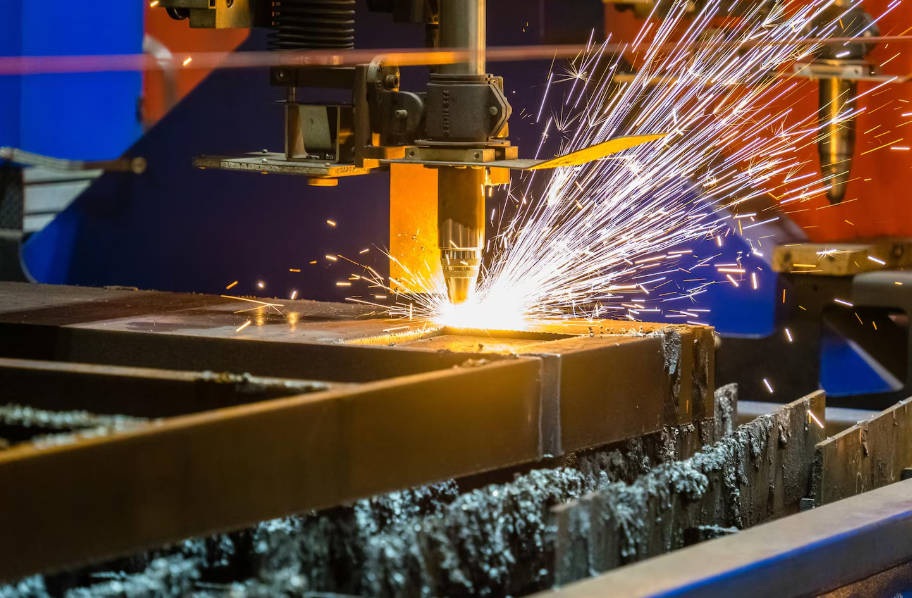
For components needing very strict size exactness, form exactness, and surface smoothness, CNC machining stands out as the top option. It can hit the planned exactness goals precisely. This shows why keeping mechanical strength and steady surroundings is key to good results in CNC custom machining processes.
The Relationship Between Material Properties and Machining Accuracy
Material traits like toughness, flexibility, and heat swelling greatly impact cutting results. Tougher materials need slower speeds and stronger tools to avoid bending. Flexible materials might bend if not held firmly. Choosing materials with small heat swelling rates helps cut down on size shifts during CNC high-speed machining jobs.
As a subtractive making method, CNC machining removes bits from raw stock until it matches the design plan. This way is cost-effective and highly productive. With CNC machining, you can make hardware parts and models with steady exactness and fine details. This idea highlights how steady materials under pressure ensure reliable outcomes in custom CNC fabrication or tricky part making.
Techniques to Enhance CNC Machining Precision
How Can Calibration Improve CNC Accuracy?
Calibration matches machine paths with the control setup. It ensures each motion fits the programmed spots exactly. Tools like laser measurers or ball-bar devices spot tiny location mistakes early. They prevent issues in output quality. Planned upkeep reduces shifts in parts due to use or heat changes.
Adding auto-check routines in modern CNC techniques lets workers confirm device performance fast. It helps keep even output in tough settings.
Tooling Strategies for Better Precision
Tool Selection and Maintenance
Top-grade cutting tools with the right coatings cut down on rubbing, slow wear, and boost surface quality during custom CNC cutting, enhancing projects. Regular checks stop tool wobble—a usual reason for size errors—and keep even cutting power over the whole process.
Tool Path Optimization
Smart CAM programs create better tool routes for smoother shifts between slices. These cut back on quick direction turns. As a result, they lower tool bending and improve both shape exactness and surface state. Better routes also shorten run time while holding close limits. This is a big plus in CNC high-speed machining setups.
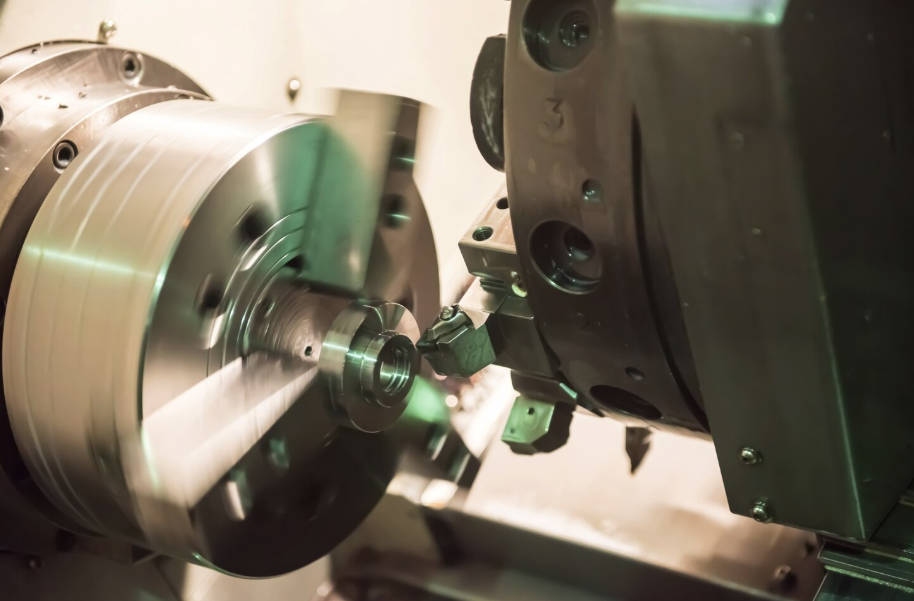
Fixturing and Workholding Methods to Reduce Errors
Stable Clamping Systems
Firm holders are essential for keeping the workpiece steady in fast runs. Flexible holder setups offer options for varied shapes without losing exactness. They aid quick preparations in mixed production cases.
Vibration Control Measures
Shake-absorbing stuff or buffers can join machine bases or holders to absorb mechanical shakes. This cuts chatter lines on surfaces and boosts overall size steadiness. It is vital for exact parts needing under-millimeter limits.
Environmental and Operational Improvements for Higher Precision
How Does Temperature Affect CNC Machining?
Temperature shifts directly influence machine frames and workpieces from heat swelling. In long runs, small changes can cause clear size errors. For prototypes, the program tightly controls tool speed and feed levels. You can adjust them as needed. This cuts rubbing heat, stops material bending from excess warmth, and keeps the size and look quality. A steady workshop setting helps even results across groups.
Operator Practices That Support Precision Workflows
Worker training is key for steady setup steps, measuring ways, and process watching. Using live tracking systems spots issues early, like spindle load oddities or tool wear signs. These steps together boost trust in CNC custom machining jobs. They make sure human elements match tech exactness rules.
Digital Enhancements in Modern CNC Systems
The Use of Automation and Smart Controls in Precision Improvement
Auto techs have changed what CNC machining is into a digital-tuned process that fixes itself. Closed-loop feedback setups keep checking ordered spots against real moves. They auto-fix errors right away. AI-based upkeep prediction spots problems before they cause stops or exactness drops. These are the main gains for makers aiming for no-fault output via smart CNC techniques.
Data Analytics for Continuous Process Optimization
Gathering full machining info aids pattern checks to better process steadiness over time. Statistical Process Control (SPC) can spot changes before they hurt the part's state. This lets fixes based on number proof, not guesswork tweaks. Linking analysis tools boosts tracking over all production steps—from model design to last check. It ensures ongoing gains in exactness, making flows.
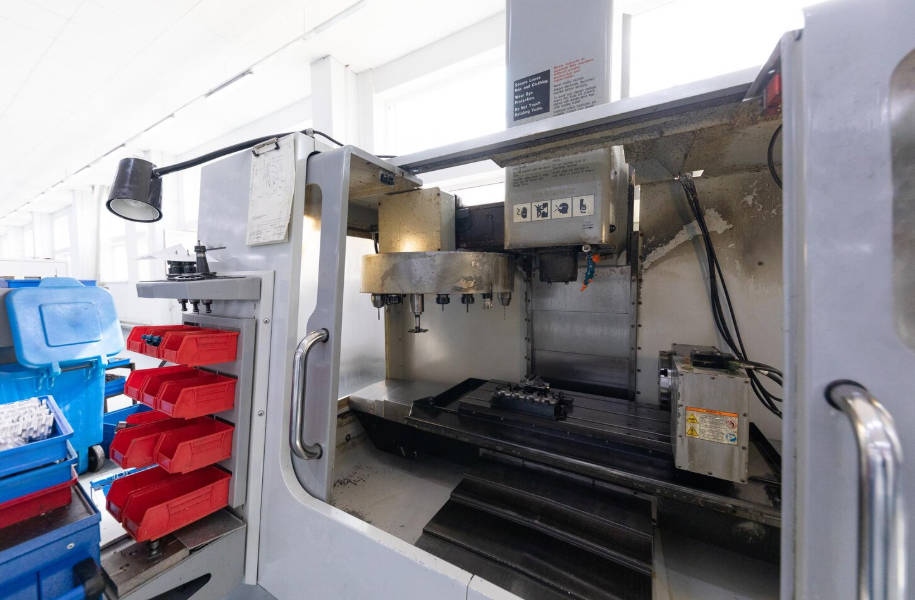
Momaking’s Contribution to High-Precision CNC Machining Solutions
Who Is Momaking and What Are High-Precision CNC Machining Solutions?
At Momaking, we focus on giving advanced CNC machining options for close-limit uses in many fields. Quick model making and group output services help clients move easily from idea to ready goods at top speed. Our smart quote tool gives fast cost guesses in seconds. It also ensures full checks before shipping for a calm quality promise.
We work with a wide list of materials like aluminum mixes, stainless steels, titanium mixes, plastics, copper mixes, and tech polymers. This lets us fit complex designs via exact custom CNC fabrication skills matched to each job's wants.
How Momaking Enhances Machining Precision Through Technology Innovation?
At Momaking, we blend new check tools like laser size systems with firm holder answers that promise spot steadiness in machining rounds. CNC machining tightly controls machine tool moves via computer plans. It sets tool routes and cutting settings exactly. Our method mixes tuned cutting plans with live watch techs that hold steady exactness norms at every production step.
Via smart making ideas—including AI-driven auto—we keep tuning our steps to give better results in CNC high-speed machining jobs. We also cut wait times for world clients wanting high-quality parts.
FAQ
Q: What Are the Main Causes of Inaccuracy in CNC Machining?
A: Usual reasons include heat swelling on machines or workpieces, too much tool wear causing bad surface state, wrong checks after upkeep tasks, or shaky holder setups that bring shake-caused size shifts.
Q: How Often Should a CNC Machine Be Calibrated for Optimal Results?
A: Checks should happen at least once every six months. Or do them right after big upkeep work to keep a steady match between control program orders and mechanical path moves.
Q: Can Software Upgrades Really Improve CNC Machining Precision?
A: Yes. Newer control programs often add better move math, fix features for play correction, faster servo reply times, and stronger feedback methods. All these help raise overall CNC machining precision output via digital tune setups.