How Is the AI Creative Engine Transforming B2B Marketing Efficiency in 2026?
The Strategic Role of the AI Creative Engine in B2B Marketing
The AI creative engine is changing how B2B marketers handle ideation, content creation, and personalization. It uses artificial intelligence to automate creative tasks that once demanded a lot of manual work. These engines help marketers create campaign materials more quickly. At the same time, they keep brand consistency across various channels. The automation of ideas and design is like industrial innovation approaches. In those, users simply enter their creative goals. Then, the AI agent offers complete support. This ranges from market research and style creation to engineering checks. The same idea works in marketing. AI systems review data inputs. They produce refined creative results that match strategic aims.
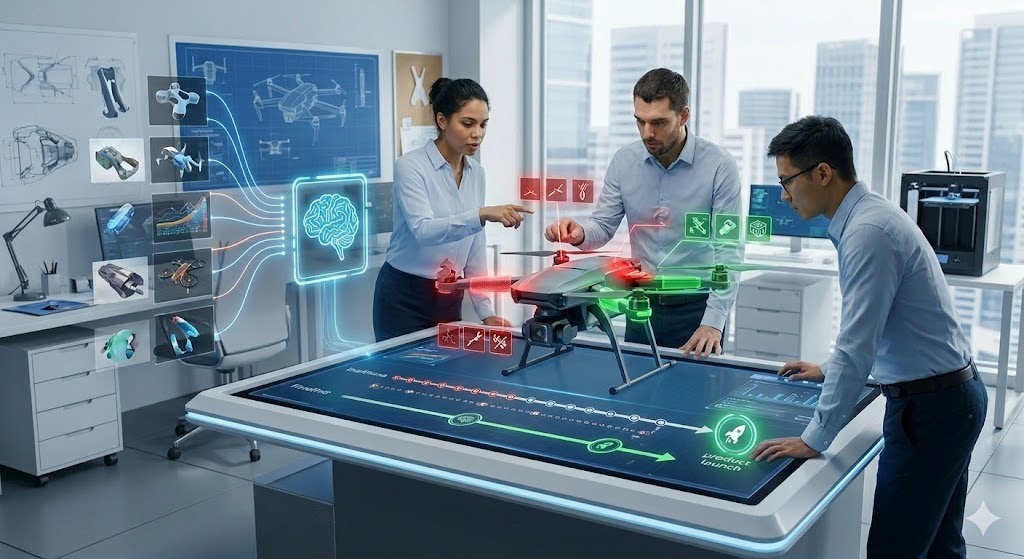
Why 2026 Marks a Turning Point for AI Creative Engine Adoption
The year 2026 is a key moment for AI creative engine use. This happens because of the mix of ready data systems, improved machine learning tools, and expandable automation setups. As companies reach better data readiness, they can supply purer datasets to AI engines. This leads to more exact content making. Rivalry forces also push use. B2B buyers now want custom experiences like those in consumer settings.
Rules about openness and moral AI shape new ideas too. Firms need to follow standards when using automatic systems for customer content. Moral guidelines direct proper use. They keep trust between brands and clients. This is like industrial uses. There, we focus on turning school research into real AI-based fixes. These help businesses speed up digital changes and industry updates. It shows how rules support tech growth in many fields.
The Core Components of an AI Creative Engine for B2B Marketers
Data Intelligence as the Foundation of the AI Creative Engine
Data intelligence builds the base of every AI creative engine. Organized data from CRM systems joins with unorganized sources like social media or buyer comments. This trains creating models that grasp audience actions. Customer Data Platforms (CDPs) bring these views into one storage spot. They allow forward-looking analysis that improves message timing and style across channels.
This method is like industrial design systems. There, AI-led large model-based design making and improvement rely on ongoing learning from many-sided datasets. In the same way, forward-looking analysis in marketing lets engines predict involvement results. They base this on past performance trends.
Automation and Content Generation in the AI Creative Engine
Creating algorithms in the AI creative engine make text, images, video outlines, and interactive media. These fit different buyer types. They change messages based on sales funnel steps. These include awareness, consideration, or choice. This keeps things relevant at each contact. The flexibility is like design steps. In them, AI-aided making from idea to 3D plans creates options for various production needs.
Process automation makes sure that made content links easily with campaign running tools. These include email setups or ad handlers. This joining shows manufacturing fixes that offer one-click ties to making services like 3D printing and CNC machining. In both areas, automation connects creativity with running efficiency.
Integrating the AI Creative Engine into Existing B2B Marketing Systems
Aligning the AI Creative Engine with CRM and CDP Infrastructure
For good setup, linking the AI creative engine with CRM systems and CDPs is vital. A combined data stream allows matched lead ranking, grouping, and custom outreach plans. When set right, marketers get a full picture of each account's path. They also ensure steady messaging across contact points.
Yet, linking brings issues like those in industrial software building. Developers there fix matching problems between design tools and production systems. In this case, it reaches fast full change from "creative spark" to "ready-to-make final item." This cuts R&D test and error costs a lot. In the same way, marketing teams can speed up test rounds. They do this by tying analysis right to creative output engines.
Ensuring Cross-Team Collaboration Through the AI Creative Engine
Teamwork across functions gets smoother when marketing, sales, and design groups share entry to live creative smarts from cloud systems. These joint spaces encourage joint making. There, human skills polish machine-made ideas before release.
The idea matches industrial new ways that boost teamwork through digital setups. They build a joint system for the future of smart industry. Results like shorter turnaround times or more campaign output help check teamwork efficiency wins from shared entry to automatic tools.
Measuring ROI and Performance Through the AI Creative Engine in 2026
Key Metrics for Evaluating AI Creative Engine Impact on B2B Campaigns
Checking success needs clear KPIs. Content speed shows how fast new items are made. Involvement rise follows audience action gains. Change rate gain measures money effects. Link modeling spots which contact points add most in multi-channel plans.
Comparing to old workflows shows efficiency edges like those in smart making settings. There, gains cut time from product idea to 3D form making from days to minutes. In a like way, B2B marketers see big drops in time-to-market with automatic creative lines.
Long-Term Efficiency Gains from Implementing an AI Creative Engine
With time, groups see cost cuts by automating repeat jobs like text change tests or item place changes. Growth also gets better. Global plans can make local versions right away using language-based datasets. Ongoing learning circles improve model exactness through result feedback.
This step-by-step improvement is like making cycles. There, AI-made models mostly fit 3D printing rules. This allows easy prototyping. It shows how self-bettering algorithms keep long-run work gains across fields.
Ethical and Strategic Considerations for Using an AI Creative Engine in B2B Marketing
Balancing Creativity and Compliance Within the AI Creative Engine Framework
Keeping brand voice steadiness is key even when using creating algorithms. Groups must add watch systems. These make sure outputs follow company style rules. They also honor rule standards on openness in automatic content making.
Idea property issues come up about rights to machine-made items. This talk is like industrial settings. There, full-process service covers online quotes, order placing, production following, and quality checks (100% before-shipment checks). It guarantees tracking through making chains. Like tracking rules should work in digital marketing spaces for answerability.
The Future Evolution of Trust in AI-Powered B2B Marketing Ecosystems
Proper use of an AI creative engine builds trust with clients. They value openness in algorithm choices. Rule setups must ensure moral actions through check paths and bias cut plans. As human-AI teamwork grows past 2026, marketers will more often act as guides for smart systems. They won't be manual doers.
This change shows industrial goals stressing links between people and machines. Everyone is a maker: your focused AI industrial design helper powered by AI from first idea to ready product. In the same way, every marketer becomes a plan leader enabled by smart creativity. They aren't held back by work limits.
AI creative engines from Momaking greatly cut down on manual tasks. We also boost campaign speed and accuracy. This is similar to how AI-driven quick quotes, web-based ordering, and safe workflows lower costs and increase efficiency in manufacturing. Marketing teams gain from simplified processes. These eliminate unnecessary jobs. Linking with marketing automation tools makes sure that created content flows straight into CRM systems or ad networks. It deploys right away. This smooth link is like industrial design setups. In them, the full process goes from a "one-sentence description" to "creating 3D models." Then it moves to "placing an order and producing." This shows the worth of complete automation.
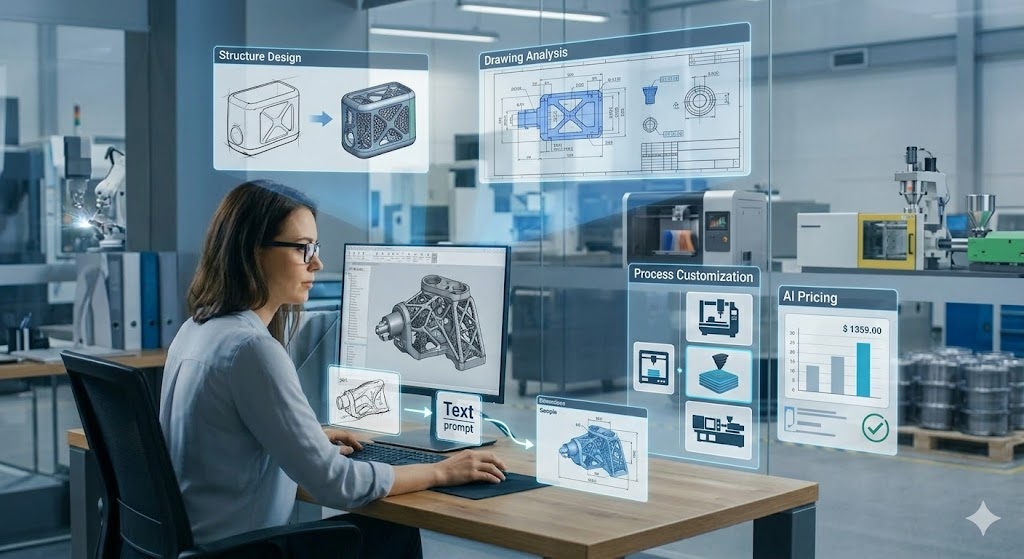
FAQ
Q: What is an AI Creative Engine in B2B marketing?
An AI creative engine is a setup that mixes artificial intelligence, automation, and data review to create custom marketing content on a large scale. It boosts efficiency by making fitting messages quicker. It stays in line with brand aims.
Q: How does an AI Creative Engine improve B2B marketing efficiency?
The engine automates repeat creative jobs. It refines messages with forward-looking views. It joins smoothly with CRM or CDP systems to give steady customer experiences across channels.
Q: What should companies consider before adopting an AI Creative Engine in 2026?
Groups should check their data setup readiness. They need to follow moral standards. Train teams on human-AI teamwork. Set clear result measures to check ROI well.