What Is AI-Driven Equipment Monitoring and How Does It Work?
The Core Concept Behind AI-Driven Equipment Monitoring
AI-driven equipment monitoring stands as a game-changing way to run industrial tasks. It mixes artificial intelligence with sensor tools. This setup keeps gathering machine data all the time. It then studies the data right away. The goal is to have a smart watch over every part of a production site. Sensors plus IoT tools track things like heat, shake, force, and power use. They form a steady loop of feedback. The loop helps with planned upkeep and better process flow. Machine learning models spot odd signs that could point to future trouble. They catch these signs early, before small issues turn into big losses. This way sits at the heart of AI-driven manufacturing equipment. Here, automation and smart tools lift both trust in machines and the level of output.
How Data Collection and Analysis Enhance Factory Operations
AI tools bring real-time views to all factory assets. Steady data from machines lets teams spot wear early. Maintenance crews can then move ahead of problems instead of chasing them later. Predictive tools guess upkeep needs from past patterns. They stop sudden stops that break production runs. Clear charts turn hard data sets into useful steps for managers. This base lifts daily output. It also cuts waste and helps use resources in a smarter way. The result supports greener factory habits.
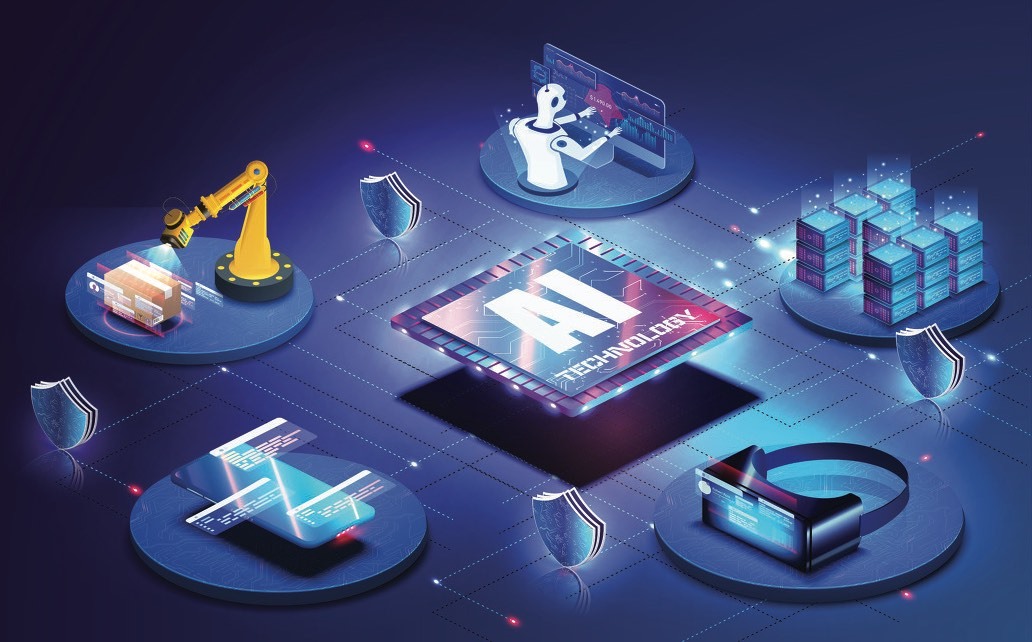
How AI Enhances Factory Efficiency
In What Ways Does AI Improve Production Line Performance?
AI lifts line output by studying workflow. It tweaks schedules and resource use on the fly. Auto checks cut idle time from human slips. They hold product quality steady with smart control steps. These systems change machine settings in the moment. They handle shifts in raw stuff or room conditions. Output stays even as a result. Such steps fit the idea of AI-powered production. Smart rules run complex factory tasks on their own.
Reducing Energy Consumption Through Intelligent Monitoring
Power use matters a lot for plants that aim for green goals. Smart checks let AI find machines that waste power for the output they give. Fine-tune steps, then point out changes or resets. These lead to clear drops in power bills. Round-the-clock checks keep work in line with green rules. They also back the company's green plans. As more sites bring in AI in manufacturing and production, these tools help balance output with care for the earth.
Increasing Equipment Reliability Through Predictive Maintenance
Why Predictive Maintenance Matters in Modern Manufacturing
Predictive upkeep forms the base for steady machines in today’s tight market. It uses live data to stop surprise breaks that could pause whole lines. Service done on real need stretches the life of costly gear. It also trims spare stock costs by guessing needs with care. This shift turns upkeep from a must-do task into a smart edge inside an AI supply chain manufacturing setup.
The Process of Implementing Predictive Maintenance with AI
Key Steps in Integration
Start by placing sensors on key machine parts. They gather fine detail on how things run. Set base numbers in the first setup stage. These numbers train the learning models well. The models get better over time with fresh data. They grow more sharp at finding small shifts from normal runs.
Benefits Observed After Implementation
After the setup, plants see fewer surprise stops. Production runs stay smooth for longer. Teams move from daily checks to smart planning with the help of forecasts. Steady output builds buyer trust through on-time ship dates. This matters most for fields that need exact work.
How AI Supports Decision-Making and Workforce Productivity
Can AI Help Human Operators Work More Efficiently?
AI screens give staff live facts during shifts. They guide choices without the need for nonstop watching. Auto notes reach teams fast when odd signs show up. Staff can step in quickly before small faults grow. Reports from AI also feed training plans. They show trends and weak spots, so skills grow over time.
Using Predictive Insights for Strategic Planning
Long-range forecasts help shape big plans across teams. Leaders can test different output ideas in a virtual space first. They check possible gains before any change hits the floor. This lets groups place resources with care and cut risk. It marks the strength of AI-driven manufacturing equipment setups built for quick shifts and strong backup.
Momaking Contribution to Smart Factory Transformation
About Innovative Solutions in Equipment Monitoring from Momaking
Overview of Momaking’s Technology Approach
Momaking leads in AI-powered industrial design tools and full manufacturing platforms. Anyone can create. The platform acts as your AI design helper. It turns a quick idea into a ready product, all driven by smart tools. We blend fine sensors and AI studies into factory setups. Makers can track assets from afar with high accuracy.
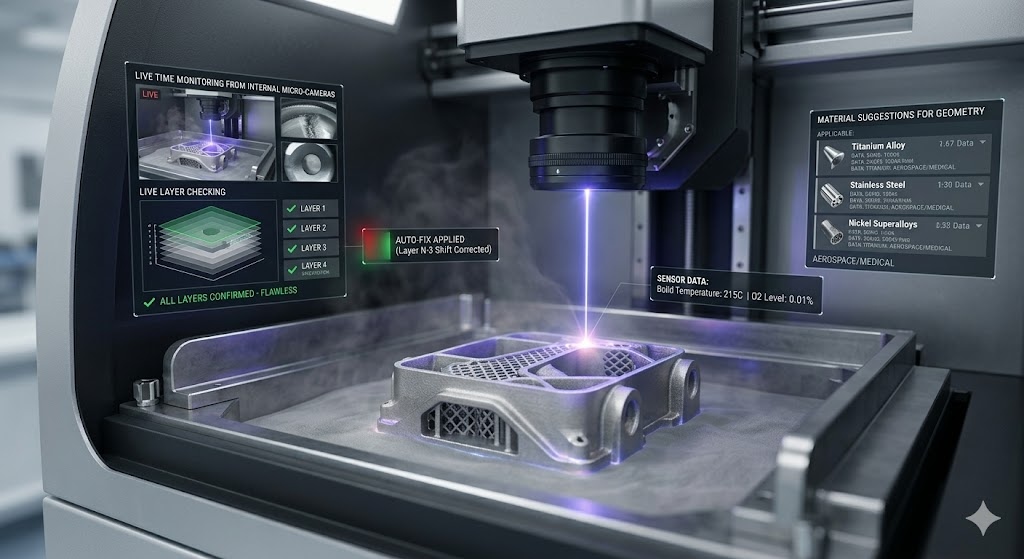
Key Features of Momaking’s Product Lineup
Structure, Image, Assistant, and 3D all work inside one chat space. Our tools catch odd signs in real time with our own learning models. They spot small shifts at once. The design grows with ease across many plant sizes, from small shops to large auto lines. The screen stays simple, so even new users can read it with ease.
Impact on Factory Efficiency and Reliability with Momaking Solutions
Our full tools bring clear drops in idle time and upkeep costs. Plants gain steadier output rates. Time from idea to 3D shape falls from days to minutes. Clear views across tasks speed up choices and help teams work as one.
FAQ
Q: What types of factories benefit most from AI driven equipment monitoring?
A: AI driven checks help fields like car making, electronics, food lines, and heavy work. Any site where machine run time shapes daily output gains from the setup.
Q: Is it difficult to implement AI based monitoring systems in existing factories?
A: Setup grows easier now. Modular sensors and cloud tools link with old gear. No full rebuild is needed in most cases.
Q: How soon can companies see results after adopting AI driven monitoring?
A: Many plants note gains in a few months. Idle time drops, upkeep costs fall, and output stays more even as models learn from fresh data.