What Is Custom CNC Machining and Why Does It Matter for Precision Parts?
The Concept of Custom CNC Machining
Custom CNC machining, short for Computer Numerical Control machining, involves computer-controlled tools that create very accurate components. CNC machining means the control of machines by commands sent from a controller. This setup lets makers carry out tasks like cutting, milling, and drilling with great care. The custom side helps engineers match exact design needs and reach tight tolerances that hand work cannot reach. For parts that need strict control over size, shape, and surface finish, CNC machining works best. It hits the set accuracy goals every time.
Customization in CNC custom machining gives flexibility in fields like aerospace, automotive, telecommunications, and medical devices, where exact results and steady output matter most. When companies deal with many different customer requests and often switch part types, CNC machining shows its strength in adapting. It handles complex turbine blades or fine surgical tools with equal ease, and custom CNC fabrication makes sure each piece follows the given specs.
How Custom CNC Machining Ensures Accuracy and Consistency
Precision in custom CNC work comes from automation. These systems cut down on human mistakes by using pre-set G-code commands that guide every machine move. CNC machining steers the tool path and cutting settings through programs. It reaches positioning accuracy of ±0.005 - ±0.01mm and repeat accuracy of ±0.002 - ±0.005mm. This keeps cuts on target without slips.
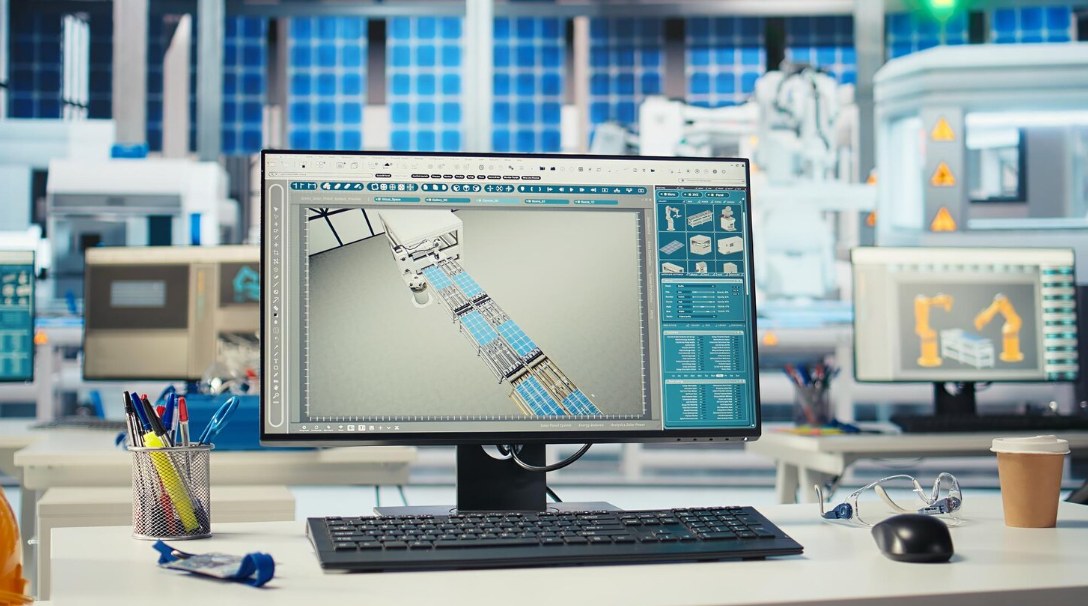
Good software turns 3D CAD models into clear cutting paths. The paths show how to shape the material step by step. This works well for 5-axis CNC machining services, where several axes move at once to form complex shapes in a single run. The same steps can be run again and again, so all parts stay uniform. That matters in industries that need parts to fit and work the same way every time.
Common Materials Used in Custom CNC Machining
The range of what is CNC machining covers more than design. It also covers the choice of materials. Metals such as aluminum, stainless steel, brass, and titanium see wide use because they offer strength and long life. Aluminum Alloy 6061, Stainless Steel 304, and Titanium Alloy TC4 often appear in high-performance parts for aerospace or automotive use.
Plastics like ABS, PEEK, nylon (PA6/PA66), and polycarbonate work well when lightweight or resistance to rust is needed. Hybrid materials, which mix metal centers with polymer layers, now appear more often for special needs in telecommunications gear or medical tools.
How to Evaluate a CNC Machining Manufacturer’s Capabilities
What Factors Define a Reliable CNC Machining Partner?
Picking a good partner for CNC custom machining means checking their skill level and equipment. Makers who handle complex shapes manage tight-tolerance jobs more easily. Access to advanced machines, such as multi-axis systems, helps them adjust to many product designs. Certifications like ISO 9001 show that they follow quality rules that regulated fields require.
Assessing Production Capacity and Lead Times
A maker’s output capacity shows if they can handle both test runs and large orders without delay. Fast prototype work and batch runs with a minimum order of just one piece, ready in as little as two days, point to smooth operations. This helps clients who need quick parts or urgent fixes. Checking the full flow from design talk to final check keeps schedules steady and quality high.
Quality Control Processes in Custom CNC Machining
Strong suppliers run careful checks at every stage. Coordinate measuring machines confirm sizes down to small units, while Statistical Process Control tracks changes over time to keep improving results. Full records of checks give clear tracking, which aerospace and medical parts often need.
They check every piece before it leaves, so clients receive parts that match the specs without worry.
What Questions Should You Ask Before Selecting a CNC Machining Supplier?
Key Questions to Clarify Before Signing a Contract
Before choosing any supplier for custom CNC cutting enhancement solutions, ask if they can supply test pieces before full runs. Check their rules on changes or design updates during work, since tests may show the need for tweaks.
Keep your ideas safe. Make sure they use non-disclosure agreements and secure file transfers to protect your details during the job.
Evaluating Communication and Technical Support
Clear talks between engineers help spot design issues early. Find out if skilled staff can discuss ways to improve how parts are machined or suggest material swaps that cut costs but keep performance. Check how fast they reply during the project, so updates stay on time and specs stay clear.
Cost Considerations When Choosing Custom CNC Machining Services
Factors That Influence Pricing in CNC Manufacturing
Prices in CNC custom fabrication depend on a few main points:
· Material selection: Tough metals like titanium wear tools faster and take longer to cut than softer ones like aluminum, used in CNC aluminum milling.
· Design complexity: Detailed shapes need more programming time and extra setups, especially with multi-axis machines.
· Order volume: Big runs spread setup costs over more units and lower the price per piece.
Balancing Price with Quality in Precision Manufacturing
Low-price options can look good at first, yet they often mean weaker materials or rougher finishes. Compare quotes that list finish steps and shipping so the full cost becomes clear for CNC techniques manufacturing work.
Long-term trust counts more than quick savings. Paying a bit more at the start can avoid breakdowns that cause costly stops later.
Momaking: A Trusted Partner in Custom CNC Machining Solutions
Overview of Momaking Expertise in Precision Manufacturing
At Momaking, we focus on full custom CNC machining services that fit each client’s needs in fields such as automotive, electronics, telecommunications, and healthcare. CNC machining technology, known for its high precision and speed, remains the main method for making accurate metal parts. Our skills cover both metal and plastic work, backed by smart automation that keeps results steady at every step.
We pair modern manufacturing tools with AI-based quote systems. These tools give clients cost figures in seconds and still protect file privacy during uploads.
Product Range and Capabilities Offered by Momaking
Metal Components Production Services
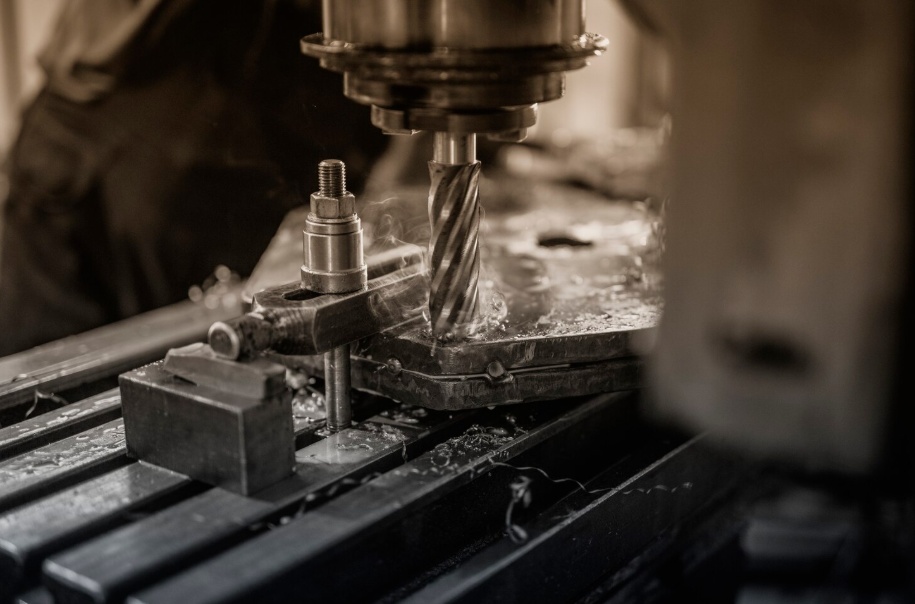
Our shops work with strong materials such as aluminum alloys (6061/7075), stainless steels (304/316L), brass H62, copper T2, and titanium TC4. All go through advanced multi-axis machines that deliver fine surface finishes, even for aerospace parts.
Plastic Parts Fabrication
We mill engineering plastics like PEEK or nylon with feed settings that limit heat and keep parts from warping. This keeps each piece at the right size even when under load.
Value-added Engineering Support
Besides making parts, we offer design advice that improves how parts are machined and cuts waste. This lowers total project cost while holding performance steady through our custom CNC work expertise.
FAQ
Q: What is the typical lead time for custom CNC machined parts?
A: Lead times change with part complexity. Most fall between one and four weeks. Fast prototype options can finish in just a few days when capacity allows.
Q: How can I ensure my design is suitable for CNC machining?
A: Work with your maker early. Share clear CAD files and list the needed tolerances. Ask for input on changes that make parts easier to machine, especially when 5-axis CNC machining services are in use.
Q: Is custom CNC machining suitable for low-volume production?
A: Yes. It suits both prototypes and small runs. Setup times stay short compared with older tooling methods, so costs stay reasonable even at low volumes. This helps fields that update designs often, such as CNC machining for telecommunications applications.