What Makes AI-Driven Manufacturing Equipment a Game Changer?
The Shift Toward Intelligent Production Systems
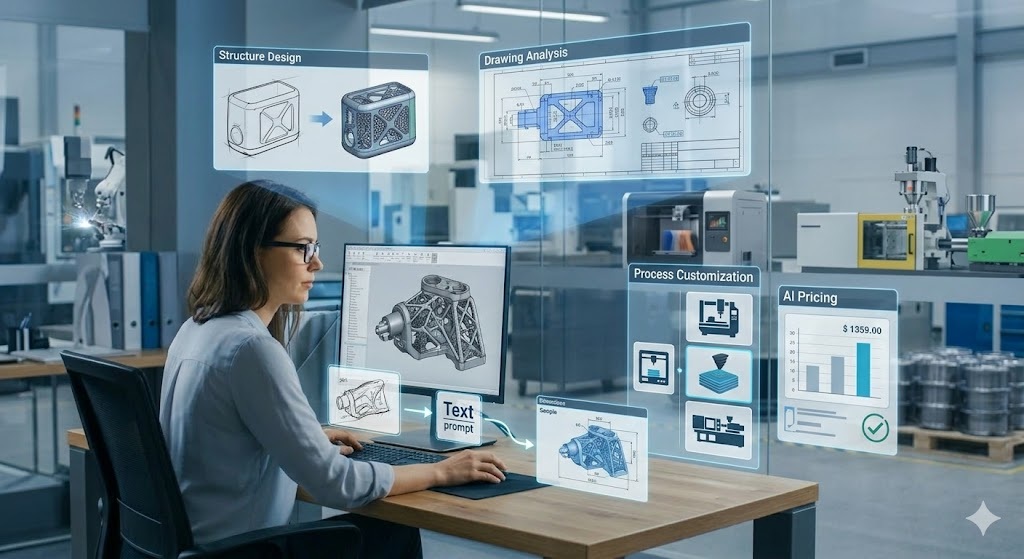
AI-driven manufacturing equipment brings a major step forward in industrial innovation. These systems mix automation with data analytics and machine learning. They form smart production setups that improve on their own. Sensors feed data all the time. The equipment makes quick changes to stay at peak levels. IoT devices connect to the setup for steady checks and early warnings. These warnings help teams see operations more clearly.
AI-powered instant quotes work with online ordering and safe workflows. They cut costs and raise output. The whole setup makes production easier to manage and keeps product quality steady.
How AI Enhances Decision-Making on the Factory Floor
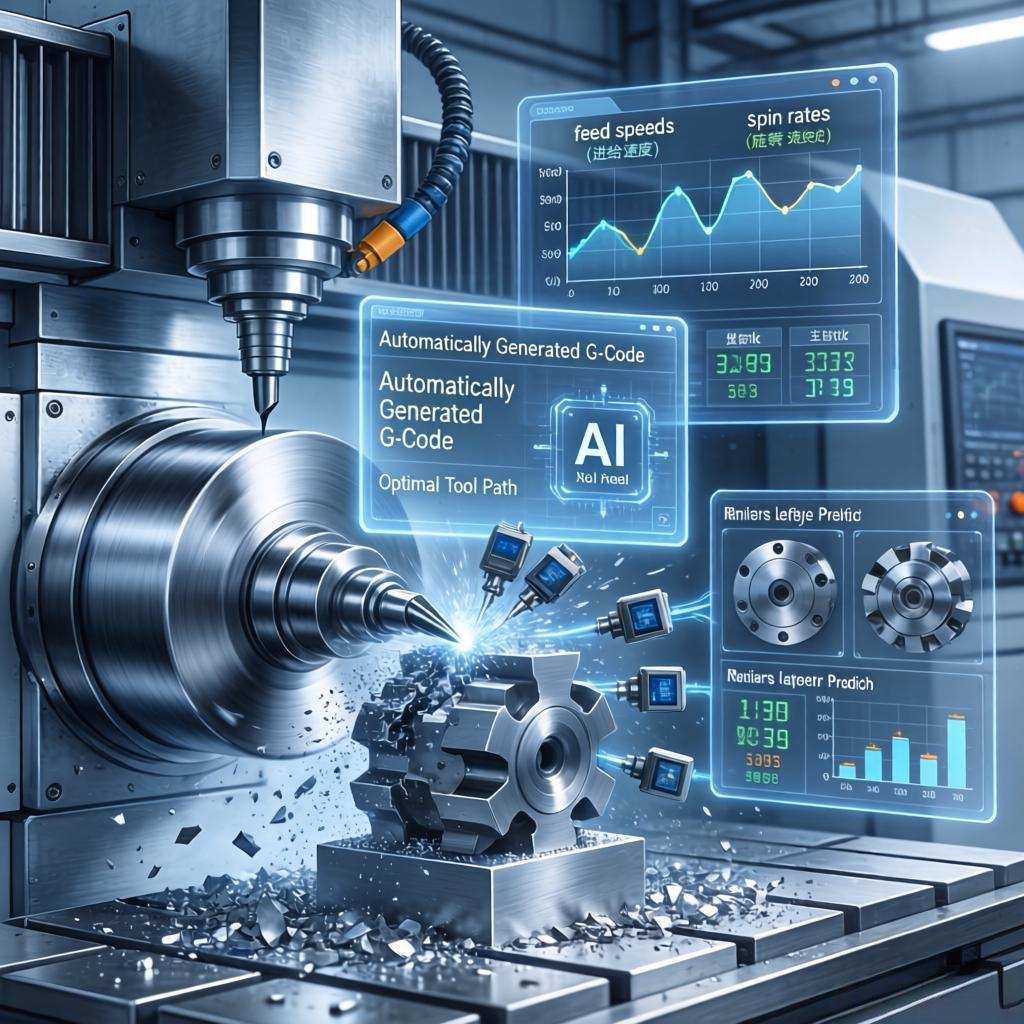
Machine learning looks at large sets of data from production lines. It spots problems that people often miss. Predictive models guess when maintenance is needed. This cuts downtime and helps machines last longer. AI gives clear tips for better processes. Operators can then spend time on key tasks instead of watching numbers all day.
We turn research into real AI tools for companies. These tools speed up digital change and factory upgrades. The added intelligence lets industries adjust fast when markets shift.
How Does AI Improve Production Speed Without Compromising Quality?
Real-Time Process Optimization
AI-driven manufacturing equipment speeds up output through live process tweaks. Sensors gather data along the line. They catch holdups or small shifts right away. The system then changes machine settings on its own. This keeps output steady. Dynamic scheduling cuts idle time and lifts overall equipment efficiency.
Design and manufacturing now connect more smoothly. This flow keeps quality high even as speed rises.
Automated Quality Control Through Machine Vision
AI vision systems check products fast. These tasks once needed people to look at every item. Cameras take clear images. Deep learning models find flaws better than human eyes can. Live feedback lets the line fix issues at once.
AI models fit 3D printing rules. This allows simple prototyping. Quality stays high even during fast runs.
In What Ways Does AI Increase Flexibility in Manufacturing?
Adaptive Production Lines for Customization
Buyers want items made to their needs and delivered quickly. AI systems support lines that switch between product types with little setup time. Smart robots change moves when designs or materials shift. Makers can react fast without stopping work.
The setup targets long design times, high entry hurdles, and gaps between software and hardware. It moves ideas to finished goods in less time and lowers trial costs.
Predictive Maintenance as a Tool for Operational Flexibility
Predictive tools spot wear early. Teams can plan repairs during slow periods instead of facing sudden stops. Fewer surprise halts make planning and resource use more agile.
Key tools include large multimodal design models, auto 3D structure tools, and AI DFM checks. These keep output flexible and steady.
Integrating Human Expertise with AI Systems in Manufacturing
The Collaboration Between Humans and Machines
People and machines work together in future factories. Operators handle key choices. AI takes care of repetitive or heavy-number tasks. Data tools turn hard numbers into simple views that anyone can use. Training helps staff move into these new roles with ease.
Every person can create. The AI design helper turns an idea into a real product through full AI control. This mix raises output and new ideas across fields.
Ethical and Workforce Considerations in AI Adoption
Clear rules on how AI decides to build trust with staff. New skill programs prepare workers for jobs that involve working with automation. Human checks keep responsibility in place and hold to ethical standards.
How Momaking Contributes to Smarter Manufacturing Solutions
Overview of Momaking’s Technological Innovations
At Momaking, we build strong AI manufacturing tools. These tools focus on exact work and easy change across many fields. Momaking solves three main issues in old design work: long cycles, high entry points, and the split between software and hardware. Our platform joins machine learning, robots, and sensor tools into smooth auto flows. These flows move ideas to finished goods faster.
One AI agent handles structure, image, assistant, and 3D tasks in one chat space. This setup links design ideas straight to smart production steps.
Key Features of Momaking’s Equipment Lineup
Intelligent Process Control Systems
Our control systems set temperature, speed, and pressure on their own. They use live sensor data. Built-in DFM checks make sure models meet 3D printing rules. AI quotes give instant cost views online.
Vision-Based Quality Inspection Tools
We add vision checks that use deep learning. These find surface flaws or fit issues at once. The system applies materials, light, and textures for quick previews during design reviews.
Modular Design for Scalable Production Lines
Our modular build lets makers grow or change lines with little stop time or new code work. It turns concept ideas into 3D forms in minutes instead of days. This shortens the full development cycle.
These tools sit inside one system. They give firms scalable options that shift as needs change.
FAQ
Q: How does AI-driven manufacturing equipment differ from traditional automation?
A: Old automation follows set steps. AI systems learn from past runs with machine learning. They change speed or torque on the spot based on current conditions. This leads to better results.
Q: What industries benefit most from adopting AI-based manufacturing solutions?
A: Auto, electronics, consumer goods, and aerospace fields gain the most. They use predictive care and auto-quality checks to raise output and trust in results.
Q: Is implementing AI-driven equipment cost-effective for small manufacturers?
A: Yes. Modular builds and cloud tools lower the cost to start. Smaller firms see gains through less downtime and less waste over time.
Q: How does Momaking ensure security during digital manufacturing processes?
A: Design files move in encrypted form and stay in separate spaces. This keeps all IP safe through every step at Momaking.