

 中文(中国)


How Does CNC Machining Contribute to Aerospace Component Precision and Safety?
The Role of CNC Machining in Aerospace Engineering
CNC machining is a computerized and programmable manufacturing process that involves various cutting mechanisms and other machining operations such as milling, drilling, grinding, etc. CNC stands for Computer Numerical Control, meaning that the manufacturing process uses computer programs to assist with each operation. The computer-guided method provides exact measurements. These are vital for aerospace parts. Even the tiniest error can cause issues with how things work or safety. Automatic oversight reduces mistakes by people. It helps engineers follow the strict guidelines of the aerospace sector. As a subtractive manufacturing process, CNC machining removes various parts from a material workpiece until it reaches the shape that conforms to the design blueprint. This is an economical and highly efficient manufacturing method. Using CNC machining, you can produce hardware parts and prototypes with consistent precision and accuracy. With its automatic accuracy, CNC machining aids in building parts. These parts follow tough approval and dependability rules. It excels in CNC machining for complex parts that need fine details.
Why Precision in CNC Machining Is Essential for Flight Safety
In aerospace uses, accuracy connects right to flight safety. Even small shifts from design details can affect airflow results. They might create shaking problems. Or they could harm the structure's strength. CNC machining makes steady copies of tricky parts in every production batch. This ensures every piece, such as a turbine blade or fuselage link, fits just right in the plane's setup. Strict limits promise good matching and operation in tough spots. Examples include pressure shifts at high heights or big temperature swings. CNC setups keep accuracy at the micron scale. Thus, all important parts work steadily in challenging settings.

The Importance of CNC Machining in Aerospace Material Processing
CNC Machining and Advanced Aerospace Materials
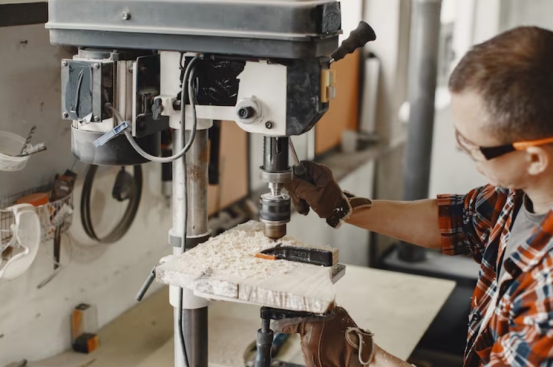
Aerospace production often deals with tough materials. These include titanium alloys, aluminum, and carbon fiber composites. People select them for their solid strength against weight. However, they demand specific cutting approaches to keep their build qualities. For pieces with winding curved areas, unique edge shapes, or detailed inner builds, CNC machining can set the tool route simply via coding. Then it forms those tricky shapes exactly. This skill lets engineers cut light but firm components. It also lessens waste with better tool routes and cutting choices. CNC machining's accuracy supports the strength of these materials in production. It makes sure they keep their planned mechanical features. Those features matter for flying results. CNC services from Momaking are essential for handling such advanced needs.
Enhancing Durability Through CNC Machining Techniques
Durability forms a basic part of aerospace engineering. Components have to withstand strong stress during long use periods. Surface finishing steps done via CNC machining boost defense against tiredness and rust. They do this by clearing small flaws on part surfaces. Exact cutting guarantees even stress spread over items like landing gear shafts or engine bases. Precise forming also improves part life in harsh situations. These cover fast spinning or heat shifts in takeoff and return stages. Makers blend advanced finishing tasks into the same automatic process. This brings better durability. It also shortens making time.
CNC Machining Applications in Critical Aerospace Components
Engine Components Manufactured by CNC Machining
CNC turning is the process of cutting or shaping a material workpiece by rotating it and allowing the turning equipment to cut or trim the workpiece from various angles. You need to place the material workpiece on the lathe equipment and let the lathe rotate and spin the workpiece at various angles. This method allows exact outlining and balancing. These are key for parts that turn at high speeds. Automation boosts steadiness in large output amounts. It cuts differences among single parts. Meanwhile, it follows strict aerospace quality guidelines.
Structural and Avionics Components Produced with CNC Machining
Besides drive systems, CNC machining holds an important spot in creating structural items. These include fuselage frames, wing bones, landing gear supports, and avionics boxes. Multi-axis CNC setups can reach complex forms. Old hand methods can't copy them well. This ability lowers setup errors. It ensures exact positioning among connected builds. The final accuracy adds straight to the plane's overall trust. It keeps steady load sharing through the body. It also reduces wear from shaking on avionics setups.
How CNC Machining Improves Production Efficiency in Aerospace Manufacturing
Streamlining Aerospace Production with CNC Machining Automation
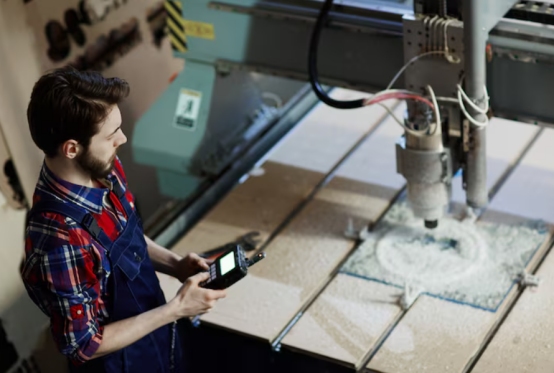
Automation is changing aerospace production steps. It links CNC machining with CAD/CAM software setups. Engineers build digital copies. These change directly into machine orders without middle hand actions. Live watching improves quality oversight in each making round. It finds shifts early in the steps. Automatic processes cut wait times a lot. This applies to prototype building and final part making. They also hold trackable quality papers needed by flight groups.
Cost Optimization Through CNC Machining Processes
As a subtractive manufacturing process, CNC machining removes various parts from a material workpiece until it reaches the shape that conforms to the design blueprint. This is an economical and highly efficient manufacturing method. Using CNC machining, you can produce hardware parts and prototypes with consistent precision and accuracy. This subtractive method reduces waste versus standard making ways. It removes only required material per digital plans. Less fixing from strong accuracy lowers stop periods. It raises output speeds across making lines. CNC machining fits well for scaling. So it works for small prototype runs in study phases. It suits big output after designs pass checks.

The Future of CNC Machining in Aerospace Innovation and Safety Standards
Emerging Technologies Enhancing CNC Machining Capabilities in Aerospace
Coming progress will raise CNC machining's part in aerospace new idea networks even higher. Mixed making setups now join additive making with exact subtractive skills. This offers more bend in part planning and fix uses. AI-led prediction for upkeep secures steady machine work. It checks running data trends before breaks happen. Data study tools adjust cutting choices live. They lengthen tool life while holding size accuracy. This is vital for cheap large-batch making of next-plane parts.
Advancing Aerospace Safety Through Continuous Improvement in CNC Machining
Safety stays the top priority in all aerospace production steps. It leads ongoing betterment efforts in CNC machining tech. Live check setups added to machine oversight spot flaws before setup phases start. This stops possible breaks later in use cycles. Improved simulation software forecasts part work under different stress types. These go from airflow weights to heat growth. So engineers can adjust plans before real trials. Steady tech new ideas match closely with changing aerospace approval needs. These come from global flight groups. This secures rule following while stretching limits of work trust.
FAQ
Q: How does CNC machining ensure precision for aerospace components?
CNC machining uses computer-controlled systems to maintain tight tolerances, ensuring each component meets exact specifications required by aerospace standards.
Q: Why is CNC machining preferred for aerospace material processing?
It allows precise cutting of advanced materials like titanium or composites while preserving structural integrity, which is vital for safety-critical applications.
Q: What role does CNC machining play in improving aerospace manufacturing efficiency?
CNC machining enhances productivity through automation, reduces material waste, shortens lead times, and maintains consistent quality across all production stages.