How Does a Nylon 3D Printing Service Enhance Manufacturing Efficiency?
The Role of Nylon 3D Printing Service in Modern Production Lines
Nylon’s solid mechanical strength and adaptability make it one of the most flexible materials in additive manufacturing. Its capacity to blend durability with pliability lets manufacturers create both practical prototypes and sturdy end-use parts. These parts can endure mechanical pressure. A nylon 3D printing service offers a smooth way for businesses to achieve quicker production times and lower tooling expenses. Nylon 3D printing stands out as a key tool here.
3D printing, or additive manufacturing, builds three-dimensional items by adding layers of material under computer guidance. This step-by-step building skips the need for usual molds or dies. As a result, it supports fast changes and personalization. When companies add nylon 3D printing services to their production lines, they can better manage resources. They also cut down waste and shorten overall wait times.
Moreover, with over 400 industrial-grade 3D printers and the quickest 24-hour delivery, expert services guarantee steady quality and growth potential for business uses. These features turn nylon-based additive manufacturing into a vital part of today’s digital production setups.
Comparing Nylon 3D Printing Service with Traditional Manufacturing Methods
Standard approaches like injection molding or CNC machining demand high initial costs, extended wait periods, and heavy tooling needs. On the other hand, a nylon 3D printing service allows production as needed with little material loss.
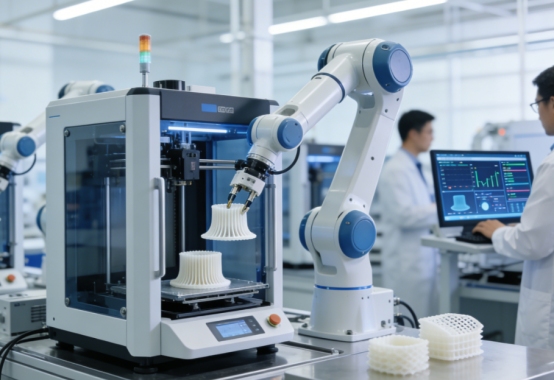
3D printing serves as a quick prototyping method that forms three-dimensional items by piling materials one layer at a time. This method helps engineers make detailed shapes that are hard or impossible with old techniques. Plus, design updates can happen right away. There is no need for pricey retooling or pauses. A nylon 3D printing factory can handle such tasks efficiently.
The outcome is a more nimble manufacturing setup. In it, product creation periods speed up. Resources get used wisely.
Key Advantages of Using a Nylon 3D Printing Service in Engineering Applications
Mechanical Properties That Drive Engineering Innovation
Nylon’s strong tensile power suits it for weight-supporting pieces in car, aircraft, and robot fields. Its toughness promises lasting results even during repeated strain. Also, nylon shows great resistance to wear. This fits it for moving parts like gears or hinges.
Heat steadiness boosts its use in tough settings where warmth resistance matters. These physical traits together make nylon a top choice for engineering materials. It works for both testing models and final part making.
Design Flexibility Enabled by Nylon 3D Printing Service
A nylon 3D printing service lets engineers build intricate shapes without losing strength. The adding process permits detailed inner paths, grid designs, and light builds. These cut energy use in mechanical setups.
Since molds are not needed, various design options can be checked swiftly and cheaply. This speeds up new ideas. It keeps accuracy and reliability, which are main points in tough engineering areas.
How a Nylon 3D Printing Service Supports Industrial Manufacturing Efficiency
Streamlining Production Workflows with Nylon 3D Printing Service
As-needed part making cuts the demand for big stock or storage spaces. Digital steps allow easy shifts from CAD plans to real parts in hours, not weeks.
Upload drawings, get a quote in 3 seconds shows how machines boost pace and effectiveness across the making chain. Automated steps also raise consistency and quality checks. They do this by cutting human mistakes in building.
Cost Optimization Through Nylon 3D Printing Service Integration
A big plus of adding nylon additive manufacturing is lower costs at many production phases. It skips costly mold making for small-to-medium batch runs. It also ensures exact material use via layer-adding methods.
By making just what is required when it is required, firms lessen waste. They also drop labor expenses tied to hand assembly. This slim method fits well with current ideas of green manufacturing. The best 3D printing services for nylon prototypes and end-use parts often highlight such savings.
Top Industrial Use Cases for Nylon 3D Printing Services in Manufacturing
Functional Prototyping and Product Development with Nylon 3D Printing Service
In product creation periods, quickness and correctness are vital. A nylon 3D printing service from Momaking helps engineers assess part match, shape, and role fast. They do this before spending on large-scale making. The prototypes that come out are tough enough to mimic true-life conditions. Thus, they link idea design to final setup.
End-Use Parts Production Using Nylon 3D Printing Service
Besides testing, nylon’s strength-to-weight balance fits it for making guides, holders, covers, machine pieces, and custom tools for exact business needs. No retooling waits keep steady making flow. This holds even if design shifts happen during the cycle.
SLS: White Nylon Materials and MJF: Black Nylon Materials provide varied surface textures and physical traits. These suit different work demands, from exact setups to strong build parts.
The Future Impact of Nylon 3D Printing Services on Digital Manufacturing Ecosystems
Integration of Smart Manufacturing Systems with Nylon 3D Printing Service
As digital change grows in fields, linking smart setups with nylon additive manufacturing gets more important. Data-based steps improve tracking from design start to end result. They also adjust process settings on their own. AI-help design tools check build performance before printing starts. This cuts test mistakes and raises total effectiveness.
Sustainability Benefits of Adopting a Nylon 3D Printing Service Model
Green practices stay a top reason for using nylon-based adding tech. Adding methods use fewer raw supplies than cutting ones like milling or turning. This is because only needed layers get placed during building.
Local making also lowers transport pollution. It lets makers produce parts nearer to where they are used. This lessens supply line dangers. At the same time, it aids nature-friendly work.
FAQ
Q: What makes a nylon 3D printing service suitable for industrial manufacturing?
A: A nylon 3D printing service is ideal due to its ability to produce durable, lightweight, and heat-resistant components quickly, reducing lead times while maintaining high precision for industrial-grade applications.
Q: How does a nylon 3D printing service reduce production costs?
A: It eliminates the need for molds, minimizes material waste through additive layering, and enables on-demand manufacturing—significantly lowering both setup and operational expenses.
Q: Can a nylon 3D printing service improve product development speed?
A: Yes, by allowing rapid prototyping and iterative testing, engineers can refine designs faster, accelerating the transition from concept to market-ready products while maintaining quality consistency.
Q: Which nylon 3D printing solutions provide the best material consistency?
A: Solutions from reputable nylon 3D printing services that use advanced SLS and MJF technologies ensure top material consistency, offering reliable performance for prototypes and end-use parts across industries.