What Makes CNC Machining Capable of Achieving Ultra-Tight Tolerances?
How Precision Is Defined in CNC Machining
In manufacturing, tolerance means the permitted variation from a given size. It shows how well a machined part needs to fit its design. Modern CNC machining technology, especially in high-speed CNC milling and CNC aluminum milling, can reach very fine tolerances.
CNC machining carefully directs the tool through computer programs. It sets the exact path and cutting values. This gives positioning accuracy of ±0.005 to ±0.01mm. Repeat positioning accuracy reaches ±0.002 to ±0.005mm. The result is accurate work with almost no errors. These features help makers build precise parts for aerospace and medical devices.
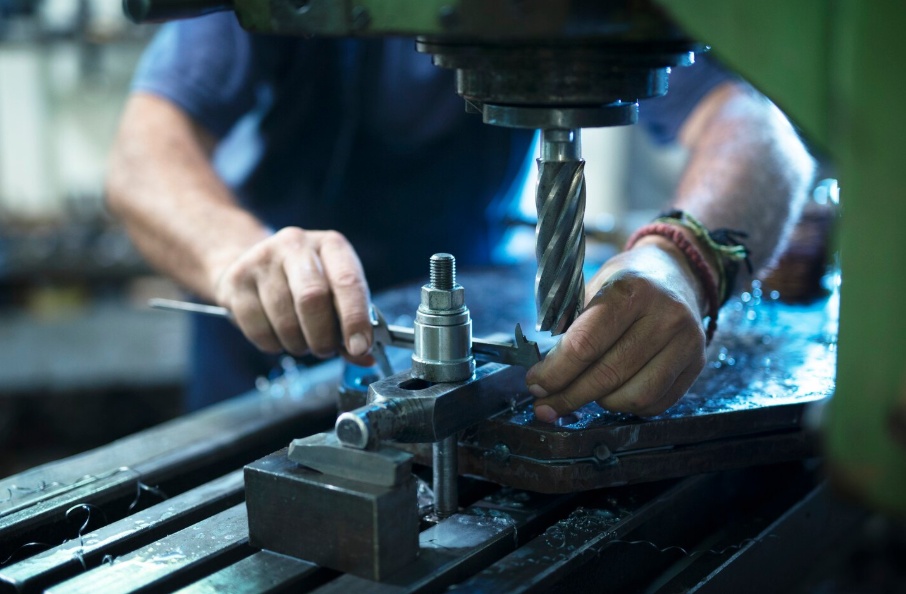
Machine accuracy shows how well a machine follows set coordinates. Repeatability shows how often it can make the same part. Both factors shape part quality and steady output in CNC custom machining work.
Key Factors That Influence Machining Precision
Several linked elements decide how well CNC machines hit very tight tolerances. Strong machine frames cut down on shake and bend during high-speed CNC machining. This keeps cutting forces steady. Spindle steadiness and heat control protect part sizes even in long runs. When making prototypes, the program sets the tool speed and feed rate. These values can change as needed. The changes lower the heat from friction. They stop the material from warping and keep both size and look good.
Tool wear matters too. Worn tools may shift sizes or leave rough spots in custom CNC fabrication jobs. Regular checks and upkeep keep machines inside their planned CNC machine tolerance limits for years.
The Core Technologies Behind Ultra-Tight Tolerance CNC Machining
Advanced Motion Control Systems
Multi-axis systems form the base of advanced CNC techniques. These setups serve fields that need complex shapes. In 3-axis, 4-axis, or full 5-axis forms, each added axis gives more freedom. They handle curves and hidden cuts that basic machines handle poorly.
Servo loops watch tool position all the time. They fix small errors from backlash or heat right away. Digital encoders add exact location data during high-speed CNC milling steps.
The Role of CAD/CAM Software in Precision Engineering
CAD/CAM software turns digital plans into exact tool paths for CNC-tailored machining needs. It makes sure every move matches the design. It also picks the best feed and speed for good results. Simulation tools find possible crashes or size problems before cutting starts. This step helps with troubleshooting common issues in CNC pneumatic fixtures that could hurt accuracy.
Data from past runs helps set better values for new batches. This keeps results steady across many parts.
How Do Material Properties Affect CNC Machining Accuracy?
Choosing the Right Material for Tight Tolerance Applications
Each material acts differently when cut. Metals like aluminum or stainless steel machine well. Yet they grow or shrink with heat in ways unlike plastics or composites. Heat expansion rates affect final sizes. Engineers often adjust the feed or add cooling to offset these changes in custom CNC work.
Surface Finish and Dimensional Stability Considerations
A smooth surface helps hold tight sizes. Rough spots can throw off measurements or fits. Extra steps like polishing or heat treatment improve both finish and stability. These steps matter when making parts through custom CNC cutting, enhancing methods for telecommunications equipment or optics.
Maintaining Accuracy Through Environmental and Process Control
Temperature and Humidity Management in the Workshop
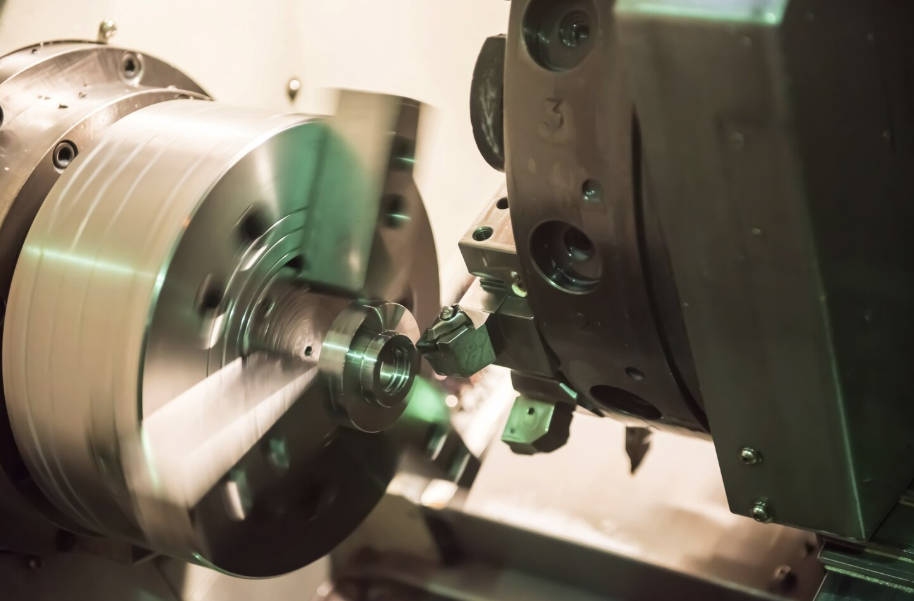
Room temperature shifts can change machine settings and part sizes. The coolant flows at the same time. It removes heat and keeps each part accurate. Shops with climate control hold steady conditions and avoid these changes.
Process Monitoring and Quality Assurance Techniques
Makers check results with coordinate measuring machines. These tools compare part sizes to digital models at the micron level. Statistical process control follows trends and spots drifts early. Real-time monitors in smart shops send alerts at once during high-speed CNC machining runs.
Where Does Human Expertise Fit in an Automated CNC Environment?
The Value of Skilled Technicians in Precision Manufacturing
Automation runs most lines today, yet skilled people still set machines for tight tolerances. Operators read complex drawings, pick the right tools, and tweak values that software may miss. This skill shows its worth on tricky prototype parts.
Human checks support automation. They make sure every detail meets the plan before full runs begin.
Training and Continuous Improvement Programs
Regular training keeps technicians up to date with new tools such as AI controllers or hybrid systems. These programs cut human mistakes and raise output in every step of custom CNC fabrication.
Momaking’s Commitment to High-Precision CNC Machining Solutions
About Momaking’s CNC Capabilities and Product Range
At Momaking, we mix new ideas with steady performance. We supply top-grade precision parts through our full set of smart services. These include high-speed CNC milling and CNC-tailored machining solutions. Rapid prototyping and batch production. Minimum order quantity of 1 piece, delivered in as fast as 2 days. Intelligent quoting system, quote in 3 seconds, 100% full inspection before delivery, worry-free quality.
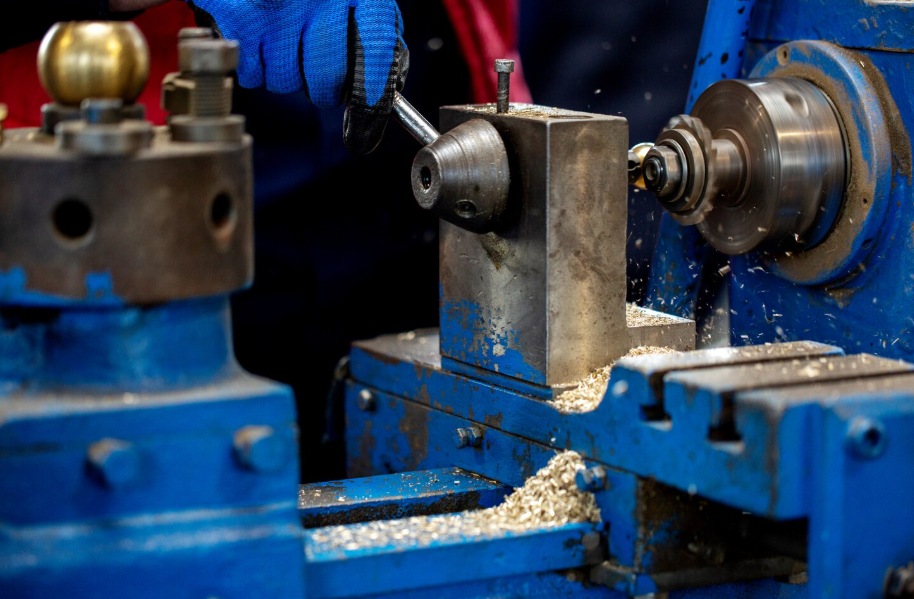
Our equipment covers CNC turning, drilling, and milling with multi-axis setups. It suits aerospace parts, medical housings, electronics cases, and other fields that need very fine tolerances.
We run strong quality checks at every stage. The checks start from digital models and end at final inspection. They deliver steady results even on large batches.
How Momaking Delivers Reliable Precision Components Globally
We shape each project with custom CNC fabrication services that match client needs exactly. We keep all data private. Automated inspection tools give the same accuracy on every order, no matter how complex or large.
We focus on new ideas and green practices. Our smart factory uses AI quotes and fast global shipping. This delivers dependable parts worldwide and keeps customers happy.
FAQ
Q: What tolerance levels can be achieved with modern CNC machining technology?
A: Modern high-end CNC machines can reach tolerances as tight as ±0.001 mm. Results depend on material, tool condition, and shop controls.
Q: Which industries require ultra-tight tolerance parts produced by CNC machining?
A: Aerospace, medical device work, automotive powertrain builds, and electronics assembly all need ultra-tight parts. This includes CNC machining for telecommunications systems.
Q: How can manufacturers improve tolerance consistency over large production runs?
A: Real-time monitors, regular calibration, and strong CAD/CAM programs raise consistency. Stable shop conditions during each cycle keep results even across many parts.