How Much Does a 3D Printer Actually Cost?
What Factors Influence the Price of a 3D Printer?
The cost of a 3D printer changes quite a bit based on the technology type inside it. Fused Deposition Modeling (FDM), Stereolithography (SLA), and Selective Laser Sintering (SLS) each handle different jobs and sit at their own price levels. 3D printing, also known as additive manufacturing, builds three-dimensional objects. It does this by adding one layer of material after another. A computer controls every step in the process. FDM printers usually cost less money. They suit beginners quite well. SLA and SLS models give sharper results instead. They see use in professional or industrial places.
Build volume, speed, and resolution also set the price levels. Larger printers that make industrial-grade parts cost more. They do so because of their strong mechanics and wide material options. Extra features like automatic bed leveling, enclosed chambers for steady temperature, or dual extruders for mixed materials can push the total cost higher.
Comparing Entry-Level and Professional 3D Printers
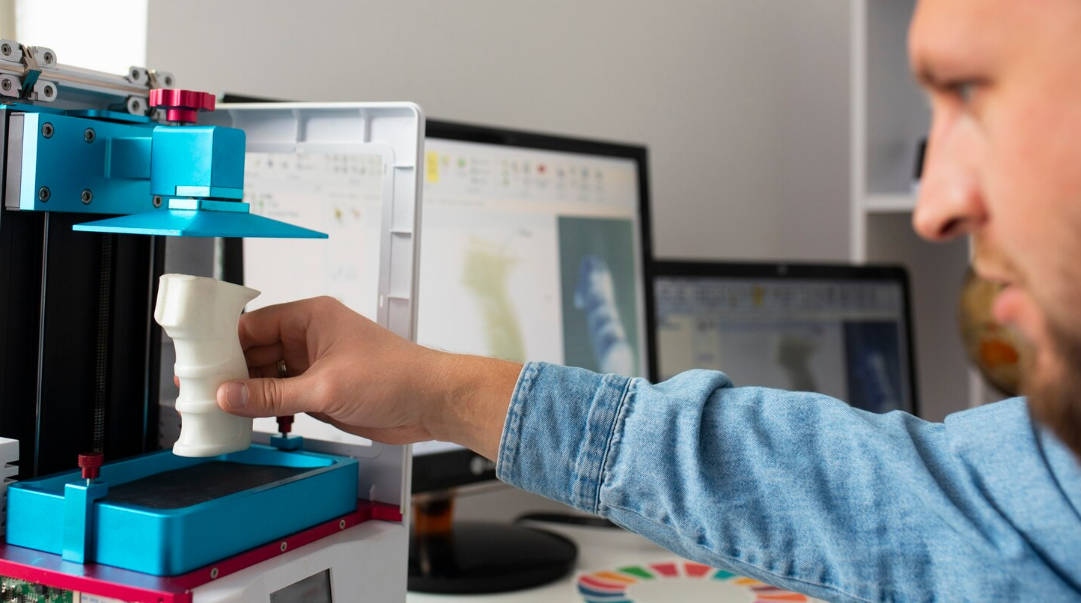
Entry-level printers work well for hobbyists and people in schools. These users often want small machines for their little projects. The build area stays pretty limited in these models. Still, they offer a simple way to get started with 3D printing tech. On the flip side, pro or industrial models give better speed along with top accuracy and long-lasting performance.
Businesses rely on them for serious work. Industrial-grade 3D Printing Machine stands out due to its big build volume. It also brings high accuracy and quick operation. Such equipment handles different methods. Examples include SLA, SLS, MJF, and SLM. This helps with tough production needs in fields like aerospace and healthcare.
Maintenance costs vary significantly between categories. Entry-level models may require frequent calibration but cheaper parts replacement, while professional machines demand specialized maintenance services to ensure consistent performance.
What Are the Hidden Costs Beyond 3D printer Itself?
The Expense of Printing Materials
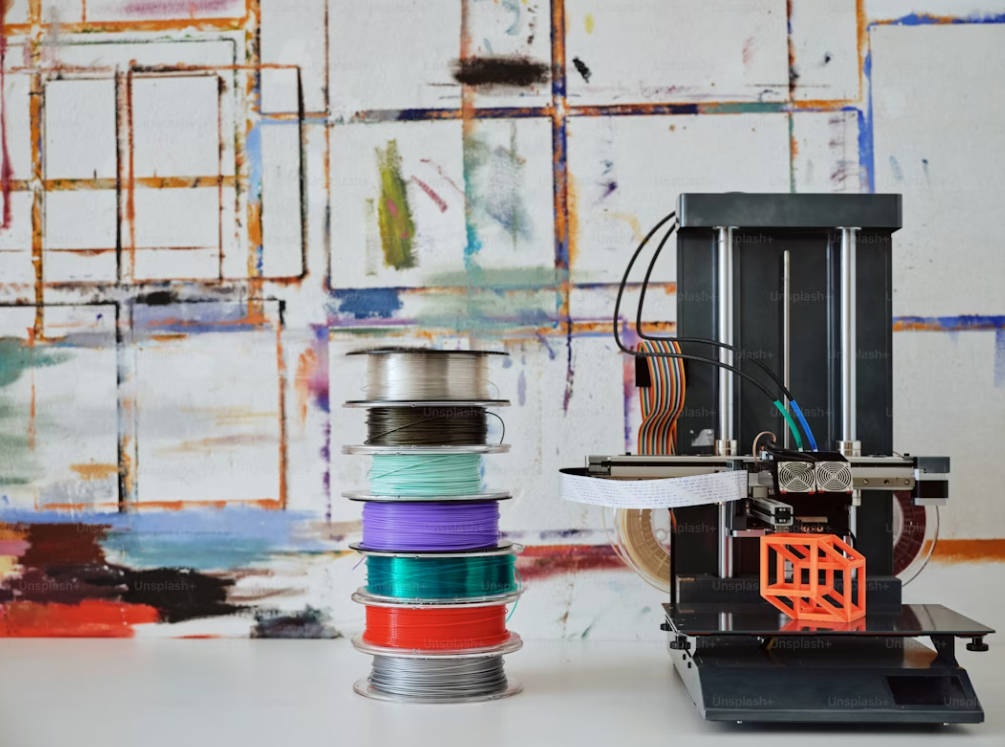
Choosing the right material can really affect your total costs. Common choices include PLA, ABS, PETG, resin, nylon, and advanced composites. Accessories cover items like the nozzle, heating bed, and motor. Consumables often include photosensitive resins along with metal powders and plastic filaments such as PLA and ABS.
Prices vary with quality and intended use. Engineering-grade materials like nylon or metal powders tend to cost more than standard filaments. Buying in larger quantities helps reduce the cost per print, yet you still need good storage conditions to avoid any loss in quality.
Emerging trends in 3D printing filament innovations 2026 show new eco-friendly materials that balance performance with sustainability. These developments will likely influence future pricing structures across both consumer and industrial markets.
Power Consumption and Energy Efficiency
Electricity usage depends largely on printer size and print duration. Industrial systems operating continuously consume more power than desktop units. Energy-efficient designs help reduce long-term operational costs by minimizing idle power draw during extended print cycles.
Maintenance, Repairs, and Replacement Parts
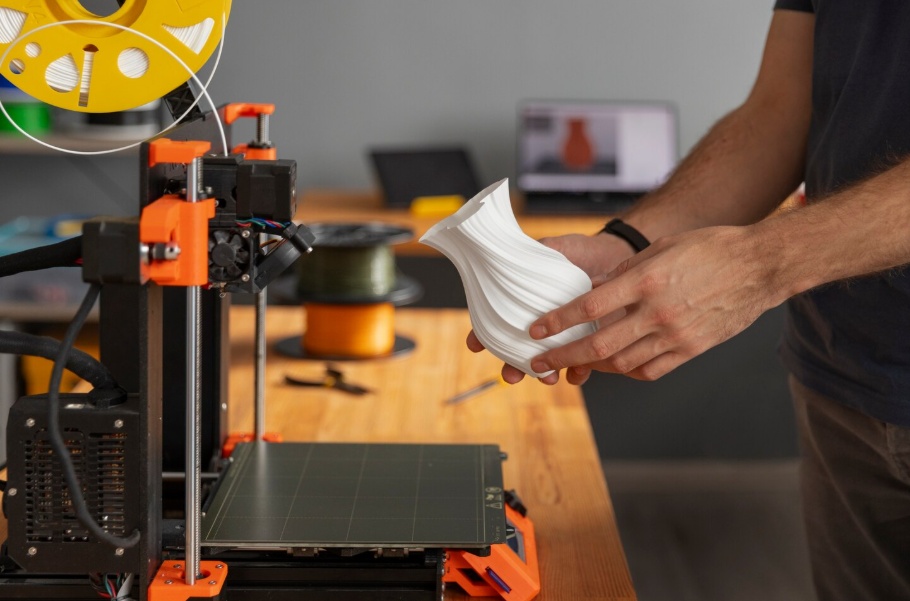
Routine maintenance helps machines stay reliable over long periods. Parts such as nozzles, belts, or build plates might need swaps now and then. The need depends on how much each machine runs each day. Professionals who look after many printers at a 3d printer prototype factory often deal with stops in work. These stops break the flow of output. They also add to the money spent on staff time.
How Does Design Complexity Affect Overall Printing Costs?
Why Do Complex Models Cost More to Print?
Complex geometries require longer print times and greater material consumption. It can easily produce complex geometric shapes that are difficult to achieve with traditional processes. Additionally, intricate designs often need support structures that add waste material costs. Post-processing steps—such as sanding resin prints or curing SLA models—introduce extra labor expenses that accumulate over time.
Projects involving organic shapes or fine details benefit from technologies like digital light processing 3d printer systems that deliver exceptional surface finishes, but at higher operational costs due to resin pricing.
The Cost of Software and Digital Tools in 3D Printing
Paid vs Free Design Software Options — Which Is Worth It?
Software selection impacts both workflow efficiency and budget allocation. Free tools provide essential modeling capabilities suitable for beginners experimenting with basic prototypes. However, professionals working on intricate engineering components often rely on paid CAD software for precise design control.
Subscription-based platforms contribute ongoing expenses but enhance productivity through advanced features such as topology optimization or simulation analysis—valuable tools when optimizing 3d printing materials and processes for cost efficiency.
How Can You Estimate the Total Cost Per Print?
Calculating Material Usage and Print Time Accurately
Modern slicing software allows users to forecast filament consumption before production begins. This helps estimate both material usage and electricity requirements accurately. Longer print durations directly translate into higher energy bills. Therefore, optimizing layer height or infill density can significantly reduce per-print costs.
Factoring in Failed Prints and Testing Phases
Trial runs are common during product development stages, where calibration errors may lead to wasted material. Adjusting temperature settings or reorienting models minimizes future failures but introduces an initial overhead cost that must be factored into total project budgets.
Exploring Momaking’s Contribution to Affordable 3D Printing Solutions
Why Do Momaking Products Stand Out in the Market?
At Momaking, we strive to make high-quality 3D printing accessible without compromising performance standards. Upload drawings, get a quote in 3 seconds through our AI-powered platform designed for instant cost estimation—ideal for businesses seeking fast turnaround times from concept to prototype.
Our products combine reliability with innovation. Each machine emphasizes ease of use while maintaining industrial-grade durability. Momaking's industrial-grade 3D Printing Machine can print extremely fine details, thoroughly meeting the strict requirements of the precision manufacturing industry. By integrating smart manufacturing technologies into every system we produce, we help users achieve consistent results at competitive prices across diverse sectors, including automotive design and medical device fabrication.
The Range of Momaking Products for Different Needs
Desktop Printers for Everyday Users
We offer compact desktop printers ideal for home creators or educational institutions exploring types of 3d printing technologies 2026, such as FDM-based systems tailored for creative learning environments.
Industrial Models for Advanced Applications
Our industrial printers have large build volumes. These sizes work well for batch production. They also suit full-scale component prototyping in aerospace manufacturing chains. The printers support many high-performance engineering resins. This lets them see use in key fields such as aerospace, automobile manufacturing, and medical equipment. Rapid prototyping runs smoothly with support from over 400+ industrial-grade machines. We make sure clients receive parts swiftly. Our fastest 24-hour delivery service promise backs this up.
How Can You Reduce the Overall Cost of 3D Printing?
Practical Tips to Save Money Without Sacrificing Quality
Optimizing model orientation reduces support usage—a simple yet effective way to save filament costs during production runs. Regular calibration minimizes failed prints that waste both time and resources. Recycling leftover filament spools, where possible contributes toward sustainable practices aligned with modern 3d printing innovations 2026 initiatives focusing on environmental responsibility.
Energy management also matters. Scheduling prints during off-peak hours can lower electricity charges while maintaining productivity levels essential in professional workshops or small-scale factories producing prototypes daily.
FAQ
Q: Is 3D printing cheaper than traditional manufacturing?
A: While initial equipment costs can be high, small-scale production or prototyping is often cheaper with 3D printing due to lower tooling requirements.
Q: How long does it take before a 3D printer pays for itself?
A: Payback time depends on usage frequency.Regular users may recover investment within months through saved outsourcing costs from external vendors offering 3d printing service costs estimation tools.
Q: Which 3D printing material offers the best balance between price and performance?
A: PLA remains one of the most economical choices thanks to its ease of use and minimal post-processing needs compared with ABS or resin alternatives.