What Makes Nylon a Preferred Material for 3D Printing Services?
Nylon has emerged as a top choice in additive manufacturing. This is because of its blend of robustness, pliability, and resistance to chemicals. Its adaptability suits it for many uses. These range from car parts to working models and everyday items. In factory environments, nylon's capacity to keep structural strength under pressure makes it perfect for building tough pieces. These can handle ongoing usage.
A major benefit of nylon is its resistance to impacts. This lets it work well in tough settings. There, other substances might break or bend. So, nylon fits well for items like gears, pivots, and sliding mechanisms. These need both sturdiness and bendability. Plus, nylon creates little smell while printing. That makes it a great pick for work areas that value clean and secure operations.
SLS (Selective Laser Sintering) employs white nylon substances. Meanwhile, MJF (Multi Jet Fusion) uses black nylon substances. These methods let makers select particular material kinds based on hue choice or performance needs. The presence of both SLS and MJF options means that nylon 3D printing services can meet diverse project demands. They do this with steady excellence.
How Does Nylon 3D Printing Service Enhance Durability?
Nylon threads show outstanding toughness in intense stress situations. The substance's built-in resilience helps printed items avoid splits or weariness. This holds true even under steady mechanical strain. When compared to other typical 3D printing substances like PLA or ABS, nylon delivers better pulling strength and stretch before breaking. Thus, it strikes a good mix of firmness and springiness.
Momaking’s industrial-grade 3D printing machine can produce very fine features. It fully satisfies the tough standards of the accuracy production field. This effectively assures the top-notch precision of final goods. Such accuracy helps nylon parts keep exact sizes and solid build over time. The ongoing benefits include lower upkeep expenses and less need for swaps. This is especially true in heavy-wear uses like machine covers or robot elements.
The Benefits of Abrasion Resistance in Nylon 3D Printing
Why is Abrasion Resistance Crucial for Wear-Resistant Components?
Abrasion resistance greatly affects the service life of mechanical elements facing friction or repeated action. For wear-resistant components such as sleeves, supports, and belt directors, this resistance decides how long a piece can operate before surface wear starts. Nylon’s inborn smoothness cuts down on frictional damage between touching areas. As a result, parts run easily without needing too much oiling.
Uses where abrasion resistance matters a lot include factory automation setups, car insides, and household devices. In these, moving elements touch nonstop. Nylon shows greater staying power against surface wearing from rubbing or gliding contact. This is true when set against other plastics like PETG or ABS.
How Does Nylon 3D Printing Service Achieve Superior Abrasion Resistance?
The makeup of nylon at the molecular level plays a big role in its abrasion resistance. Its partly crystalline setup offers a good harmony between hardness and pliability right at the tiny scale. This lets it take in energy. At the same time, it fights off surface harm. So, printed items keep their form even after long contact with rubbing forces.
Modern methods like selective laser sintering (SLS) boost surface toughness. They do this by joining powder bits evenly under managed heat levels. 3D printing is a quick model-making tech that builds three-dimensional items by layering substances one on top of the other. This step-by-step method guarantees even thickness all through the item. It cuts down on soft spots where abrasion might begin. For instance, a 3d model ai companion can help designers visualize these durable nylon parts before production from Momaking.
Fields gaining from abrasion-resistant nylon pieces include car making. There, gears and fasteners face constant motion. It also covers medical gear creation. This needs sleek but strong surfaces that handle cleaning rounds.
Overcoming Challenges with Nylon 3D Printing Services
What Are Common Challenges in Nylon 3D Printing Services?
Even with its perks, nylon brings some hurdles during printing. One usual problem is twisting. This happens because the material shrinks as it cools. Also, nylon easily takes in dampness from the atmosphere. If not dried right before use, this can cause print flaws like bubbles or uneven flow.
Other issues come from keeping the right heat levels all through the printing. Nylon needs exact heat handling for good layer sticking. Many folks wrongly think that working with nylon is too hard compared to PLA or PETG. Yet, expert providers have found solid ways to deal with these factors. Which nylon 3d printing solutions provide the best material consistency? Professional nylon 3D printing services often address this through advanced controls.
How Can These Challenges Be Addressed by Nylon 3D Printing Service Providers?
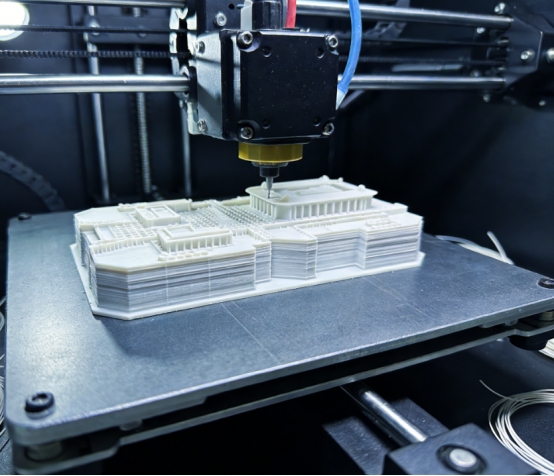
Expert nylon 3D printing services use cutting-edge gear made just for high-end materials. Momaking’s industrial-grade 3D printing machine can manage bigger print sizes. It can also create large items or several items at once. These features allow smooth output. At the same time, they keep even surroundings in the build area. This sharply lowers twisting dangers.
Good storage for threads is key to print excellence too. Storing them in airtight boxes with drying agents stops dampness uptake. New ideas in printer tech, like warm covers and auto-adjust systems, also aid steady outcomes with moisture-prone stuff like nylon. In a bustling nylon 3D printing factory, these practices ensure top results.
Cost Efficiency and Value Proposition of Nylon 3D Printing Services
Why is Cost Efficiency Important in Choosing a Nylon 3D Printing Service?
Weighing expense against output is vital when picking a substance for making. Nylon might cost more upfront than basic plastics like PLA. However, its better lasting power leads to savings later. This comes from fewer swaps and less downtime for fixes. For factory buyers making working models or final-use pieces, this dependability gives real worth over the long haul.
Highly customized: Unique products can be made according to customers’ specific needs, supporting surface treatment without the need for molds, greatly reducing customization costs. This setup ability lets firms create tricky shapes affordably. It skips old-school tool costs. The best 3d printing services for nylon prototypes and end-use parts often highlight this edge in their offerings.
Real-world examples from various fields show budget-friendly results. These happen when shifting from cut metal pieces to nylon-based versions. This works best in cases needing light but solid options. Such choices cut energy use while running.
How Do Nylon 3D Printing Services Offer a Competitive Edge?
Tailoring stays as one of the top strengths from expert nylon 3D printing services. With digital design tools built into today's additive flows, makers can quickly tweak plans. They do this without extra tool expenses. Nylon 3D printing gives quick access to these tailored solutions. Upload drawings, get a quote in 3 seconds
400+ industrial-grade 3D printers
Fastest 24-hour delivery
100% SLA, SLS, MJF, SLM and various processes. These features show how providers bring both quickness and growth potential. Few methods match that from old making ways.
Market shifts point to rising need for high-output plastic pieces. Industries want lighter but tougher fixes for mechanical setups. By using forward tech like SLS and MJF with strong engineering nylons, companies get to efficient making lines. These meet current output levels at fair prices.
FAQ
Q: What are the main advantages of using a nylon 3d printing service?
A: Nylon offers superior durability, impact resistance, and abrasion resistance, making it ideal for creating wear-resistant components. It also provides versatility across various applications and is easier to print than many assume.
Q: How does a nylon 3d printing service compare to other material services?
A: Nylon stands out due to its unique combination of strength, flexibility, and wear-resistance. While other materials may excel in certain areas, few offer the comprehensive benefits that make nylon suitable for demanding environments.
Q: Can I expect consistent quality from a professional nylon 3d printing service?
A: Yes, professional services use advanced technology and techniques to ensure high-quality prints. They address common challenges such as warping and moisture absorption, providing reliable and consistent results.