Exploring the Core Differences Between AI Creative Engines and AI Content Generators
What Defines an AI Creative Engine?
An AI creative engine copies the creative side of human thought. It centers on new ideas, building concepts, and making things in many forms. It produces fresh thoughts instead of just copying data. This sets it apart from older tools that run on fixed steps.
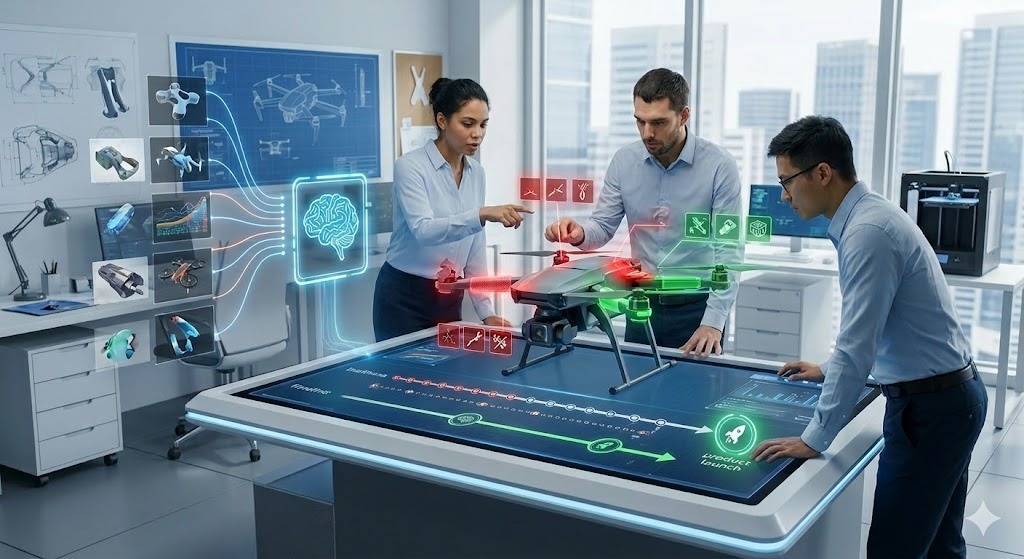
AI intelligent agents for industrial design–AI Creative Engine show this idea well. It pulls together visual, text, and shape-based smarts into one smooth creative flow. The setup joins text-to-image, image-to-3D, and shape design tools. This gives creators the power to work across different media.
One single AI agent brings Structure, Image, Assistant, and 3D together. They sit inside one chat-style workspace. This link lets users move from rough sketches to ready-to-make designs. They do this without jumping between separate tools.
How Does an AI Content Generator Operate?
An AI content generator mainly handles text jobs. These include blog posts, ad copy, and social media lines. It rests on natural language models. These models scan big data sets and turn out clear, search-friendly text. The tools keep tone steady and language clean. Yet they stay inside the patterns they have seen before.
They raise output speed by making tidy text in little time. Their goal stays on speed, not on new ideas. Companies use them to grow output fast. The text follows brand rules. Still, these tools miss the mixed-media reach that creative engines have. Creative engines can read pictures or sound cues too.
Comparing Their Core Functionalities
The split between the two tools rests on purpose. One side leans on new ideas across many forms. These forms cover pictures, 3D shapes, and motion clips. The other side focuses on clean, written text with strong grammar.
When teams use both tools in ad or story work, they fit well together. Creative engines spark fresh thoughts. Content tools then spread those thoughts in large volumes.
How Do AI Creative Engines Enhance Human Creativity?
The Collaboration Between Humans and Machines in Creative Workflows
Human creativity grows when smart systems help stretch idea limits. AI gives creators new paths or tweaks small details after reading the context. Humans feel that it still matters most for emotional pull. Algorithms cannot yet copy this fully.
The pair speeds up the idea stages while keeping a real feel. Designers test many versions in minutes rather than days. They use machine hints as a starting point for later polish.
What Makes an AI Creative Engine Unique in Multimodal Creation?
A key trait of an AI creative engine is its skill to blend text, pictures, sound, and motion into one result. The models read prompts with clear meaning and shape fitting outputs for each channel.
The tools used include large models for industrial design and Auto 3D shape tools. These create live feedback loops. Users improve results step by step through direct work with the system.
Applications of AI Creative Engines Across Industries
In Marketing and Advertising Campaigns
Creative engines change how teams build campaigns. They let users test visuals and text ideas at the same time. They make new brand looks for split tests or group splits. They keep a fresh feel across sites. This cuts down on tired thinking for staff who would otherwise brainstorm by hand for long hours.
In Education, Entertainment, and Design Fields
In schools, these engines help teachers shape lively study aids. They use picture stories that shift with the topic. In games or shows, they aid early world-building. They turn text hints into scenes or story frames.
They also boost digital artwork through flexible style tools. Artists can try new looks without hitting tech walls.
Key Technological Foundations Behind AI Creative Engines
Machine Learning Models That Drive Creativity
Deep learning nets power today’s creative engines. They spot patterns past simple number checks. Transformer models read meaning links between prompts and results with high care. Reward-based learning steps then tune outputs from user feedback rounds.
Main tools include large model design tools and shape fix steps. These let the system grow as it picks up data from human use.
Data Ethics and Responsible Use of Generative Systems
Clear rules on data use matter when these systems run at scale. Open data sources help keep new ideas fresh. Bias checks help results stay fair. Good habits build trust with creators and viewers who want real-feel media.
Momaking’s Approach to Building an Effective AI Creative Engine
How Momaking Integrates Innovation Into Products
At Momaking, we mix new ideas with easy use through our AI Creative Engine. Our setup lets users make text ideas, pictures, shape checks, or full media work inside one joined space.
Everyone is a creator. Your own AI industrial design engineer turns a first spark into a ready product. We give end-to-end help from market study and style work to build checks. No heavy CAD tools are needed. Our clear screen makes hard steps simple so even new users can shape pro-grade work with ease.
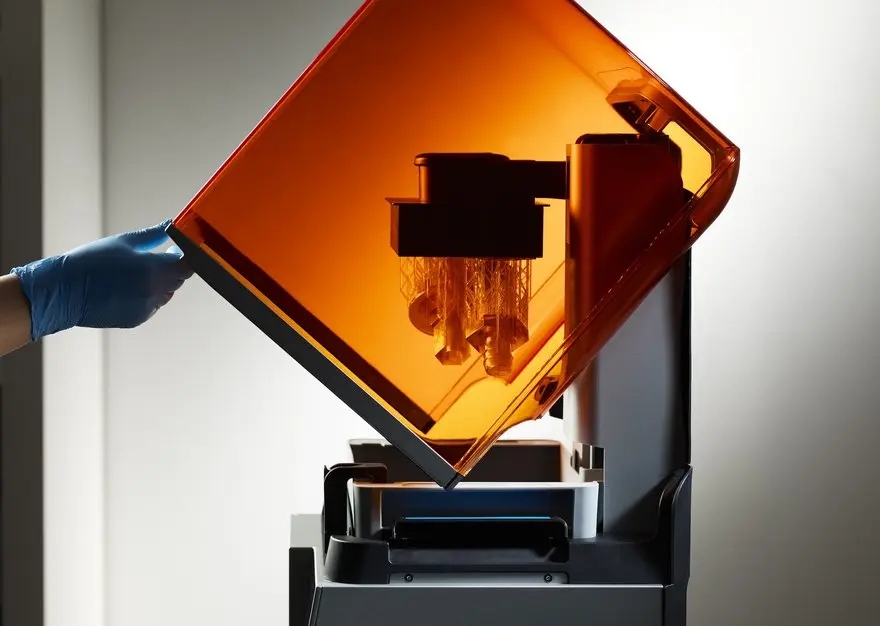
We also give AI-driven quick quotes and a smart build site for fast test runs and small-batch runs. This helps each fresh idea reach a real item in good time.
Features That Distinguish Momaking’s Solutions in the Market Landscape
Our smart models shape content to match user goals and tone likes. They also allow live teamwork between people and machines. We keep the tools fresh with regular updates that match new trends in this field.
AI runs through every step. Users give only their main idea. The AI agent then gives full help from market study and style work to build checks. Delivery happens in minutes and cuts concept-to-shape time from days to minutes. The site links straight to build services such as CNC cuts or 3D print work. This joins the idea and the final item in one flow.
FAQ
Q: What is the main difference between an AI creative engine and a content generator?
A: An AI creative engine centers on new ideas across many media, such as pictures or 3D shapes. A content generator handles text output with a focus on speed and a steady tone.
Q: Can an AI creative engine replace human creativity?
A: No. It boosts creativity but cannot copy human feelings or emotional depth. It works as a partner, not a stand-in.
Q: How can businesses benefit from using an AI creative engine like Momaking’s?
A: Businesses can speed up idea stages, cut campaign build time, lower costs with tools like quick quotes, and keep a fresh brand feel by adding Momaking’s smart creative tools to daily work.