What Is AI-Driven Equipment Monitoring and How Does It Work?
Core Concept of AI-Driven Equipment Monitoring
AI-driven equipment monitoring brings sensors, data analytics, and machine learning together. This setup helps track performance right as it occurs. The process involves collecting fresh data from operations on a steady basis. Examples include temperature readings, vibration levels, and pressure values. These details come from various parts inside industrial systems. These inputs are then examined using advanced algorithms. The algorithms spot patterns or anomalies that may point to potential issues before they grow into failures.
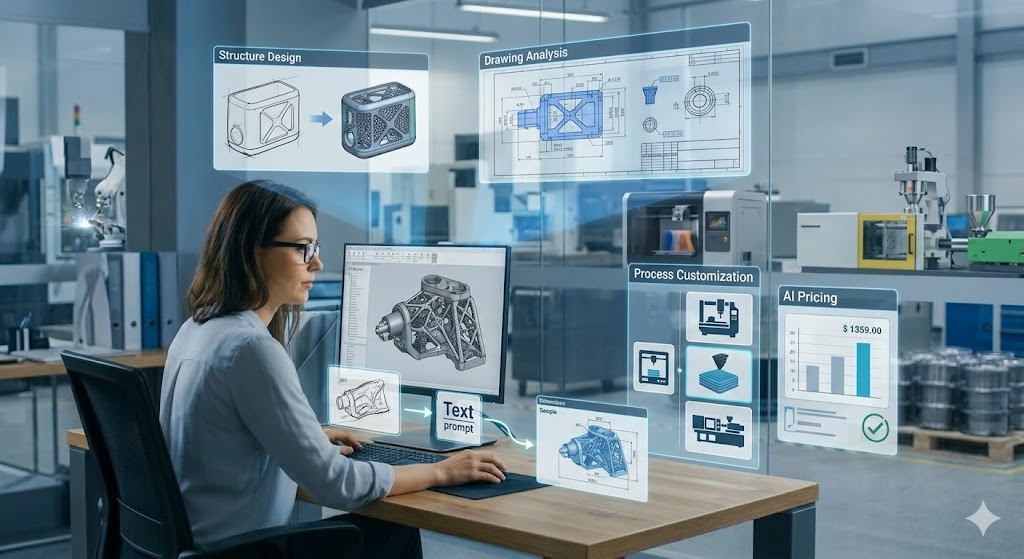
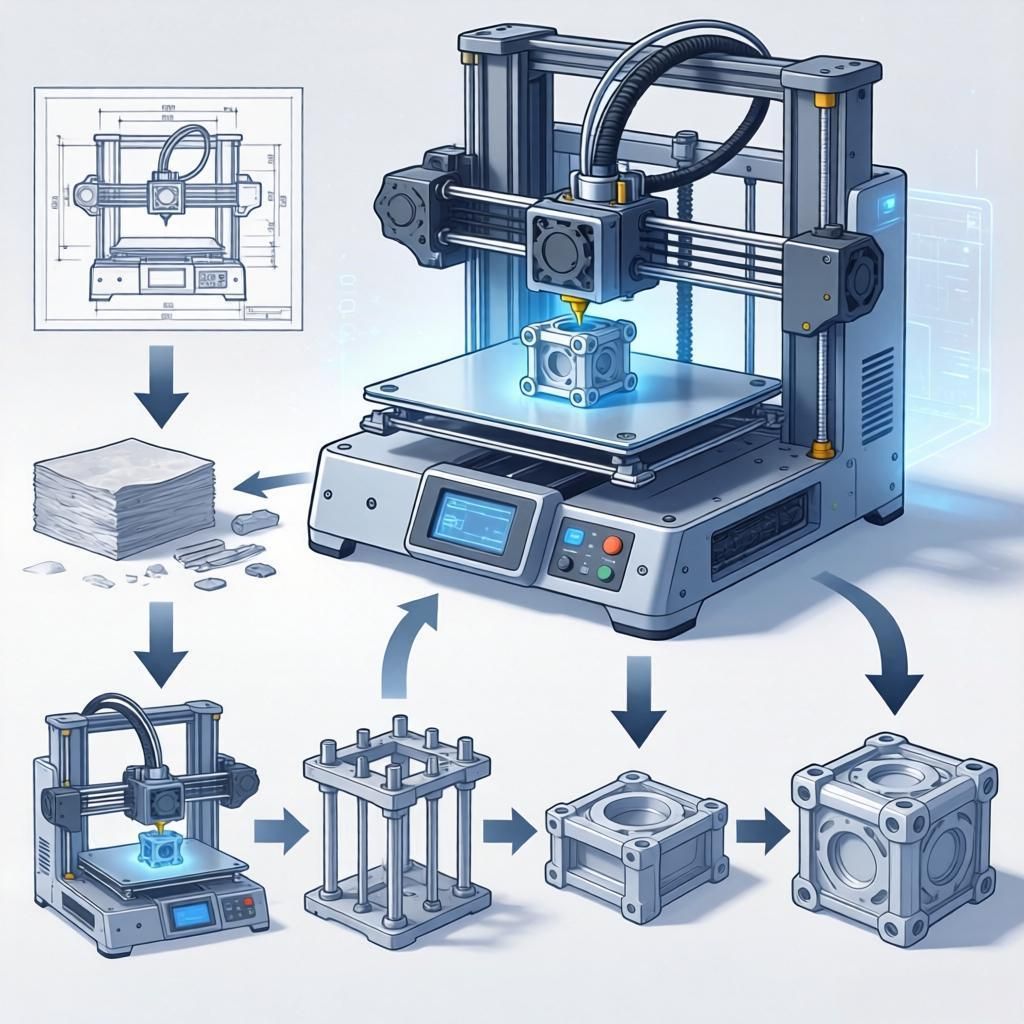
This approach follows the principle of smart automation found in modern manufacturing systems. It targets the pain points of long industrial design cycles, high barriers to entry, and the gap between software and hardware. It achieves quick end-to-end change from creative inspiration to a manufacturable finished product. This change cuts R&D trial-and-error costs in a big way. It gives the manufacturing industry a one-stop digital closed-loop solution. It also supports intelligent manufacturing and industrial upgrading. In the same way, AI monitoring builds a closed-loop feedback system. Machines keep sharing their health status for proactive management.
How Machine Learning Enhances Predictive Maintenance
Machine learning models play a central role in predictive maintenance. They study past performance data together with current sensor readings. These models learn normal operating conditions. They also find deviations that come before mechanical failure. As more data gets processed over time, the algorithms improve their predictions. This leads to better accuracy. The predictive insights from this process help organizations skip unneeded servicing. They also reduce sudden breakdowns. The result is a more efficient maintenance schedule. It lowers costs and lengthens equipment lifespan.
Why Is Reducing Downtime Critical for Modern Operations?
The Hidden Costs of Equipment Downtime
Downtime remains one of the most costly challenges in industrial operations. When production stops because of equipment failure, companies face lost output. They also deal with delayed deliveries and extra labor costs for emergency repairs. Beyond direct financial losses, unplanned outages can hurt customer trust. They can also damage brand reputation. Maintenance teams often work under heavy pressure to get systems running again quickly. This pressure can lead to rushed decisions or incomplete fixes. Those fixes raise the risk of more failures later.
How AI Monitoring Minimizes Operational Interruptions
AI-driven monitoring cuts downtime by changing maintenance from reactive to proactive management. Real-time alerts tell technicians when unusual conditions appear. They can step in before critical breakdowns happen. Automated diagnostics examine sensor data. They find root causes faster than manual inspection methods. Data-driven scheduling also makes sure maintenance happens during the best production windows. It avoids unexpected disruptions to operations. This matches intelligent workflows found in digital manufacturing ecosystems. Automation improves reliability and consistency in those workflows.
In What Ways Does AI Transform Traditional Maintenance Approaches?
From Reactive to Predictive Maintenance Strategies
Traditional maintenance strategies usually depend on fixed intervals. They may also respond only after a failure occurs. In contrast, AI-powered predictive maintenance forecasts problems based on real-time analytics. Predictive models lengthen equipment lifespan. They prevent wear-related damage through early action. Fewer emergency repairs lower costs. They also reduce safety risks tied to sudden equipment malfunctions.
Integrating IoT and Cloud Computing with AI Systems
IoT devices link up with cloud computing. This link builds the core of today's monitoring systems for equipment. Those systems run on AI. Sensors from IoT collect machine data all the time. They track shifts in temperature. They also note vibration rates. This data moves securely to cloud platforms for centralized analysis. Remote monitoring teams can reach dashboards from any location. They can review performance trends or receive automated alerts. This flexible infrastructure allows organizations to manage multiple facilities with ease. They maintain consistent oversight across all assets at the same time.
What Are the Key Benefits of Implementing AI-Based Monitoring Systems?
Enhanced Equipment Reliability and Performance
Continuous monitoring keeps machines running inside safe parameters at all times. Early detection stops cascading failures across linked systems. One malfunction might otherwise set off others. Better reliability leads straight to higher productivity levels. Assets stay operational longer without breaks.
Optimized Resource Allocation and Cost Efficiency
AI monitoring delivers useful insights. These insights help refine maintenance planning and how teams get assigned to tasks. Maintenance work gets scheduled at the right moments rather than on fixed schedules. This change makes better use of both staff time and replacement parts. Energy consumption goes down as well. Machines operate nearer to their ideal efficiency levels. They avoid the need to offset unseen problems.
How Can Businesses Implement AI Monitoring Effectively?
Steps for a Successful Deployment Strategy
Assessing Current Infrastructure Readiness
Organizations must start by checking their existing infrastructure. They look at sensor networks, connectivity solutions, and data storage capacity. This check ensures compatibility with AI monitoring tools.
Selecting Appropriate Data Metrics for Analysis
Choosing which parameters to monitor matters for accurate predictions. Variables like temperature, vibration intensity, pressure levels, or power consumption often give useful signs of mechanical health.
Training Teams to Interpret AI Insights Accurately
Once the system is in place, technical staff should learn how to read dashboard metrics. They should also learn how to respond well to automated alerts from the system.
Overcoming Common Implementation Challenges
Managing Data Quality and Integration Issues
To get reliable results, consistent data collection across different machine types must be ensured through standardized protocols.
Addressing Cybersecurity Concerns in Connected Systems
As connected devices send sensitive operational information over networks, encryption protocols and access control measures must be applied carefully. This protects industrial data integrity.
Momaking’s Contribution to AI-Powered Equipment Monitoring Solutions
Introducing Momaking’s Intelligent Monitoring Products
At Momaking, we bring artificial intelligence into every part of design and manufacturing innovation. Our intelligent monitoring products mix advanced sensor technology with predictive analytics made for industrial applications. One unified AI agent supplies structure analysis, image generation, design assistance, and 3D modeling. All of this happens inside a single conversational workspace. This smooth integration lets users see performance issues through structured engineering blueprints. They can also use real-time analytics for fast decision-making.
Our platform follows our mission. We focus on turning academic research into practical AI-driven solutions. We help enterprises speed up digital transformation and industrial upgrading. Through our cloud-based system architecture, which draws from intelligent design workflows, we connect structural analysis tools with automated fault detection mechanisms. These tools give businesses actionable insights.
How Momaking Helps Businesses Reduce Downtime Efficiently
We built our solutions around efficiency and uptime improvement. Breaking the barriers between design and manufacturing supports every stage from styling to engineering. Our platform automates fault detection processes with predictive algorithms. These methods function similarly to those applied in machine health tracking setups.
Such systems appear throughout automated production plants. Instant alerts help technicians address equipment faults early. This prevents them from becoming big problems. Automated scheduling also lines up maintenance activities with production cycles. This keeps operational interference low while raising asset availability.
By adding our intelligent monitoring technology into existing factory infrastructures, and with support from features like AI-powered instant quotation, Smart Manufacturing Factory, Rapid Prototyping & Flexible Small-Batch Production, we help enterprises reach clear reductions in downtime. They also gain better cost efficiency across their operations.
FAQ
Q: How does AI-driven equipment monitoring differ from traditional preventive maintenance?
A: AI-driven monitoring relies on nonstop real-time data checks that draw from machine learning. The systems forecast breakdowns ahead of time. Preventive maintenance, by contrast, runs on fixed timetables. It pays no attention to the actual state of the machines.
Q: What industries benefit most from implementing AI-based monitoring systems?
A: Manufacturing sectors such as energy production, transportation logistics, and heavy machinery operations gain big advantages. This happens because of complex processes that need constant reliability oversight.
Q: Is it expensive to adopt an AI-driven monitoring solution?
A: Initial setup costs are often tied to system complexity and the size of any rollout. Yet long-term savings come from less downtime. They also come from better resource use, longer equipment life, and higher output. These gains usually cover early spending as time goes on.