AI Industrial Design Trends in 2026
What Defines the New Era of AI-Driven Industrial Design?
The year 2026 marks a key turning point. Artificial intelligence now sits deep inside industrial design work. This mix of AI and design steps changes how experts shape ideas, test versions, and finish goods. Designers lean on smart algorithms to study data, forecast results, and refine both shape and use.
An AI Industrial Design Agent drives your project from the initial concept spark to a fully manufacturable product. The move shows how AI now acts as a creative helper instead of a simple calculation tool. Automation speeds up model building and checks. This lets designers run more rounds of changes while they keep strong quality.
When human ideas join machine accuracy, the new era of AI design brings fresh ideas to many fields. These range from everyday electronics to car engineering.
Key Drivers Behind the Growth of AI Industrial Design
A few tech and social points push the rise of AI industrial design. Stronger computing power and cloud tools now handle big data sets at once. This supports quick forecasts and new idea searches.
One big push comes from green goals. Firms use AI to cut waste and use resources better. They do this through smart material plans and full life checks. Teams from different fields now work together with engineers, designers, and smart systems as normal steps.
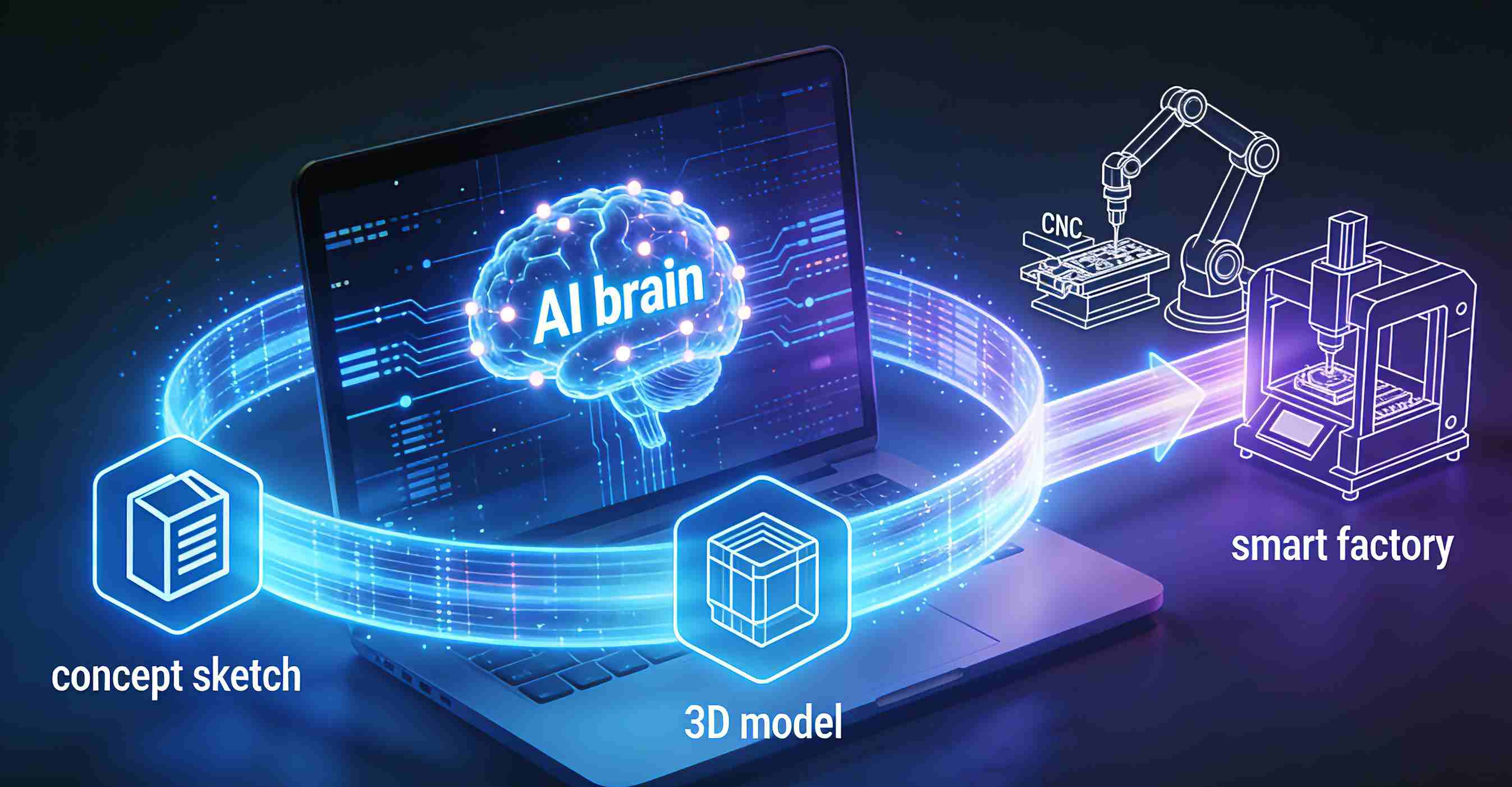
Integrating AI with industrial innovation to empower intelligent manufacturing. This goal shows how AI keeps joining with broad digital shifts across industry.
Intelligent CAD Systems: Smarter Tools for Smarter Designs
How Are Intelligent CAD Platforms Transforming Design Workflows?
Smart CAD systems have moved past fixed modeling tools. They now act as active helpers that guide designers through each step of the idea process. These tools apply machine learning to suggest fixes on their own, spot errors as they happen, and test strength before any real build starts.
One unified AI agent integrates structure analysis, image generation, design assistance, and 3D modeling within a single conversational workspace. The setup lets users move from early ideas to engineering checks without jumping between programs.
Key Features of Intelligent CAD in 2026
Adaptive Learning Capabilities
Current CAD tools pick up patterns from past work to improve later results. They shift their screens based on how each user works. This gives custom shortcuts and early tips that cut down on repeat jobs.
Data Integration and Simulation
Cloud links let many people edit the same model at the same time. Built-in test tools run stress and heat checks right inside the CAD space. This confirms the item can be made before any factory run.
Generative Design: From Concept to Creation with AI Assistance
What Makes Generative Design a Game Changer?
Generative design changes how people create. It lets algorithms build many design choices based on set limits like weight caps, material kinds, or cost goals. Designers can view these choices and pick the best ones using performance facts rather than feeling alone.
AI-generated creative ideas encourage creativity by exploring unconventional solutions beyond human imagination. The mix of machine search and human choice creates designs that blend looks with engineering needs.
Applications of Generative Design Across Industries
Product Optimization and Lightweighting
Generative steps cut material use while they hold strength. This helps fields like plane and car making that focus on lower energy use.
Aesthetic Exploration Through Algorithmic Creativity
AI tools can copy natural growth forms or math shapes to spark new looks in product design. Designers then shape these results with their own sense of style. This reaches a balance between art and building needs.
Automated Product Development: Efficiency Through Intelligence
How Does Automation Accelerate Product Development?
Automation removes slow points by taking care of repetitive jobs like drawing or image making. It also keeps files the same across the whole project. Machine learning models review market shifts to guide feature choices and price plans from the start.
Breaking the barriers between design and manufacturing empowers every stage from styling to engineering. When build data flows straight into design tools, teams move from screen models to factory lines with fewer stops.
Collaborative Workflows Between Humans and Machines
Human-AI Co-Creation Models
Designers work with smart agents that handle build limits. This lets the people focus on the main creative path. Steady feedback keeps both human skill and machine help growing together over time.
Quality Control Through Predictive Analytics
AI quality checks use sensor data during builds to catch flaws early. Forecast upkeep models also stop big recalls by finding odd signs before they turn into real breaks.
Momaking: Innovating the Future of AI Industrial Design Tools
How Does Momaking Empower Designers Through AI?
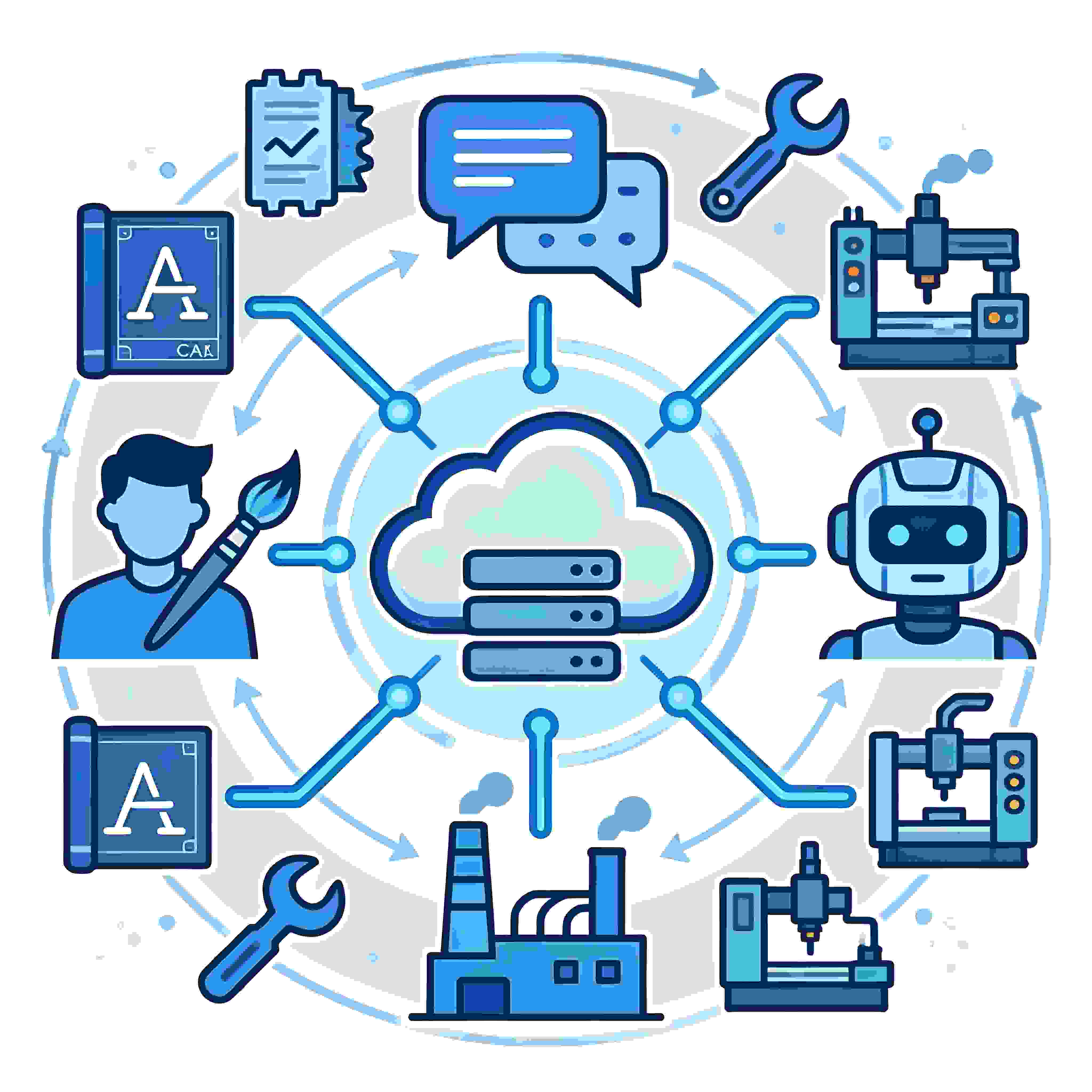
At Momaking, we are redefining what it means to design intelligently. Our smart platform blends new ideas with automation. We use one system for generative modeling, smart CAD tools, strength checks, and auto-build steps.
The entire process, from "one-sentence description" to "generating 3D models" and then to "placing an order and manufacturing," is covered. We built the system to be open so experts can work fast without losing their creative edge.
Core Advantages of Momaking’s Product Lineup
Integrated Generative Algorithms
Our platform’s generative algorithms support quick builds of better designs across fields. This covers consumer electronics to fine hardware and cuts project time by a large amount.
Real-Time Collaboration Features
Teams can build together from far away with live updates on all devices through our cloud space. Beyond just "drawing", our system connects directly with 3D printing and CNC machining for immediate physical realization. This full loop moves from first idea to real item in minutes instead of days.
Future Outlook: Where Is AI Industrial Design Heading Beyond 2026?
Emerging Trends Shaping the Next Decade
The next ten years will make digital twins a main tool for ongoing product updates after launch. Clear rules will guide fair use of creative algorithms as more fields move to self-run steps. Green goals will stay central. Forecast eco models will help pick low-impact materials and lower carbon output across supply lines.
As industrial systems move toward full digital form, platforms like Momaking will help link new ideas with build needs. Platforms achieve this through flexible, smart tools that support extensive innovation networks.
FAQ
Q: What skills will designers need in the age of AI-driven design?
A: Designers need to pair creative thought with tech know-how. They must grasp how algorithms work, run shared digital spaces, and read analysis results with ease.
Q: How is AI changing traditional industrial design practices?
A: AI handles repetitive jobs like drafting or image work. It also gives smart hints that raise speed, accuracy, and chances of new ideas in choices.
Q: Will AI industrial design tools replace human designers entirely?
A: AI will not take the place of human creativity. It will add to it by managing analysis jobs. This frees designers to focus on the main vision and feeling links in their work.